


- Category: News
- Hits: 123
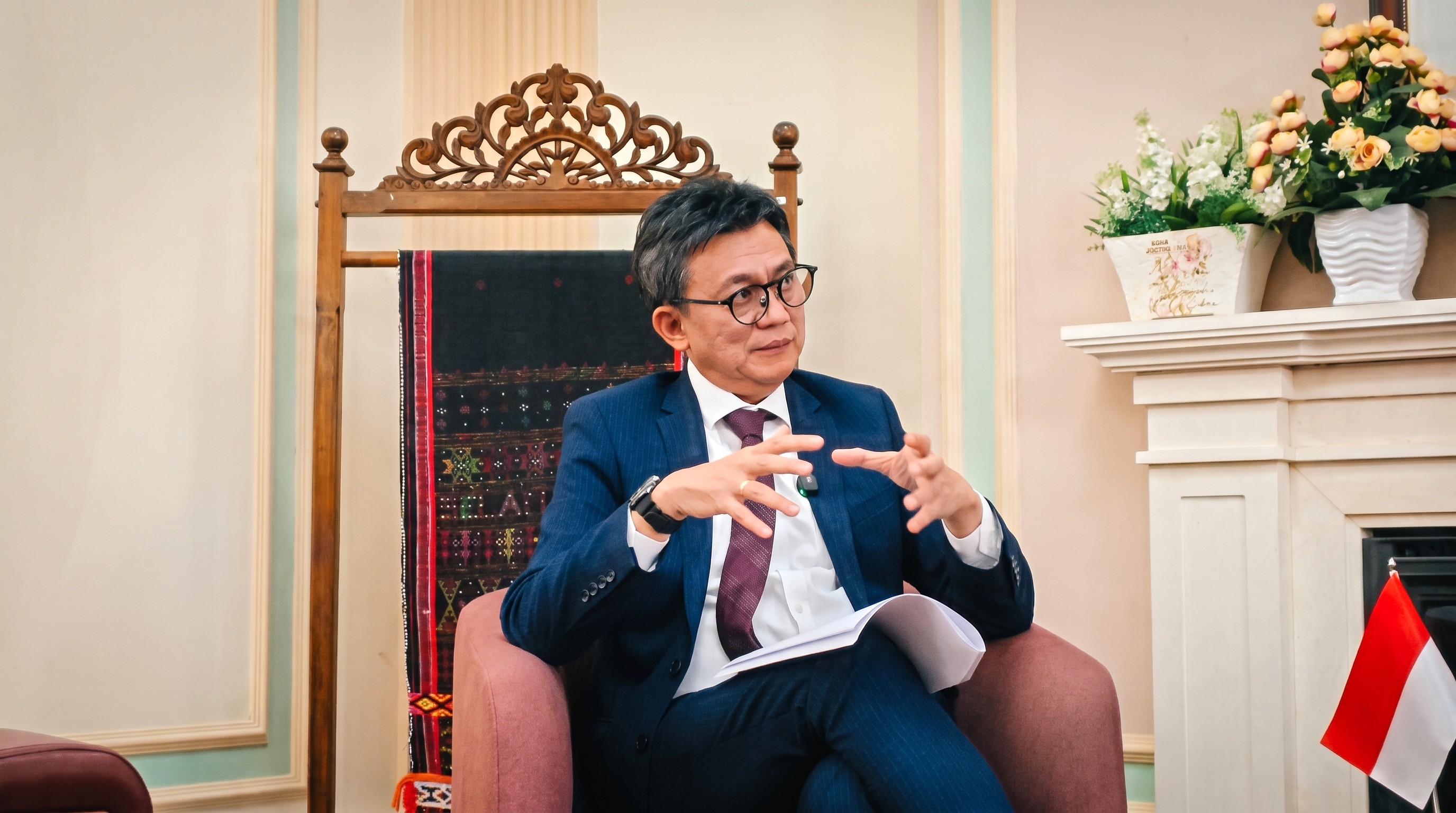
- vezife: Berlian Helmy, Ambassador Extraordinary and Plenipotentiary of the Republic of Indonesia to the Republic of Azerbaijan
- Rubrika: AMBASSADOR
Caspian Energy (CE): Your Excellency, before we discuss the broader scope of Indonesian-Azerbaijani relations, could you kindly share with us your journey into diplomacy? What inspired you to pursue this path, and what experiences have prepared you for your current mission in Azerbaijan?
Berlian Helmy, Ambassador Extraordinary and Plenipotentiary of the Republic of Indonesia to the Republic of Azerbaijan: That is really a great and interesting question. First and foremost, I would like to share with you and all the audience that my journey into diplomacy has been shaped by a strong interest in international affairs, public service, and the belief that diplomacy is ultimately about building understanding between peoples and nations. That's very important. My journey began around 33 years ago. Throughout my professional career, I have had the opportunity to observe how international relations are not only about governments and formal agreements, but also about people-to-people connections, economic partnerships, cultural understanding, and mutual trust.
These experiences convinced me from the very beginning that an ambassador's role is to build bridges—political bridges, economic bridges, and human connections, especially humanity. That's very important.
Diplomacy also requires the ability to listen, you know—to listen, understand different perspectives, and identify common interests, especially between Indonesia and Azerbaijan. I consider these qualities particularly important in representing Indonesia in Azerbaijan as an ambassador.
Azerbaijan is a country that is truly close to my heart, occupying a strategically vital position at the crossroads of Europe, Asia, and the Caspian region. My current mission in Baku, therefore, represents both a professional responsibility and an opportunity to contribute to strengthening the relationship between our two countries, which hold considerable potential for deeper cooperation.
- Category: News
- Hits: 167
- Rubrika: SPOTLIGHT
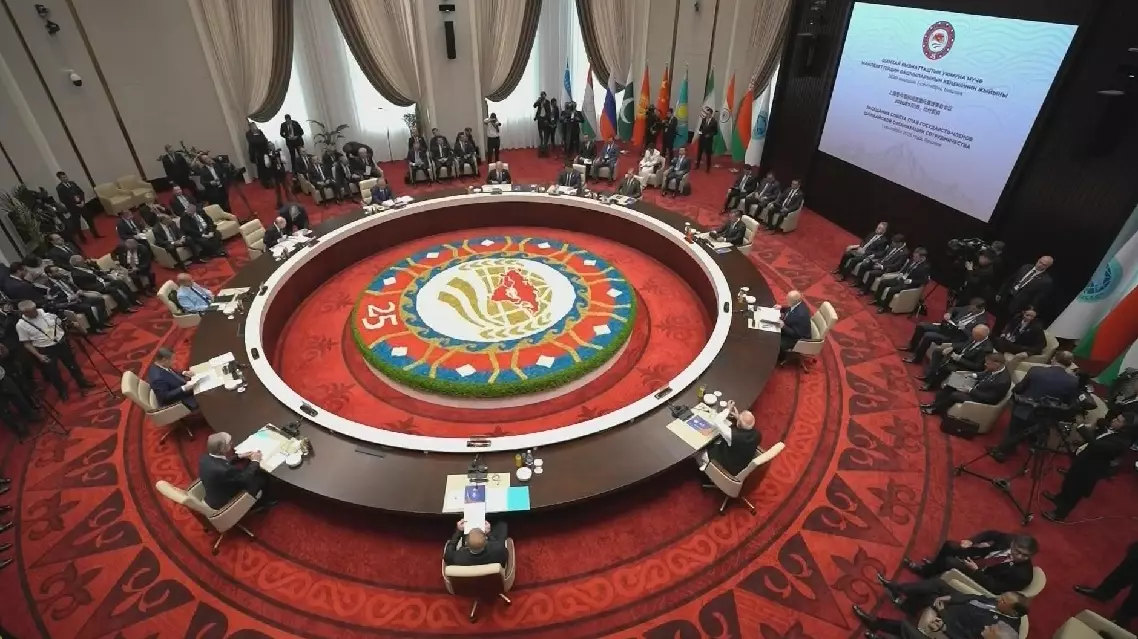
The "SCO Plus" meeting of heads of state and representatives of international organizations has kicked off in Bishkek. Representatives of 18 states and seven international organizations are taking part in it. It is taking place following the meeting of the Council of Heads of State of the Shanghai Cooperation Organization.
In 2025, the SCO summit in Tianjin, China, was attended by leaders of 21 countries and more than 10 international organizations. The main document adopted at the summit in China was the development strategy of the organization for the next 10 years — the period 2026–2035, which defines the priorities for deepening integration. Following the meeting, the heads of state also signed a package of official documents (including the Tianjin Declaration) aimed at strengthening security, trade-economic, and humanitarian partnership. As the chair country of the SCO summit in 2025, Chairman of the PRC Xi Jinping urged the Shanghai Cooperation Organization to set an example in implementing the Global Governance Initiative by adhering to the rejection of bloc thinking and confrontation for the sake of universal benefit.
A year later, today, international and regional security, sustainable development, the strengthening of cooperation, and interaction with other international associations are once again at the center of attention of the SCO leaders. However, the role of the UN in building a fair world order and the contribution of the "SCO Plus" states to the formation of a multipolar world have been placed at the forefront. It was precisely these themes that the host country of today's summit — Kyrgyzstan — outlined during the speech of its President, Sadyr Japarov, at the meeting of the Council of Heads of State of the Shanghai Cooperation Organization on September 1, 2026.
"Our organization must continue to remain free from bloc thinking and confrontation, as well as serve as a platform for strengthening trust and ensuring peace and stability," the head of the republic, Sadyr Japarov, emphasized on September 1, 2026.
Japarov named security as the second priority. He spoke in favor of the prompt launch of the Universal Center for Countering Challenges and Threats to the Security of the SCO Member States. According to him, Kyrgyzstan has also created the necessary conditions to begin the work of the Center for Countering International Organized Crime in Bishkek.
Speaking about the economy, the President of the Kyrgyz Republic noted the need for a practical solution to the issue of establishing the SCO Development Bank. He invited the member states of the organization and business circles to use the opportunities of the "Tamchy" special financial and investment territory for the implementation of joint projects.
He highlighted the construction of the China — Kyrgyzstan — Uzbekistan railway as an important project. The president noted the development of cultural and humanitarian cooperation and a common SCO technological space as another priority.
"It is important to ensure equal access of states to modern technologies so that the digital divide does not become a new dividing line," Sadyr Japarov stated.
Following the meeting, 28 documents were adopted and signed. In conclusion, Japarov handed over the SCO chairmanship to Pakistan.
Following the SCO meeting in 2025, 20 agreements and cooperation documents were signed; the themes of the speeches by the chair countries remained consonant, but relied on current temporal factors. Chairman of the PRC Xi Jinping said: "I look forward to working together with all countries to create a more fair global governance system and advance toward the building of a community with a shared future for mankind." He urged the Shanghai Cooperation Organization to set an example in implementing the Global Governance Initiative by adhering to the rejection of bloc thinking and confrontation for the sake of universal benefit. In the energy sector, according to Xi Jinping: "China will establish three major platforms for cooperation between China and the SCO in the fields of energy, green industry, and the digital economy, as well as three major cooperation centers in the fields of scientific and technological innovation, higher education, and vocational and technical education. We will work with other SCO countries to increase the installed capacity of solar and wind power plants by 10 million kilowatts over the next five years."
2025 was also marked by an improvement in relations between China and India. Xi Jinping stated that China and India should become good-neighborly and benevolent friends and partners who contribute to each other's success. Xi Jinping stated that both countries need to view bilateral relations and manage them from a strategic height and a long-term perspective.
"The joint pas de deux of the dragon and the elephant" must become the right choice for the two countries, he said at the time.
In addition, it can be noted that over the year, China's trade turnover with other member states of the Shanghai Cooperation Organization (SCO) grew significantly: while following the results of 2024 trade turnover reached approximately 524.4 billion US dollars, according to data published by the Ministry of Commerce of China in August 2026, trade between China and other members of the Shanghai Cooperation Organization (SCO) reached 523.5 billion US dollars in 2025, which accounted for approximately 8% of China's total foreign trade volume.
For 30 years of its existence, the Shanghai Cooperation Organization, initially created to address security issues, has turned into a comprehensive regional organization representing almost half of the world's population. At the same time, the main focus of the meetings is the situation with international and regional security, trade interaction, and the energy agenda.
The foundation of the SCO was laid by the leaders of Russia, China, Kazakhstan, Kyrgyzstan, and Tajikistan, who first gathered together in Shanghai in 1996 to sign an agreement on ensuring stability on the border between Russia and China.
Initially, the organization was called the "Shanghai Five", but in 2001, following the accession of Uzbekistan, it was renamed the Shanghai Cooperation Organization. In 2017, India and Pakistan joined the organization, and later Iran as well.
The observer countries in the SCO are Belarus, Mongolia, and Afghanistan; the dialogue partners are Türkiye, Azerbaijan, Egypt, Saudi Arabia, the United Arab Emirates, Bahrain, Qatar, Armenia, Cambodia, Kuwait, Maldives, Myanmar, Nepal, and Sri Lanka.
The main goals of the SCO include strengthening mutual trust among member states, developing cooperation to maintain peace, security, and stability in the region, jointly combating terrorism, developing economic cooperation, and expanding cultural interaction.
- Category: News
- Hits: 167
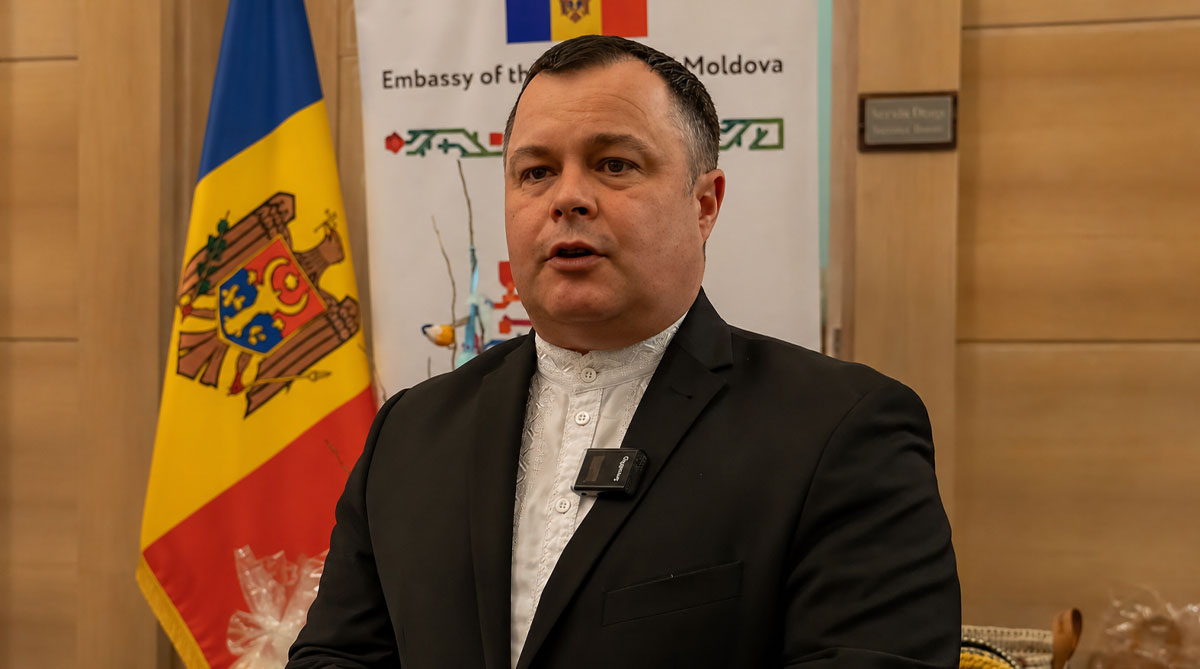
- vezife: Ambassador of Moldova to Azerbaijan Alexandr Esaulenco
- Rubrika: AMBASSADOR
Caspian Energy (CE): Your Excellency, before we discuss the broader scope of Moldovan-Azerbaijani relations, could you kindly share with us your journey into diplomacy? What inspired you to pursue this path, and what experiences have prepared you for your current mission here in Azerbaijan?
Alexandr Esaulenco, Ambassador Extraordinary and Plenipotentiary of the Republic of Moldova to the Republic of Azerbaijan: Thank you very much for this question. For me, diplomacy represents far more than a professional vocation; it is, above all, a profound form of public service and a commitment to advancing the interests of one's country. The privilege of representing the Republic of Moldova abroad carries with it not only great honour but also a significant responsibility. It entails safeguarding and promoting the country's values, identity, cultural heritage, national interests, and aspirations within the international community.
Throughout my professional career, I have remained closely engaged in public service, institutional governance, and the analysis of complex political, social, and regional dynamics. These experiences have reinforced my understanding that diplomacy extends well beyond protocol and formal representation. It is a strategic statecraft instrument that facilitates dialogue, fosters mutual confidence, and creates opportunities for constructive engagement, particularly in challenging or rapidly evolving circumstances.
What has consistently inspired me is diplomacy's unique capacity to build enduring bridges – between states, institutions, business communities, cultures, and, above all, between people. In an increasingly interconnected and complex international environment, effective diplomacy must be proactive, pragmatic, and results-oriented. It must defend national interests, but it must also create space for cooperation, mutual respect and long-term partnership.
My current appointment as Ambassador of the Republic of Moldova to the Republic of Azerbaijan is especially significant in this context. Azerbaijan occupies an important position within the broader regional landscape, distinguished by its strategic geographic location, dynamic economic development, strong national identity, and growing role in regional and international affairs. Serving in this capacity requires not only a comprehensive understanding of geopolitical developments, regional connectivity, energy and transport cooperation, and economic opportunities, but also a deep appreciation of cultural diversity and a genuine commitment to strengthening bilateral relations through dialogue and mutual respect.
I believe that the breadth of my previous professional experience has provided a solid foundation for fulfilling this responsibility with professionalism, integrity, and dedication. At the same time, every diplomatic assignment represents an invaluable opportunity for continuous learning. You learn not only about another country, but also about your own country – about how it is perceived, what it can offer, and how much can be achieved when there is mutual respect and political will.
- Category: News
- Hits: 92
- Rubrika: SPOTLIGHT
Following trading on the London ICE exchange, the price of September Brent crude oil futures was $97.07 (+3.19%), while on the New York Mercantile Exchange NYMEX, August WTI crude oil futures rose to 89.01 (+2.51%).
Oil prices continued their intensive growth today after the US resumed military operations in Iran on Monday, and the latter, in turn, struck neighboring countries; the price of September Brent crude futures rose by 4.14% relative to the previous close. Since Monday, energy prices have risen by almost 8%.According to IEA estimates presented earlier in its monthly report, global oil supply in June grew by 4.1 million barrels per day (bpd) to 98.8 million bpd. The increase is driven by the resumption of shipping in the Strait of Hormuz after the signing of a framework ceasefire agreement between Iran and the US. At the same time, oil refining grew by only 1.5 million bpd to 79.2 million bpd, and was 6 million bpd below the level of June last year. The growth in refining, according to the IEA, occurred partly due to Asian refineries, while export plants in the Middle East have not yet resumed work. Therefore, oil and gas companies are forced to accelerate repair work to return refinery utilization to the target 80–84%, and revise capital expenditure plans. According to GMI data, the global oil refining market exceeds $7.2 trillion and continues to grow steadily, fueled by the developing markets of the Asia-Pacific region. At the same time, China has significantly reduced its oil refining volumes to compensate for the drop in imports due to the conflict with Iran, and refineries across Asia have also been forced to reduce production due to limited access to crude oil.
The total volume of crude oil and petroleum product exports from the US has begun to decline as refineries satisfy growing domestic demand. Weekly exports fell to 10.7 million barrels per day last week, the lowest figure since March, following a record level of 14.2 million barrels per day in April.
Amid falling domestic inventories and peak summer fuel demand, US capabilities to supply the world look increasingly limited. On the other hand, feedstock-starved Asian and Middle Eastern capacities, against the backdrop of high prices, may face either low processing margins (which will reduce investment) or their economies' limited capacity to handle high oil prices. This, coupled with the depletion of inventories in the US and a shortage of petroleum products there, could reduce or balance the demand for primary energy sources and lead to lower projected economic growth indicators, which is only uncritical from the perspective of reducing the carbon footprint and environmentalists, but could limit growth primarily in developing markets and lead to an increase in the regional component of hydrocarbon trade and further diversification of the energy market.
At the same time, gas prices are also rising following oil and testing maximum thresholds. The cost of August natural gas futures at the ICE hub (TTF) in the Netherlands exceeded $756 per 1,000 cubic meters (or about €63 per MWh) amid geopolitical tensions. On the NYMEX exchange, natural gas exchange prices (CFD) are trading near $2.96 per 1 MMBtu (million British thermal units). $105.9 thousand per cubic meter, the price difference compared to the European markets is due to differences in pricing.
- Category: News
- Hits: 189
- Rubrika: OIL&GAS
- flashnews_priority: 2
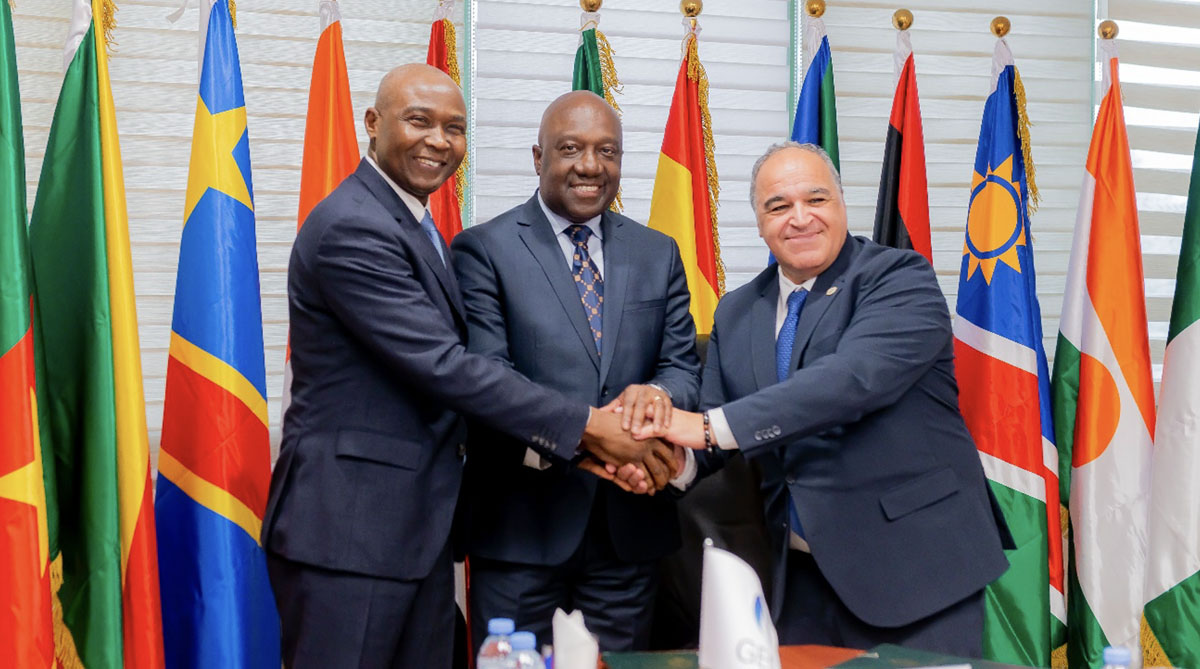
20 July 2026, Brazzaville, The Republic of the Congo - H.E. Dr. Philip Mshelbila, the Secretary General of the Gas Exporting Countries Forum (GECF) and H.E. Eng. Farid Ghezali, the Secretary General of the African Petroleum Producers’ Organization (APPO) signed a Memorandum of Understanding (MoU) aimed at strengthening the institutional framework for the GECF–APPO energy dialogue and cooperation between the two sister organizations.
Since its establishment in 1987, the African Petroleum Producers Organization (APPO) has served as Africa's principal intergovernmental platform and institutional home for fostering cooperation among Africa’s petroleum producing countries. Today, APPO stands as a distinguished African energy organization, held in high esteem by the GECF for its important contribution to advancing regional cooperation and promoting the collective interests of Africa's petroleum producing countries.
The signing ceremony took place at the headquarters of the APPO Secretariat in Brazzaville under the auspices of H.E. Mr. Stev Simplice Onanga, Minister of Hydrocarbons of the Republic of the Congo, whose presence underscored the Republic of the Congo's keen efforts in advancing regional and international energy cooperation. The Republic of the Congo occupies a distinguished place in Africa's energy landscape as one of the continent's leading petroleum producing countries and the host of the APPO Secretariat.
The MoU establishes a comprehensive framework for cooperation in areas of mutual interest, that includes market analysis, natural gas promotion, sustainability, research, capacity building, technical cooperation, the organization of joint seminars and expert meetings.
In his remarks, the Minister of Hydrocarbons of the Republic of Congo, H.E. Stev Simplice Onanga welcomed the signing of the Memorandum and commended both organizations for reinforcing cooperation between global and African energy producers. He reaffirmed the Republic of the Congo's commitment to strengthening international partnerships that contribute to sustainable energy development, investment and energy security.
During the ceremony, the Secretary General of the GECF emphasized the importance of close collaboration between international energy organizations. He noted that natural gas will continue to play a critical role in enhancing energy security, expanding access to affordable and reliable energy, supporting an orderly, balanced and just energy transition. The Secretary General of APPO praised the leading role played by GECF as a platform for dialogue between the world’s leading gas producers. He described the MoU as an important milestone in strengthening the longstanding relationship between the APPO and the GECF.
- Category: News
- Hits: 180
- Rubrika: OIL&GAS
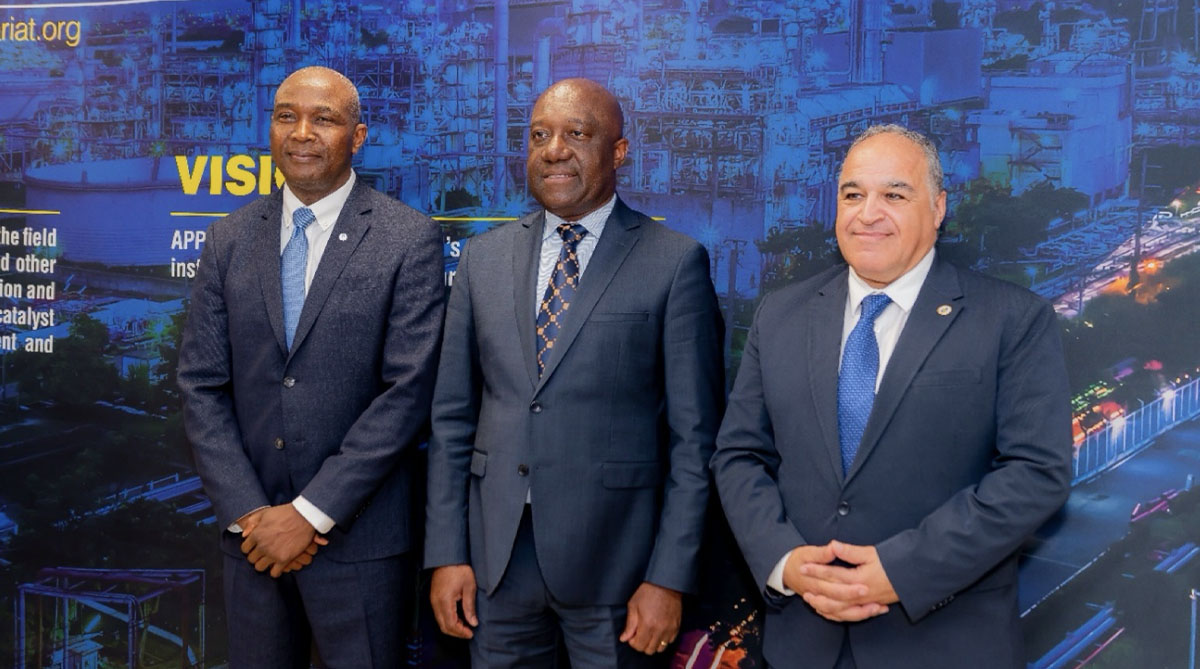
20 July 2026, Brazzaville, the Republic of the Congo – H.E. Dr. Philip Mshelbila, Secretary General of the Gas Exporting Countries Forum (GECF), concluded an official visit to Brazzaville, where he held high-level meetings aimed at strengthening the Forum's cooperation with the Republic of the Congo and advancing energy collaboration.
A central highlight of the visit was the Secretary General's meeting with H.E. Mr. Stev Simplice Onanga, Minister of Hydrocarbons of the Republic of the Congo and H.E. Eng. Farid Ghezali, Secretary General of the African Petroleum Producers' Organization (APPO).
The meeting focused on strengthening cooperation between the GECF and the Republic of the Congo as the country continues to develop its natural gas industry and expand its role in the global LNG market. During the discussions, H.E. Dr. Philip Mshelbila presented the GECF's mandate, strategic priorities and ongoing initiatives, reaffirming the Forum's commitment to supporting its Member Countries and promoting natural gas as an essential component of the global energy mix.
H.E. Steve Simplice Onanga, Minister of Hydrocarbons of the Republic of the Congo, welcomed the Secretary General's initiative and expressed his keen interest in strengthening cooperation between the Republic of the Congo and the GECF. Both sides agreed to remain in close contact and continue consultations with a view to advancing their common objective.
- Category: News
- Hits: 142
- vezife: Kirsti Narinen, Ambassador Extraordinary and Plenipotentiary of the Republic of Finland to the Republic of Azerbaijan
- Rubrika: AMBASSADOR
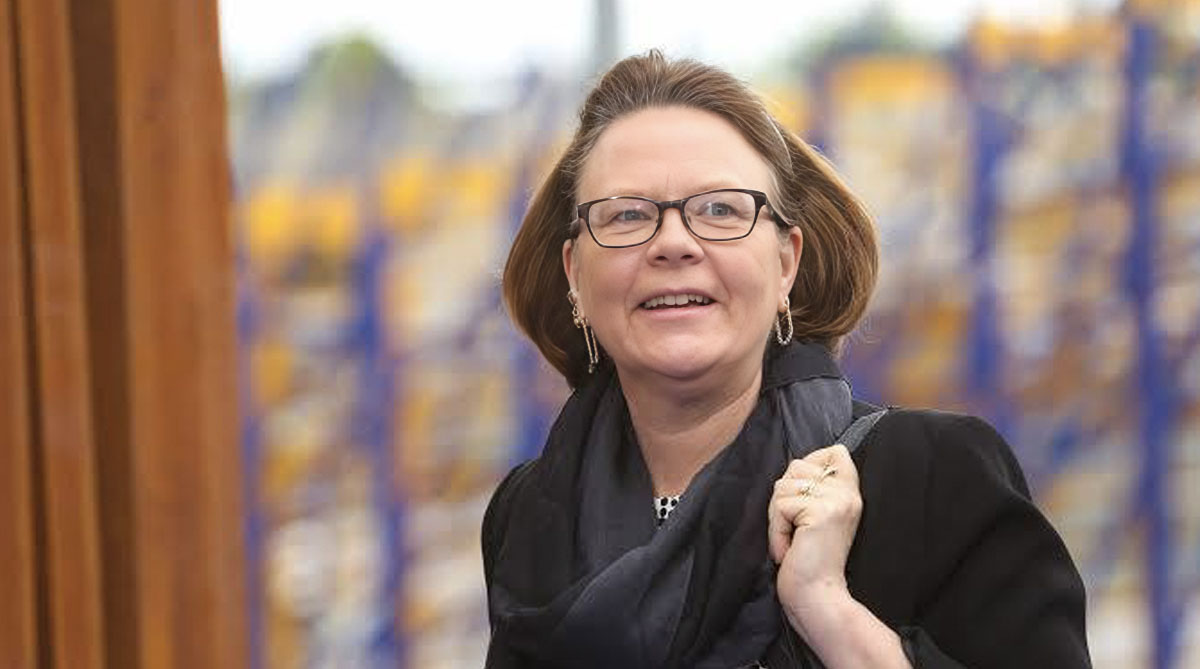
Caspian Energy (CE): Your Excellency, before we turn to the matters of Finnish-Azerbaijani relations, could you kindly share with us your journey into diplomacy? What inspired you to pursue this path, and what experiences have prepared you for your current mission here in Azerbaijan?
Kirsti Narinen, Ambassador Extraordinary and Plenipotentiary of the Republic of Finland to the Republic of Azerbaijan: My “diplomatic,” or rather international, path started at the age of 16, when I began my 11th grade/International Baccalaureate at Lester B. Pearson United World College in Canada—an international school with 200 students from 60 countries. Currently, there are also Azerbaijani students who have studied in these international colleges. That opened my young mind to learning about different cultures and also taught me proper English. Then, when studying at the Faculty of Law at university, I applied for an apprentice position at the MFA, got the job in June 1984 and never left—so June 1st this year 42 years of diplomacy were completed. The most interesting and inspiring years, albeit partly a bit hard for the family.
My career has been multifaceted. A large portion of it in Russia and the Baltics, plus my own Finnish experience, has guided meto understand how important it is to maintain sovereignty and protect national interests under the shadow of an imperialistic, unpredictable neighbor. Luckily, Finland has many good neighbors as well, rooted in our Nordic-European identity.
- Category: News
- Hits: 223
- vezife: Juan Carlos Salazar Álvarez, Chargé D’affaires of Chile in Azerbaijan
- Rubrika: AMBASSADOR
-
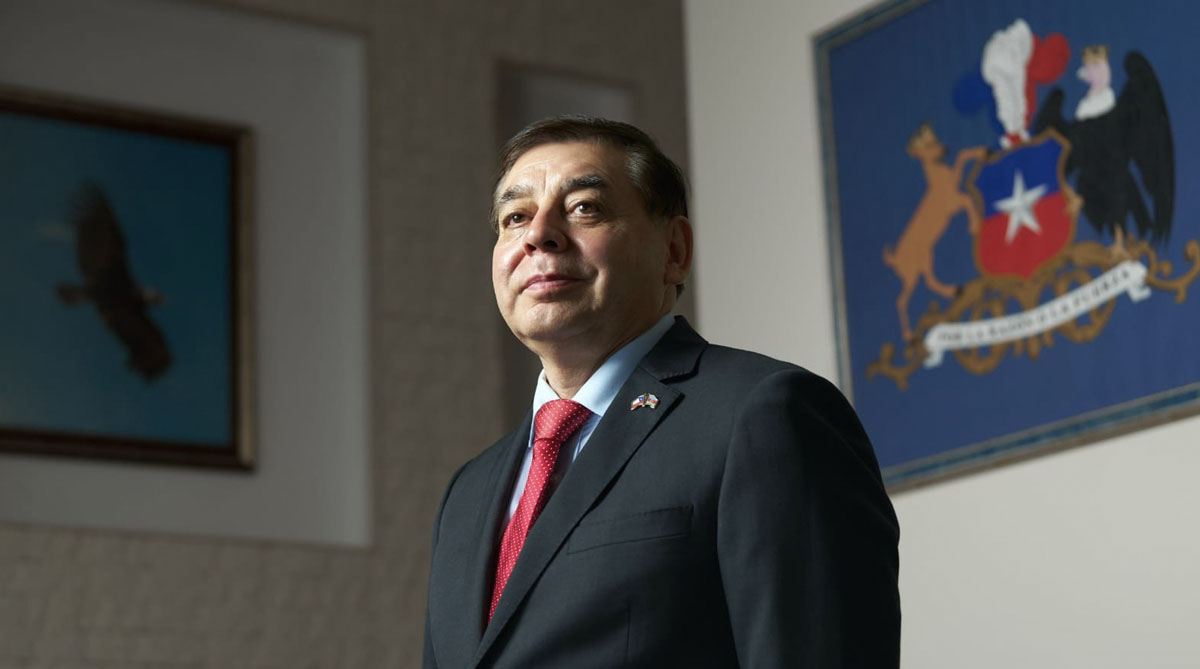
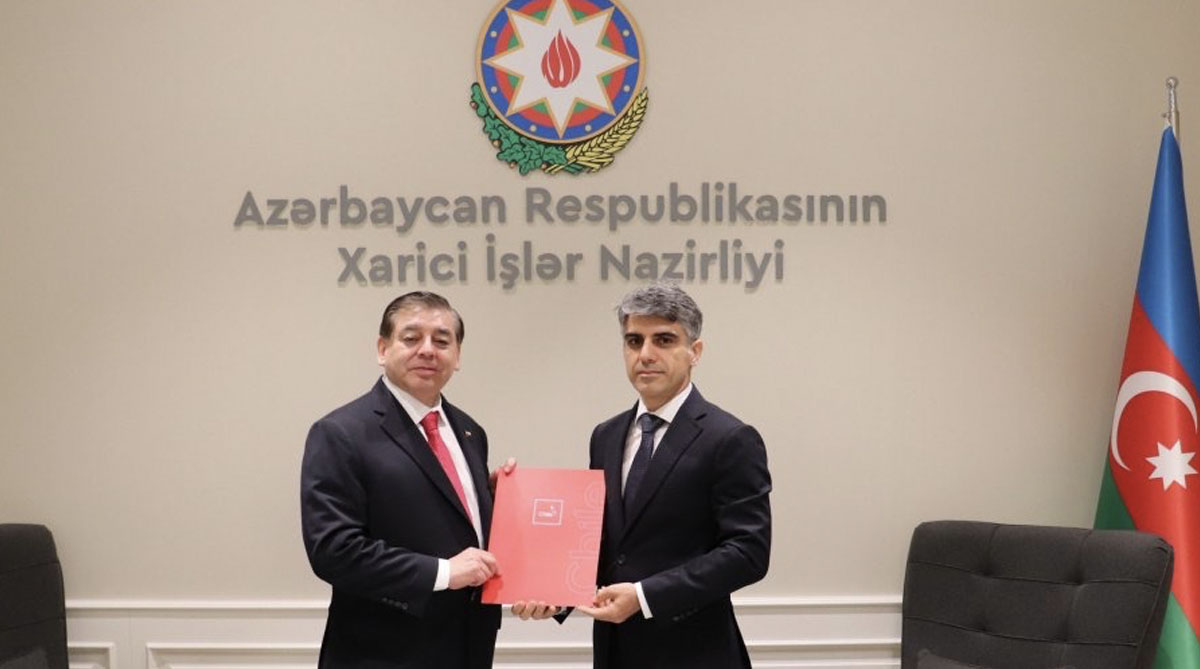
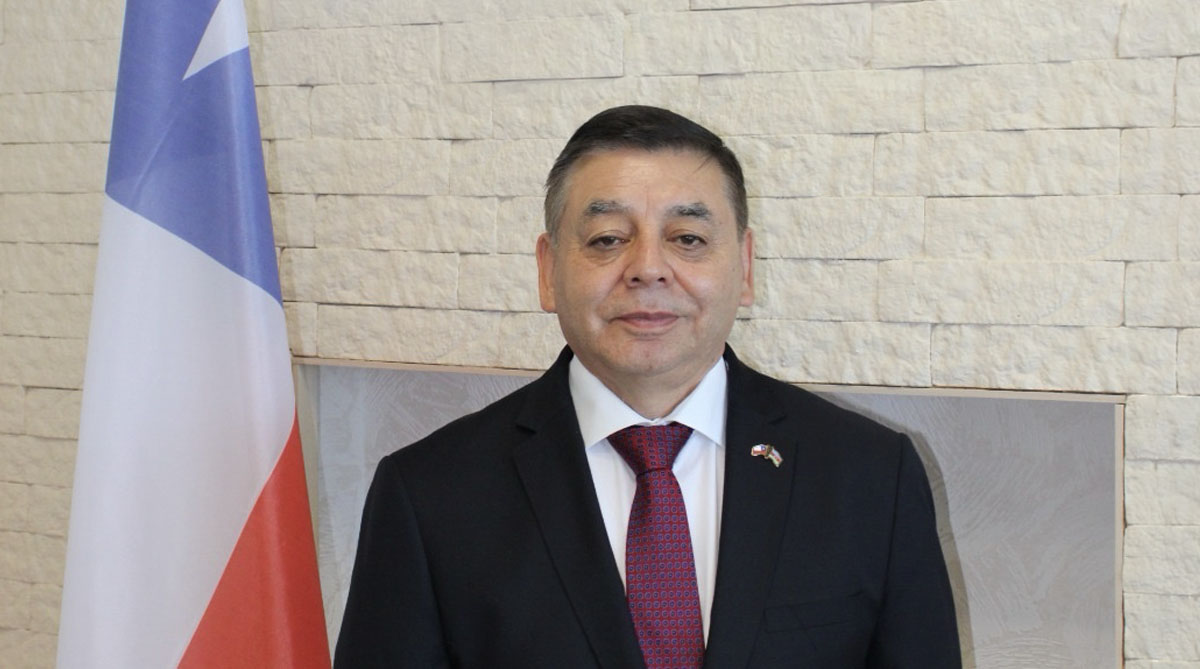
Caspian Energy (CE): Mr. Chargé d’Affaires, before we discuss the broader scope of Chilean-Azerbaijani relations, could you kindly share with us your journey into diplomacy? What inspired you to pursue this path, and what experiences have prepared you for your current mission here in Azerbaijan?
Juan Carlos Salazar Álvarez, Chargé D’affaires of Chile in Azerbaijan: My interest in international relations appeared when I was a student, and took part in a study trip that included a visit to the UN in New York. Later, after graduating from university, I pursued further studies in international relations. In 1990, I entered an open competitive examination to join the Chilean Foreign Service and was successfully selected. I completed two years of intensivestudy and training at the Chilean Diplomatic Academy, graduating in 1991, at which point my career began. I have served, in chronological order, as a diplomat or consul in Austria, Costa Rica, Panama, Sweden, Ecuador, and Sao Paulo, Brazil; at present, I am serving in Azerbaijan. My learning process combined very well my role of representing Chile and learning from different cultures and extraordinary people in all the countries I have lived. Throughout my career, I have specialized in international security, countering transnational organized crime, implementing international conventions against corruption, outer space affairs, police cooperation, regional integration organizations, and international financing for regional multilateral infrastructure projects.
- Category: News
- Hits: 201
- vezife: Ambassador María Victoria Romero Caballero
- Rubrika: AMBASSADOR
-
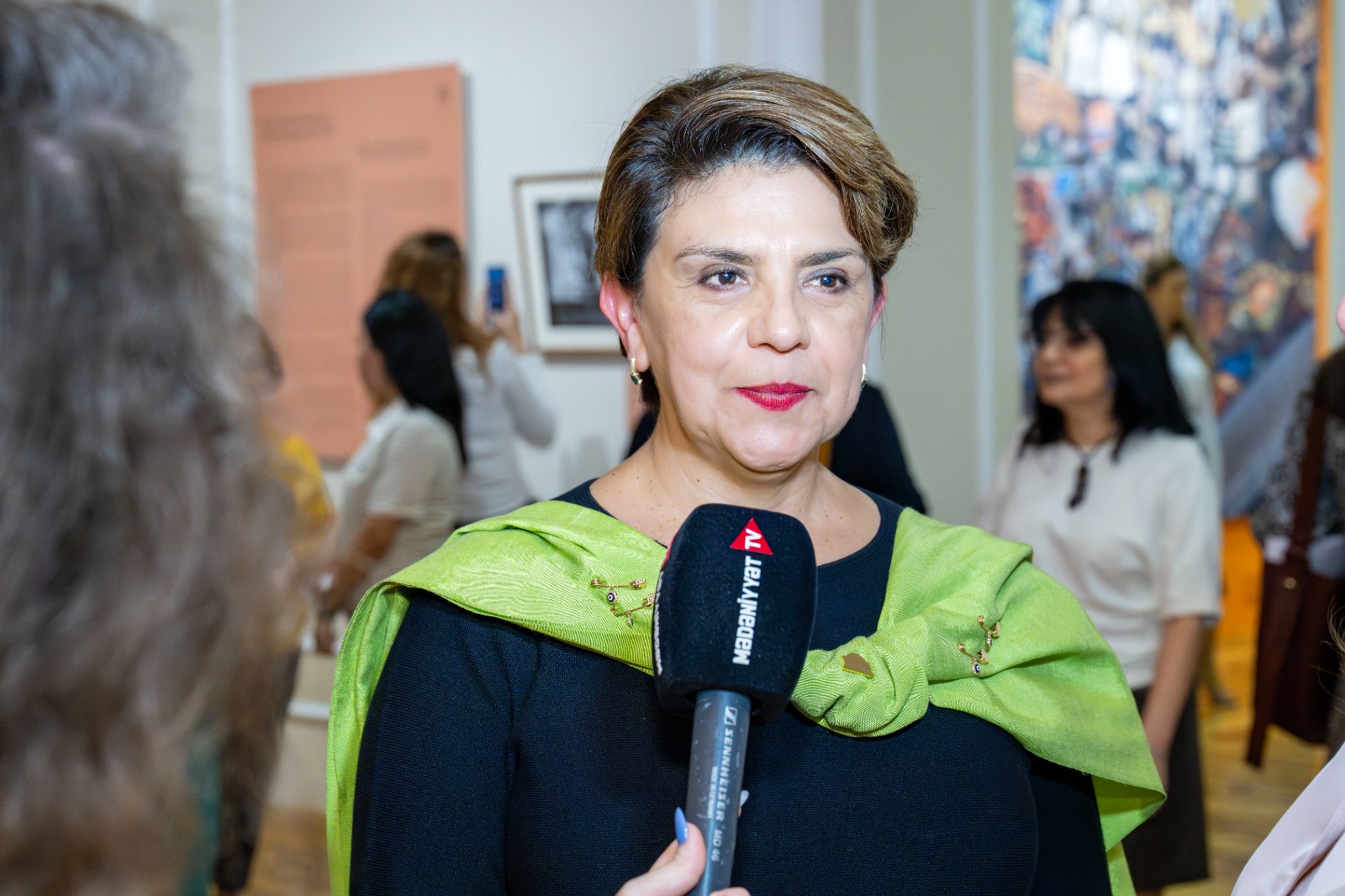


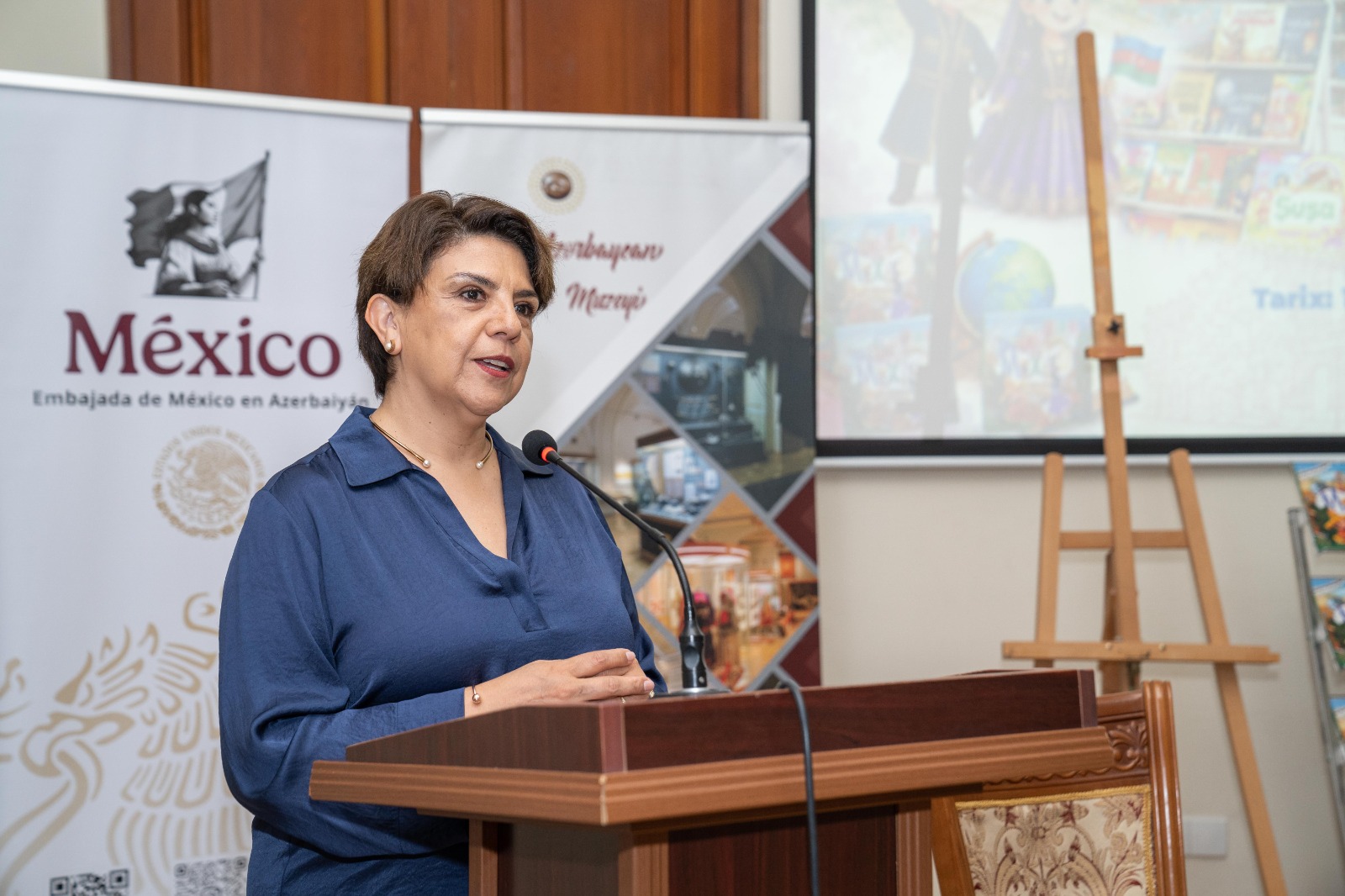
Caspian Energy (CE): Madam Ambassador, during your time in Baku, what has made the greatest impression on you—whether in daily life, culture, history, or gastronomy? What aspects of Azerbaijan do you find particularly interesting or resonant with Mexican traditions, and what do you usually tell your colleagues and friends back in Mexico about our country?
María Victoria Romero Caballero, Ambassador Extraordinary and Plenipotentiary of Mexico to the Republic of Azerbaijan: I have been particularly fascinated by Azerbaijan’s cultural diversity, its ancient traditions, and the hospitality of its people. Whether in Baku or in the regions, I have always found warmth and generosity - values that resonate deeply with Mexican culture. Family ties, respect for traditions, and the importance of sharing with loved ones are elements that our two societies have very much in common.
I have also greatly enjoyed discovering Azerbaijan through its cuisine. The use of fresh ingredients, and recipes that have been passed down through generations reflects a deep connection between food, family, and cultural heritage. In this regard, Azerbaijan and Mexico share a similar appreciation for culinary traditions as an essential part of national identity.
When I speak with colleagues and friends in Mexico, I often tell them that Azerbaijan is a country of remarkable beauty, rich culture, and extraordinary hospitality. I also emphasize that while our countries are geographically distant, Mexicans and Azerbaijanis share many values, including a strong sense of family, resilience, pride in their heritage, and a genuine openness toward others. These commonalities provide an excellent foundation for strengthening the friendship and cooperation between our two nations.
- Category: News
- Hits: 522
- vezife: Natalya Susel, Editor-in-Chief of Caspian Energy Journal
- Rubrika: SPOTLIGHT
ACG
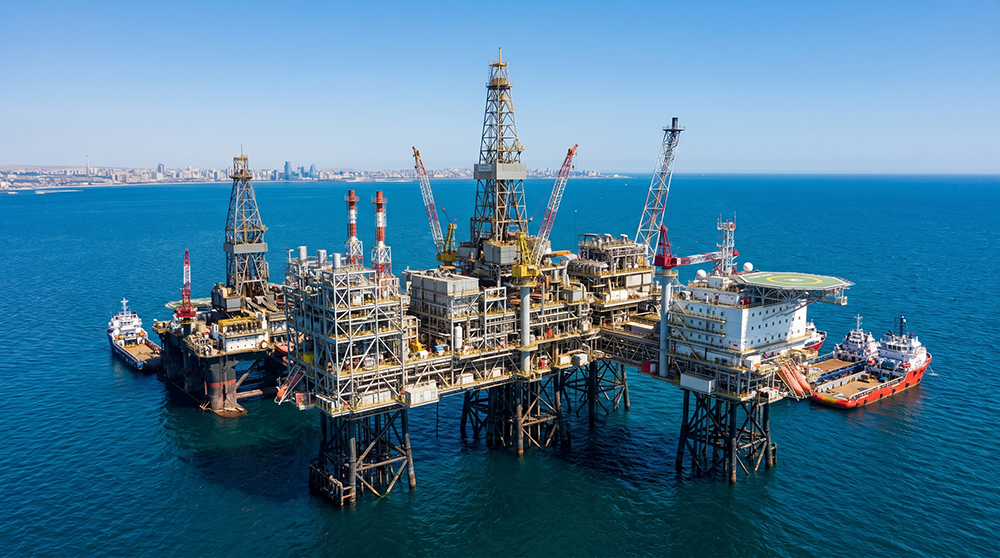
Gas reserves at the "Gunashli" field alone can be estimated in the range of 4–6 trillion cubic feet (113–168 billion cubic meters), while a precise assessment for the "Azeri" section has not yet been conducted and the process is in its initial stage, bp's Executive Vice President for Production and Operations, Gordon Birrell, told reporters on the sidelines of Baku Energy Week. Gordon Birrell emphasized that this new gas potential is of key importance for the further development of the ACG block.
According to him, the Azeri-Chirag-Gunashli (ACG) block of fields is one of the largest oil fields in the world, and more than 4 billion barrels of oil have been produced here since it went into operation.
"Gas reserves are concentrated in two main parts of the block—the 'Gunashli' and 'Azeri' sections—and uncertainty regarding the exact volumes of resources still remains in both directions. The main purpose of drilling the first production well is to collect dynamic subsurface data and reduce this uncertainty," he reported.
Despite the lack of refined data from the exploration results, bp—the operator of the Azeri-Chirag-Gunashli project—announced this week on behalf of the ACG joint venture partners (SOCAR, MOL, INPEX, ExxonMobil, TPAO, and ONGC Videsh) the start of non-associated gas (NAG) production from the ACG field in the Azerbaijani sector of the Caspian Sea.
The first NAG well, drilled from the existing West Chirag platform, provides critical reservoir and gas inflow data in addition to ensuring early production, which allows for evaluating the resource base and making decisions on the future full-scale development of the gas field. NAG production activities at the ACG field are being carried out on the first production well, which was drilled last year into the Pereryv suite, as well as the Upper Kirmaky and Lower Kirmaky suites.
The development of ACG is being conducted in accordance with the amendments made on September 20, 2024, to the existing Production Sharing Agreement (PSA) for the ACG fields. This addendum is valid until the end of the existing ACG PSA term in 2049. Over the next 23 years, subject to exploration and appraisal of the NAG fields, there is potential for investing billions of dollars into the full-scale development of NAG resources within the ACG field.
The participation shares of the ACG partners in the NAG project are the same as in the existing ACG PSA: bp as operator (30.37%), SOCAR (35.3%), MOL (9.57%), INPEX (9.31%), ExxonMobil (6.79%), TPAO (5.73%), and ONGC Videsh (2.92%).
ABSHERON PROJECT
The "Absheron" project involves drilling new wells, constructing a 140-kilometer subsea pipeline, and implementing solutions for multiphase transportation of gas and condensate, the Head of the TotalEnergies Representation in Azerbaijan, Emmanuel de Guillebon, stated during a panel discussion held as part of Baku Energy Week.
According to him, within the second phase of the Absheron field development, it is planned to drill three new wells with an expected production of about 40,000 barrels of oil equivalent per day from each well, with approximately 30% accounted for by condensate and 70% by gas. He reported that the project will involve building a subsea pipeline about 140 km long, which will provide a direct connection from the wells to onshore facilities without using production platforms. He noted that the initial production level for the project will be around 120,000 barrels of oil equivalent per day, taking into account the existing early development phase of the field.
During Baku Energy Week, held in Baku from June 1 to 3, an agreement was also signed for the long-term supply of gas from the Absheron field to Türkiye. The document was signed between SOCAR, TotalEnergies, XRG, and BOTAŞ during a meeting in Baku. In particular, the parties reviewed the progress of work on the full-scale development project of the Absheron gas condensate field.
Notably, the Absheron field is located on the Caspian Sea shelf, approximately 100 km southeast of Baku and 25 km northeast of the Shah Deniz field. The area of the structure is about 270 square kilometers, and its gas reserves are estimated at 350–400 billion cubic meters of recoverable reserves.
Production at Absheron began in July 2023 as part of the early development stage under the operatorship of JOCAP, utilizing a single deepwater well.
SOCAR, TotalEnergies, and XRG have agreed on the concept for the second phase of the field development, which envisages subsea production followed by transportation to shore. The wells will be drilled at a water depth of about 500 meters, and their total length will exceed 7,000 meters, making them some of the deepest in the Caspian Sea.
At its peak, the second phase of development can provide production of up to 12.7 million cubic meters of gas per day (about 4.5 billion cubic meters per year) and 37,000 barrels of condensate per day. The start of production is expected in late 2028 or early 2029.
KARABAKH PROJECT
Dan Sparks, bp's Vice President for Exploration for Azerbaijan, Georgia, and Türkiye, said during a panel discussion held as part of Baku Energy Week that the implementation of projects in the Caspian basin not only ensures production and infrastructure development but also shapes long-term technological and industrial capabilities, including the development of fabrication yards and human capital.
D. Sparks noted that the "Karabakh" project involves creating the world's second complex for the production of subsea bundles in the Caspian region. He explained that such modules allow for the integration of multiple pipeline lines and communications into a single unit, which can be transported and installed without the need for specialized pipelay vessels.
"The development of technological capabilities in the region continues, including the application of new seismic methods that have become a significant factor for the industry in the Caspian basin," he said.
In particular, he mentioned obtaining new seismic data for the Shah Deniz field and conducting its processing, noting that even after 30 years of operations, the study of the field continues using new data processing technologies.
bp's Regional President for Azerbaijan, Georgia, and Türkiye, Gio Cristofoli, noted during Baku Energy Week that "engineering work is currently underway, and a final investment decision is expected by the middle of next year. We aim to develop 'Karabakh' as a satellite field. This will allow us to utilize existing infrastructure in the Caspian region to develop new fields, marking an important milestone," Cristofoli stated.
Notably, the Karabakh contract area is located 120 km east of Baku, at water depths of 150–200 meters, near the Azeri-Chirag-Gunashli and Ashrafi-Dan Ulduzu-Aypara contract areas.
According to data from the Ministry of Energy of Azerbaijan, the initially estimated geological reserves of the field exceed 60 million tons of oil.
Recently, bp completed an Ocean Bottom Node (OBN) subsea seismic survey at the Karabakh field. The work started in December 2025 and was completed in mid-March 2026.
Caspian Projects
SOCAR is considering options to accelerate exploration work in Azerbaijan, Arzu Javadova, Vice President of SOCAR, stated during a panel discussion held as part of Baku Energy Week.
According to her, projects undergo selection based on specific criteria, considering which ones can be implemented independently and which require involving partners to share risks and costs. She also emphasized that the company has strengthened its work on forming a team of specialists in geosciences and underground research, introducing new tools, and data analysis.
"Within the framework of the current strategy, exploration work is being conducted in three main directions: onshore, in the waters of the Middle Caspian, and in the South Caspian. At the same time, promising zones are identified onshore, including Shamakhi-Gobustan, Yevlakh-Aghjabadi, and others," she said.
The Vice President of the company emphasized that in the offshore part of the Caspian, deeper horizons are being considered, including the pre-productive series, and a number of projects are already at the drill-ready stage.
Perhaps the single project that earned special attention from the audience of Baku Energy Week due to its unparalleled multiplier effect on all spheres of life, as well as the economy of Azerbaijan and regional countries, is the long-running project—Azeri-Chirag-Gunashli (ACG). Implemented since September 20, 1994, the ACG project has turned into a strategic oil and gas infrastructure project, Babek Huseynov, Vice President of SOCAR, stated at a panel discussion on the second day of Baku Energy Week.
Despite the fact that the main challenges facing the upstream sector (production and development) of the oil and gas industry are changing, the relevance of ACG is driven by the discovery of new gas reserves and global market conditions.
"Previously, the main source of oil and gas production was the discovery of new fields, the development of new regions, and the implementation of large, especially offshore projects; today, the key issue is not just new discoveries. The main task is to extract more value from existing fields, effectively utilize available infrastructure, and accelerate these processes," the expert noted.
Babek Huseynov emphasized that even a mere 1 percent increase in the recovery factor at operating fields can make a significant contribution to meeting energy demand for many years. In this context, the Vice President of SOCAR cited the Azeri-Chirag-Gunashli (ACG) project and an important phase related to the production of non-associated gas from ACG as examples.
"Over the past 30 years, ACG has been known as one of the largest oil fields in the world. However, today we view this project not merely as an oil field. ACG is now a strategic energy infrastructure project with both oil and gas potential. Significant volumes of resources lie beneath the project's reservoir, and the development programs implemented in partnership with bp inspire us tremendously," he added.
Babek Huseynov stated that in the development of the Absheron gas condensate field, which occupies an important place in Azerbaijan's energy sector, key priorities include achieving first gas production faster, increasing the ultimate recovery factor, simplifying project solutions, and maintaining capital discipline.
"It is important that these projects are economically efficient both for our partners and for Azerbaijan. Therefore, they must be implemented on the basis of simplicity, speed, and financial discipline," he noted.
The SOCAR representative also stated that the development of the Karabakh field demonstrates a different model of development. According to him, the project is being implemented using the capabilities of existing infrastructure, an approach known as the "infrastructure-led development" model.
"The Karabakh project utilizes flexible subsea tie-back solutions. Integration into existing infrastructure reduces project execution timelines and allows for a faster start to production. This infrastructure is one of the most valuable assets of Azerbaijan's energy sector," Babek Huseynov emphasized.
American company ExxonMobil is exploring opportunities to develop hydrocarbon resources using unconventional methods in Azerbaijan and is assessing prospects for applying technologies in the country that previously allowed the United States to become a global leader in oil and gas production, John Ardill, Vice President of Global Exploration at ExxonMobil, stated at the "Exploration and Production — New Horizons" session during the Baku Energy Forum. He recalled that thanks to the introduction of horizontal drilling and hydraulic fracturing technologies, the United States has been able to significantly increase hydrocarbon production over the past two decades and become the largest producer of oil and gas in the world.
According to the ExxonMobil representative, "when bringing these technologies to international markets, we consider three key factors: a suitable geological structure, commercial attractiveness, and a solid partnership model," Ardill emphasized.
Thanks to modern technologies, the recovery factor at oil fields can exceed 50%, and at gas fields—70%. The Vice President emphasized that the process that began in the US in the 1980s–1990s with the development of horizontal drilling and hydraulic fracturing technologies subsequently spread to other basins as well. ExxonMobil assumed a strategic position in this direction about 20 years ago and has since been gradually increasing investments in this field.
John Ardill emphasized that production in the Permian Basin currently stands at about 1.6 million barrels per day, and there are plans to bring this figure to 1.8 million barrels in the near future. "This experience shows that with the acceleration of technological development, the timelines for occurring changes are also shortening. If previously such a transformation took 20 years, it can now happen in 5–10 years," he noted.
The company representative also pointed out that deepwater projects are another example of this trend, and regions such as Guyana are setting new records, outperforming Angola. He added that increasing the recovery factor can significantly extend the lifespan of fields and influences company strategies at an international level.
Baku-Tbilisi-Ceyhan (BTC) Pipeline
The Baku-Tbilisi-Ceyhan (BTC) pipeline will be handed over to the management of SOCAR, bp's Regional President for Azerbaijan, Georgia, and Türkiye, Gio Cristofoli, told reporters at the Baku Energy Forum.
According to him, the deadline for fulfilling the contractual obligation for this process is set for July 1, and the company is fully adhering to this schedule. He emphasized that this is not about bp exiting the asset, but rather about fulfilling contractual commitments.
"In order for SOCAR to act as the operator, extensive preparatory work was carried out. The company possesses the necessary experience and capabilities for effective pipeline management," he noted. According to him, short-term fluctuations in oil prices do not affect the company's investment decisions.
Back in December 2025, bp stated that discussions were being held with relevant authorities for the timely planning of necessary measures to transfer operatorship of the Baku-Supsa and Baku-Tbilisi-Ceyhan pipelines.
Notably, the Baku-Tbilisi-Ceyhan (BTC) oil pipeline transports oil from the Azeri-Chirag-Gunashli (ACG) field and condensate from the Shah Deniz field through the territories of Azerbaijan, Georgia, and Türkiye. It connects the Sangachal terminal on the shores of the Caspian Sea with the Ceyhan marine terminal on the Turkish Mediterranean. In addition, the transportation of oil from Turkmenistan and Kazakhstan continues through this pipeline. The pipeline, commissioned in June 2006, was built by the Baku-Tbilisi-Ceyhan Pipeline Company (BTC Co.), operated by bp.
The shareholders of BTC Co. are: bp (30.10%), SOCAR (32.97%), MOL (8.90%), TPAO (6.53%), Eni (5.00%), TotalEnergies (5.00%), ITOCHU (3.40%), ONGC Videsh (3.10%), ExxonMobil (2.50%), and INPEX (2.50%).
RENEWABLE ENERGY
Azerbaijan and the United States have concluded a framework agreement on the extraction and supply of rare earth metals. The document was signed by Mikayil Jabbarov, Minister of Economy of Azerbaijan, and Caleb Orr, US Assistant Secretary of State for Economic Affairs. The document was signed within the framework of Baku Energy Week. A similar agreement was previously concluded between Armenia and the United States during a visit to Yerevan by US Secretary of State Marco Rubio.
Within the framework of Baku Energy Week, the President of SOCAR, Rovshan Najaf, met with the Vice President of ExxonMobil Corporation, John Ardill. During the meeting, the successful development of long-term partnership relations between SOCAR and ExxonMobil Corporation in the energy sector was noted.
A meeting took place between delegations led by Baba Rzayev, Chairman of the Board of OJSC "Azenerji"; Nabi Aytzhanov, Chairman of the Board of JSC "Kazakhstan Electricity Grid Operating Company" (KEGOC); and Feruz Kurbanov, Deputy Chairman of the Board of JSC "National Electric Grids of Uzbekistan." During the meeting, an exchange of views took place on the current state and prospects for the development of energy cooperation between Azerbaijan, Kazakhstan, and Uzbekistan.
At the same time, during the meeting, where issues concerning the implementation of new technologies and the integration of renewable energy sources into the power grid were discussed, an exchange of experience was conducted regarding the recently launched Battery Energy Storage Systems (BESS) in Azerbaijan, which feature a capacity of 250 MW and a storage capacity of 500 MWh.
- Category: News
- Hits: 209
On Monday, June 15, Brent oil became cheaper by 5% to $82.8 per barrel, gold became more expensive by 2.8%, to $4,357.8 per ounce, Wall Street is growing — the S&P 500 futures gained 1.2%. Global markets are assessing the flow of news from the Middle East. The US and Iran announced the achievement of a temporary agreement, which is intended to end the 100-day war and open the Strait of Hormuz. Global markets demonstrated a classic reaction to the removal of the geopolitical premium. Similar dynamics were shown by Asian markets: the Japanese Nikkei-225 index approached a historical maximum.
On Tuesday, June 16, the geopolitical factor remained the same, but the trend of declining prices persisted, prices continued adjustment, Brent costs $81.39, retreating by approximately 2% from yesterday's prices. A similar situation is with WTI Crude, which costs $78.7 bar. Thus, the role of the geopolitical factor is not the main one today in forming the main trends of the market.
Crude oil production of OPEC+ fell in May of this year to 28.428 and today to a record low level in the entire history of observations, the production of OPEC declined, amounting to only 16.13 million barrels per day. According to the publication, this is the lowest indicator since 2000. On the contrary, thanks to the leadership of President Trump, oil and gas production in the US reached record high levels. In 2025, crude oil production in the US reached a historical maximum of 13.6 million barrels per day — and it is expected that this trend will continue in 2026.
Global oil production volume (along with other liquid hydrocarbons) in 2025 amounted to approximately 102.5 million barrels per day. At the same time, the share of OPEC+ countries reached almost 56% of global volumes. Global oil production volume in 2026, according to forecasts of leading analytical agencies, is at the level from 99 to 104.7 million barrels per day, the share of OPEC+ countries in global oil production constitutes now about 35–40%.
"Markets have been waiting for this news for several months, and relief is already being felt," Bloomberg quotes Josh Gilbert, leading analyst at eToro for APAC and the Middle East. However, he continues, speaking about full confidence in the stability of peace is premature: "Investors' nerves will not calm down until the agreement is signed."
The fact of the matter is that the peace agreement between the US and Iran so far exists only in words: the parties will publish the official text only after the signing on June 19 in Switzerland. In addition, the interpretation of the arrangements by Washington and Tehran differs cardinally. If Trump speaks of a "Great Deal that brings peace," the Iranian media declare a "US capitulation" and emphasize that control over the strait will allegedly be retained by Iran and Oman.
As for the restoration of transit through the Strait of Hormuz, here the markets have so far taken a wait-and-see position. Dozens of tankers are idling in the region, hundreds of ships are waiting for the opportunity to leave the Persian Gulf. As Haris Khurshid, chief investment officer at Karobaar Capital emphasizes, "physical flows can be launched quickly, but trust does not return that quickly." In practice, according to Oversea-Chinese Banking Corp., the return of oil and gas volumes to pre-war levels may take up to three months: shipowners and insurers are in no hurry to return without guarantees of safety and transparency of conditions.
Oil prices are declining sharply on Monday on information about the achievement by the authorities of the US and Iran of arrangements that will allow ending hostilities in the Middle East and restoring the movement of ships through the Strait of Hormuz.
Representatives of the two countries will sign a memorandum of understanding on June 19 in Switzerland, reported the Prime Minister of Pakistan Shehbaz Sharif. Pakistan acts as a mediator in the negotiations between Washington and Tehran.
The memorandum is aimed primarily at the cessation of hostilities. The sharpest issues, such as the fate of the Iranian nuclear program, the parties will discuss at later stages. According to the Deputy Minister of Foreign Affairs of Iran Kazem Gharibabadi, 60 days after the signing ceremony are allocated for this.
By 14:30 Moscow time, August futures for Brent were becoming cheaper on the London ICE Futures exchange by $4.39 (5.03%) to $82.94 per barrel.
July futures for WTI by this time were becoming cheaper on the NYMEX exchange by $4.56 (5.37%), to $80.32 per barrel.
Earlier during the trading, the price of Brent dropped to $82.52 per barrel, WTI — to $79.73 per barrel. Prices are at minimums since March 10.
- Category: News
- Hits: 266
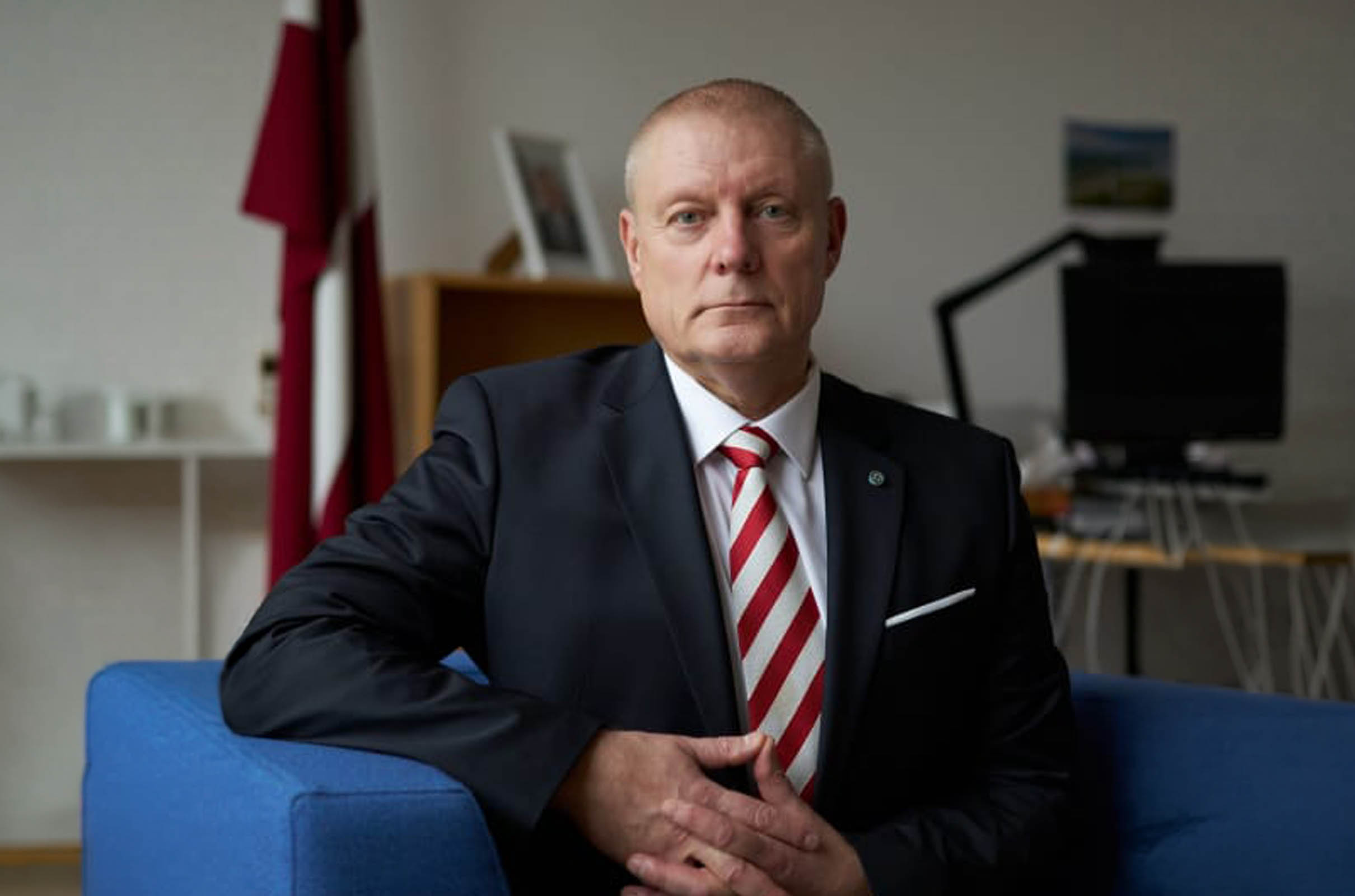
- vezife: Edgars Skuja, Ambassador Extraordinary and Plenipotentiary of the Republic of Latvia to the Republic of Azerbaijan
- Rubrika: AMBASSADOR
- flashnews_priority: 2
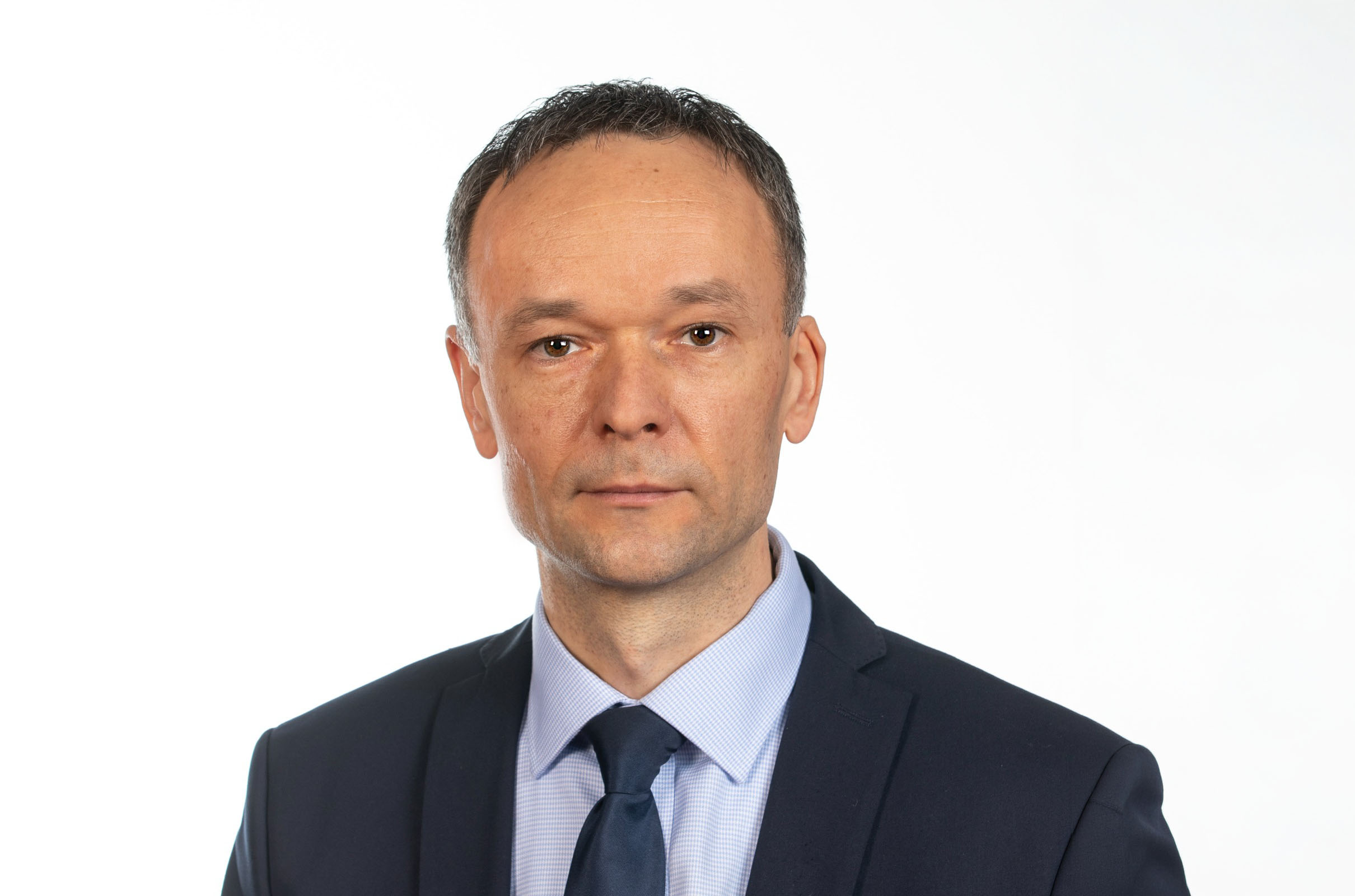
Caspian Energy (CE): Your Excellency, before we turn to the matters of Latvian-Azerbaijani relations, could you kindly share with us your journey into diplomacy? What inspired you to pursue this path, and what experiences have prepared you for your current mission here in Azerbaijan?
Edgars Skuja, Ambassador Extraordinary and Plenipotentiary of the Republic of Latvia to the Republic of Azerbaijan: First of all, I would like to thank you for the opportunity to share the information about Latvia and Azerbaijan.
When you ask about my appointment, I should say that there was a period in my career when I worked at the Ministry of Foreign Affairs of the Republic of Latvia, and I was responsible for the Latvian-Azerbaijani bilateral relations. I had a wonderful opportunity to visit Azerbaijan and participate in several high-level meetings as part of the delegations. I really enjoyed visiting Azerbaijan, so when I was asked about my view on my nomination as Ambassador to your country, I was delighted and agreed immediately.
In general, I started my career at the Foreign Ministry in 1993, and this is my sixth appointment as Ambassador. I arrived in Baku directly from Brussels in September 2023, having completed my diplomatic mission to NATO.
- Category: News
- Hits: 405
- vezife: Kęstutis Vaškelevičius, Ambassador Extraordinary and Plenipotentiary of the Republic of Lithuania to the Azerbaijan Republic
- Rubrika: AMBASSADOR
- flashnews_priority: 2
-
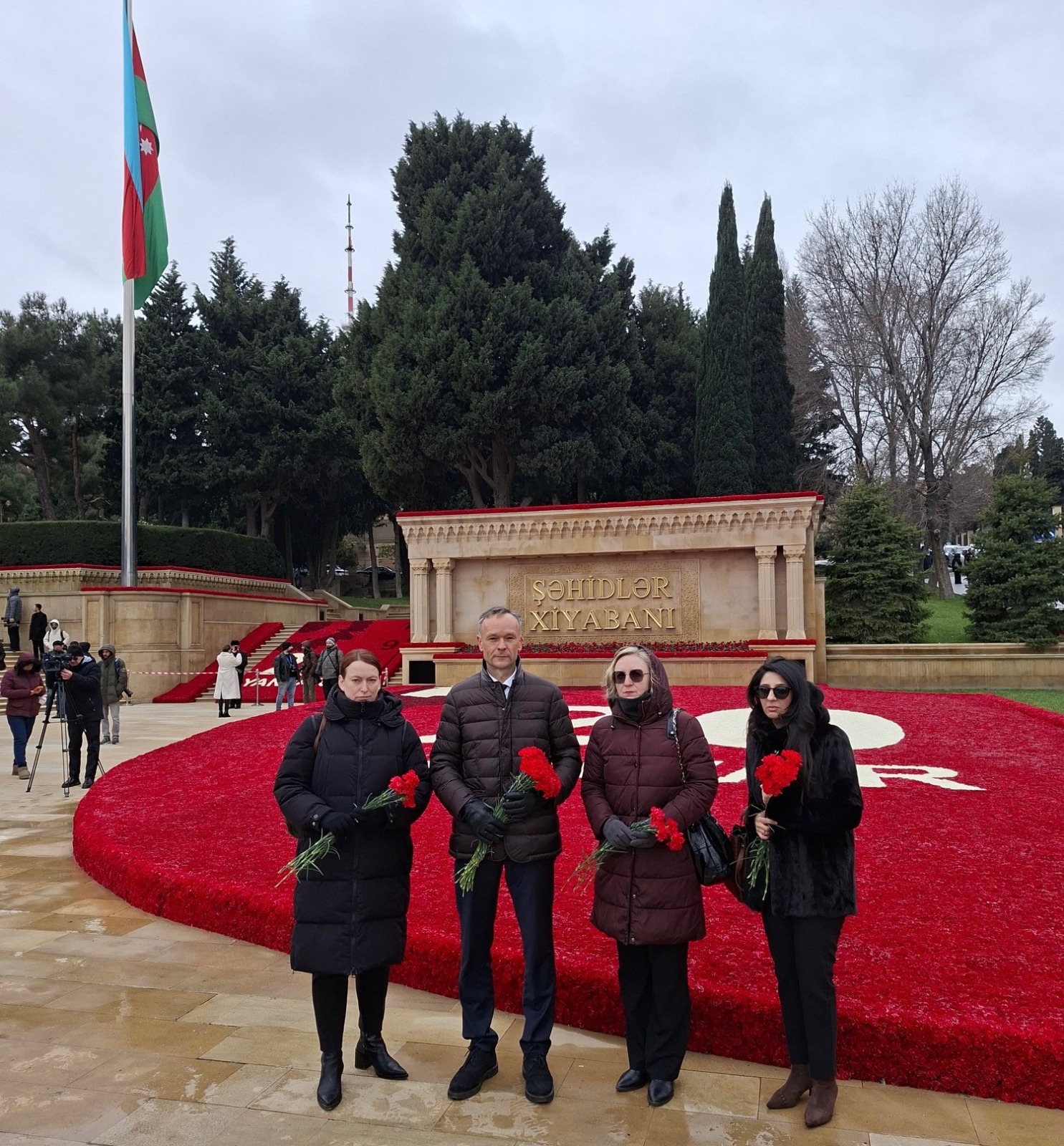

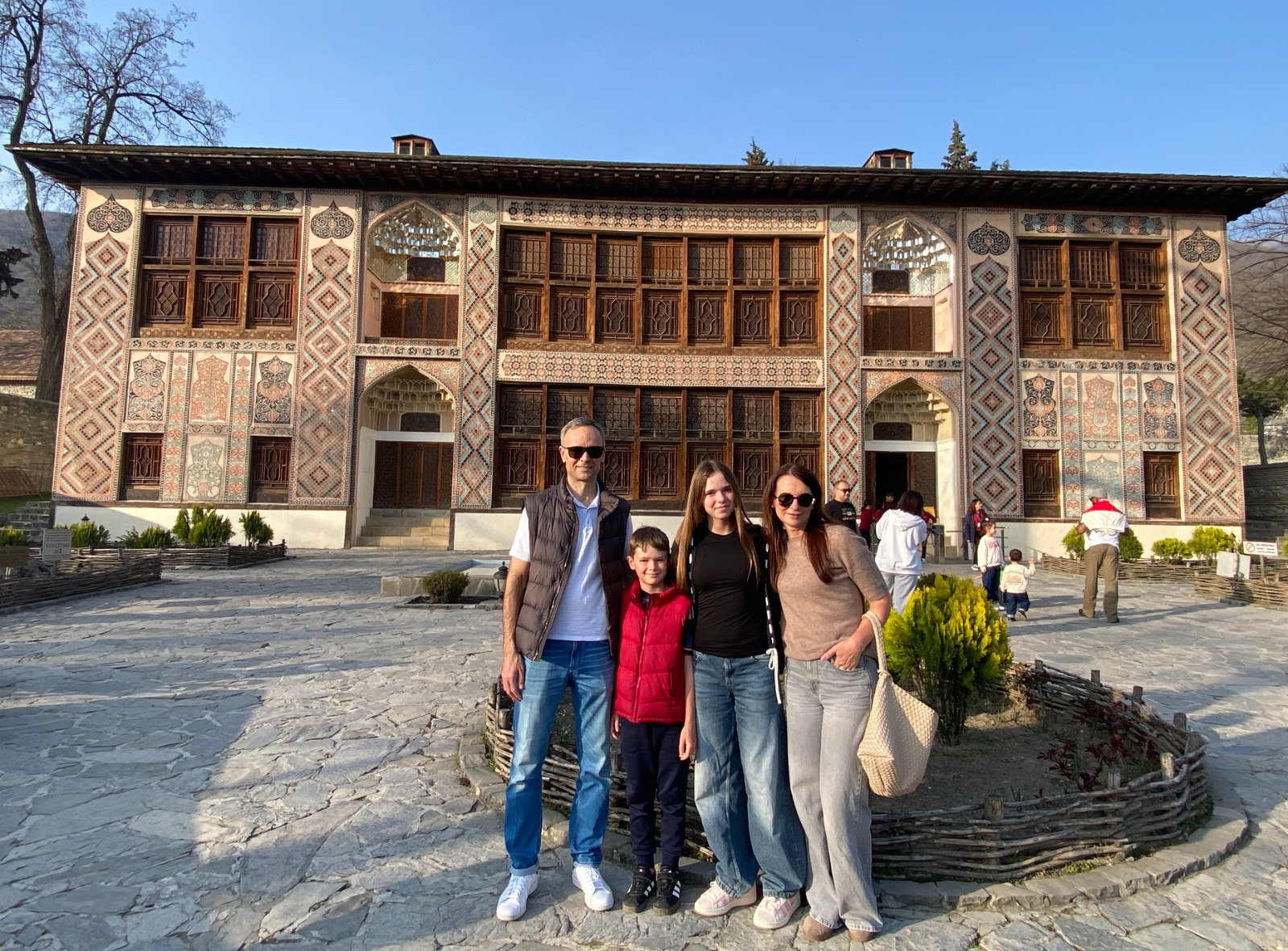
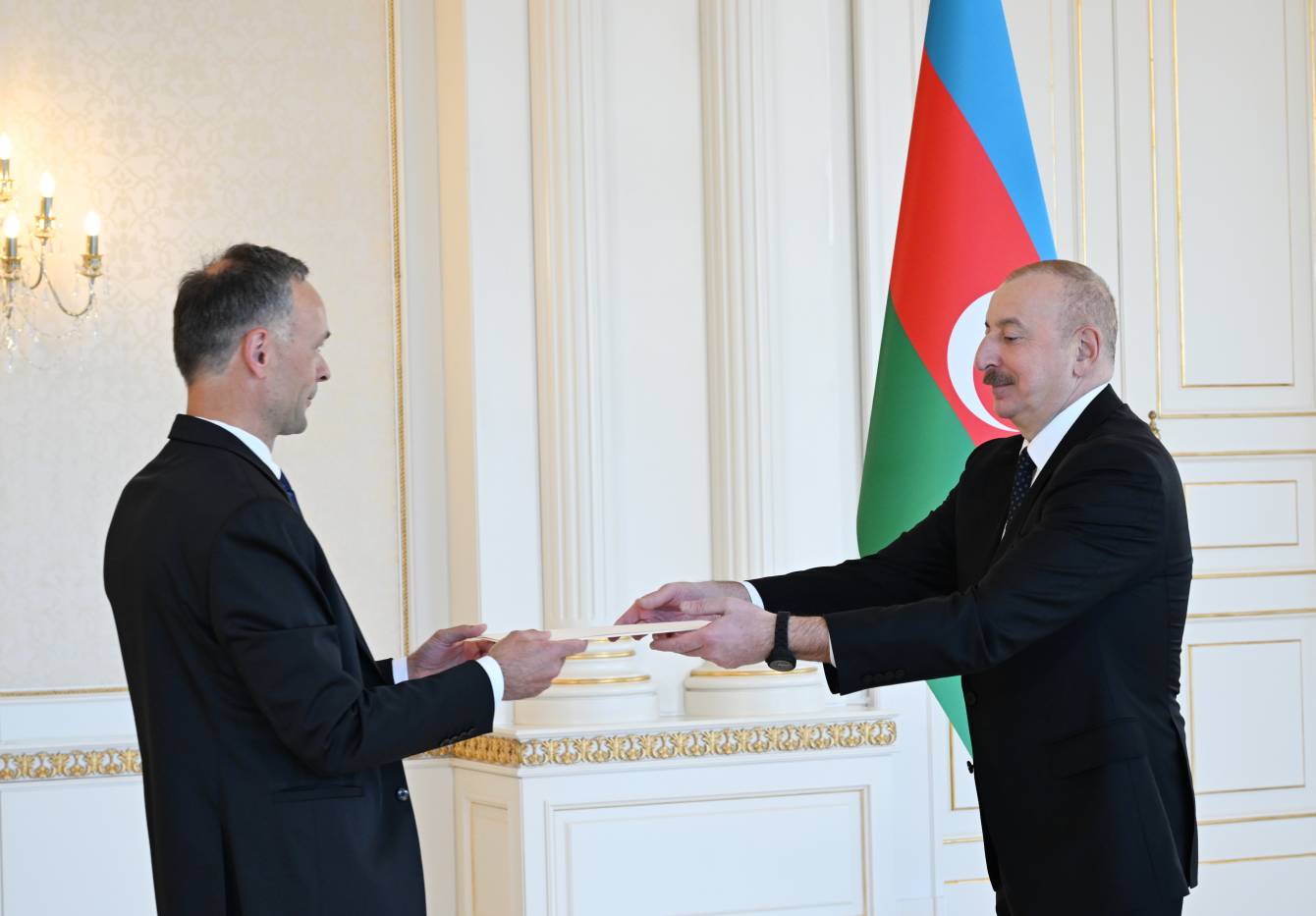
Caspian Energy (CE): Your Excellency, what inspired you to pursue diplomacy?
Kęstutis Vaškelevičius, Ambassador Extraordinary and Plenipotentiary of the Republic of Lithuania to the Azerbaijan Republic: I became interested in diplomacy via history. As a teenager, I was fascinated by the stories my father used to tell me about Lithuanian partisans fighting Soviet occupation in the nearby forests and villages of where my father was born. History taught me about the importance of international relations and diplomacy.
CE: Why is this mission in Azerbaijan significant for you?
Kęstutis Vaškelevičius: Again, history might help to reveal the importance of Lithuania-Azerbaijan relations. There were moments in our relationships, in particular in 1989-1991, when mutual understanding and solidarity helped our nations on our road to freedom. Today, both Lithuania and Azerbaijan are independent successful countries. But it doesn’t mean that challenges to our independence are over. Just across our borders, we see dangerous imperialistic ambitions. History reminds us that even the largest aggressor is afraid of solidarity among free nations. The current geopolitical environment calls for more solidarity among freedom-loving nations.
Today, I also appreciate Azerbaijan’s dynamic pace of development and its growing international role. Therefore, partnerships between Lithuania-Azerbaijan, as well as the EU and Azerbaijan, are also growing in importance. These partnerships can bring a significant contribution to strengthening the principles of international law, in isolating aggressors and in helping to advance peace and prosperity in our region and beyond.
An important part of my mission is also contributing to strengthening the friendship between the Lithuanian and Azerbaijani people. Better understanding and appreciating the rich history and culture of our peoples is something very valuable to the bilateral Lithuanian-Azerbaijani agenda.
- Category: News
- Hits: 706
- vezife: Natalya Susel, Editor-in-Chief of Caspian Energy Journal
- Rubrika: SPOTLIGHT
The United Arab Emirates has announced its withdrawal from OPEC and OPEC+ effective May 1, 2026; the decision was made against the backdrop of the crisis surrounding the Strait of Hormuz. The UAE has long been considered an influential participant in OPEC+. In the entire 65-year history of OPEC, this is the first withdrawal from the organization by one of its largest producers. Previously, according to the organization’s data, Gabon terminated its membership in January 1995. However, in July 2016, it rejoined the Organization. Qatar terminated its membership on January 1, 2019. Angola withdrew from the composition on January 1, 2024.
Along with Saudi Arabia, the country played the role of one of the key swing producers that can promptly change production volumes and influence the balance of the global market. In recent years, the UAE has actively invested in expanding oil infrastructure and production capacities. Prior to the blockade of the strait in February 2026, production amounted to 3.41 million bpd. This is third place after Saudi Arabia and Iraq, which corresponds to: 11.9% of all OPEC production, 8% of OPEC+ countries, and about 3–4% of global production. Prior to this, the Organization of the Petroleum Exporting Countries and its partners (OPEC+) agreed to increase oil production limits in May by 206 thousand bpd. This follows from a joint statement of eight countries—Russia, Saudi Arabia, Iraq, the UAE, Kuwait, Kazakhstan, Algeria, and Oman—published on Sunday, April 5, following a video conference. In early April, the countries made a decision on the adjustment of oil production volumes to "maintain stability in the market," the statement says. At the last such meeting, which took place in March, OPEC+ members had already increased limits by 206 thousand bpd.
Earlier, the Reuters agency, citing sources, wrote that the increase in production by OPEC+ countries should serve as a signal to the global market of the readiness for further ramp-up of oil production. In particular, the increase in May quotas should help stabilize the sentiments of petroleum product buyers against the backdrop of the blockade of the Strait of Hormuz and the war of the US and Israel with Iran, which have already led to an energy crisis. Russia, Saudi Arabia, Iraq, the UAE, Kuwait, Kazakhstan, Algeria, and Oman in September 2025 completed the early exit from cuts of 2.2 million barrels per day, and in October began the gradual phase-out of the additional production restriction of another 1.65 million barrels. For January-March 2026, the OPEC+ countries took a pause in the production increase.
The next OPEC+ meeting is scheduled for May 3.
Against the backdrop of the geopolitical crisis and intensifying political instability in the Middle East, the consequence of which has been high market volatility, large organizations such as OPEC+ cannot respond flexibly to the current situation, which is fully available to exporters not belonging to OPEC. Since the price break-even points for decision-making according to fiscal deficit indicators differ among OPEC+ countries, more and more time is required to coordinate a consistent and coordinated policy. On the other hand, the very conjuncture of the oil market is also changing inevitably in the case of the oil industry, which requires a quick reaction from the supplier. In particular, Thailand, which previously imported about half of its oil from Persian Gulf countries, has begun negotiations with Russia. India, for the first time in seven years, purchased oil from Iran. To stabilize the situation in the market, the USA also temporarily suspended the action of sanctions on oil from Russia that was loaded onto tankers before March 12, 2026.
Therefore, the longer the crisis lasts, the greater the probability of the collapse of OPEC+ up to the complete termination of its existence. For now, hypothetically, having lost the main lever of price regulation, the market will acquire even greater volatility and plunge into an abyss of uncontrolled growth and fall of prices and various kinds of market costs. Further, the resolution of the issue of energy security will call into question the globalization of the market, which will require new trade alliances, regulations of internal budgets of countries and trade, a review of investment and fiscal policy; national banks will strengthen regulation, the inevitable victim of which will be the private sector and knowledge-intensive industries; the market will undergo changes, and energy will become a luxury for the 1 billion people already lacking access to electricity.
From OPEC History: At the Baghdad Conference, which took place on September 10–14, 1960, the Organization of the Petroleum Exporting Countries (OPEC) was established. Over 65 years, it has become the largest alliance, whose members control 80% of all proven raw material reserves on the planet and 64% of its global production (and even more taking into account the OPEC+ participant countries).
OPEC was founded on September 14, 1960, by five countries: Iran, Iraq, Kuwait, Saudi Arabia, and Venezuela. Later, they were joined by Libya (1962), the UAE (1967), Algeria (1969), Nigeria (1971), Gabon (1975), Equatorial Guinea (2017), and Congo (2018). In September 1965, the headquarters of the alliance was moved to Vienna.
In December 2016, the Declaration of Cooperation (DoC) was signed, within the framework of which members of the organization and 10 exporting countries not belonging to the alliance united with the goal of restoring the oil market. The new informal format received the name OPEC+. Now OPEC includes 12 countries, and another 11, including Russia, participate in the expanded format.
The leaders in oil exports are Saudi Arabia (6 million bpd, 14% of the total volume), Russia (4.5 million bpd, 10.5%), the USA (4.1 million bpd, 9.5%), the UAE 3-3.5 million bpd (4% of world production), Canada (3.6 million bpd, 8.2%), and Iraq (3.4 million bpd, 7.8%). In total, they account for 50% of all oil export.
- Category: News
- Hits: 524
- vezife: Natalya Susel, Editor-in-Chief of Caspian Energy Journal
- Rubrika: SPOTLIGHT
The International Energy Agency (IEA), in its April edition of the "Oil Market Report" (OMR), noted that global oil supplies fell sharply in March by 10.1 million barrels per day (mb/d) to 97 mb/d. Oil production by OPEC+ countries dropped by 9.4 mb/d compared to the previous month to 42.4 mb/d, while supplies from non-OPEC+ countries decreased by 770,000 barrels per day to 54.7 mb/d. The IEA report also estimates that these disruptions could lead to a loss of 440 million barrels in April.
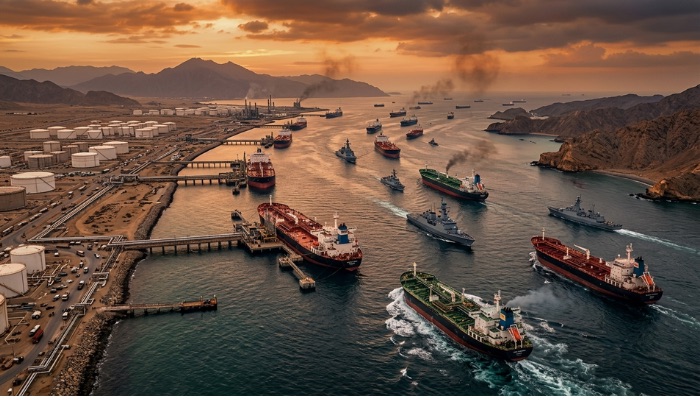
Oil exports from Persian Gulf countries fell sharply, with total losses exceeding 13 million barrels per day. Deliveries through the Strait of Hormuz in early April averaged about 3.8 million barrels per day, compared to more than 20 million barrels per day in February. Exports via alternative routes—primarily from the west coast of Saudi Arabia and Fujairah on the east coast of the UAE, as well as via the ITP pipeline running from Iraq to Ceyhan in Türkiye — increased to 7.2 million barrels per day from less than 4 million barrels per day before the war.
The supply shock led to a sharp rise in oil prices. The price of North Sea Dated oil was around $130 per barrel, which is approximately $60 above pre-conflict levels, while physical oil prices jumped to $150 per barrel, significantly exceeding futures prices. Oil product markets also tightened, with middle distillate prices in Singapore reaching above $290 per barrel.
According to IEA forecasts, global oil demand in 2026 will contract by 80,000 barrels per day, which is 730,000 barrels per day less than was predicted last month. In March, demand fell by 800,000 barrels per day year-on-year, and a decrease of 2.3 million barrels per day is projected for April. The IEA estimates that the 1.5 million barrel per day year-on-year drop in the second quarter of 2026 will be the sharpest since the start of the COVID-19 pandemic.
According to IEA data, the most notable reduction is observed in the petrochemical feedstock segment. In April, demand for LPG/ethane and naphtha decreased by 1.8 mb/d, while demand for transport fuels such as gasoil, gasoline, and jet fuel fell by approximately 1% in each case.
Regional impacts vary. Demand in OECD countries is projected to decline by 240,000 barrels per day in 2026, while demand in non-OECD countries will grow by 150,000 barrels per day, partially offset by a decline of 250,000 barrels per day in the Middle East. Demand in China is projected to increase by 80,000 barrels per day, and in India by 130,000 barrels per day, while the Middle East recorded the largest regional contraction of 250,000 barrels per day.
Oil inventories were drawn down to compensate for the supply deficit. Global observed oil inventories decreased by 85 million barrels in March, including 205 million barrels outside the Persian Gulf. At the same time, floating storage in the Middle East increased by 100 million barrels, and onshore crude oil stocks in the region rose by 20 million barrels, with China adding 40 million barrels of crude oil to its storage facilities.
In April, refineries in the Middle East and Asia, experiencing feedstock shortages, reduced processing volumes by approximately 6 million barrels per day to 77.2 million barrels per day. On average, global oil refinery throughput is expected to decrease by 1 million barrels per day in 2026 to 82.9 million barrels per day.
The two-week truce announced on April 7 brought only limited relief; however, uncertainty remains as to whether it will lead to a sustainable recovery of shipping through the Strait of Hormuz, the IEA noted. The U.S. blockade of vessels entering or leaving Iranian ports will further complicate the situation.
The IEA stated that the potential further path of developments could be described by two scenarios. In the base case scenario, oil supplies gradually resume from May, with the market balance shifting to a surplus of 2.5 mb/d in the second half of 2026. In a prolonged crisis scenario, the supply deficit persists, requiring a stock draw of 6 mb/d and leading to cumulative losses approaching 2 billion barrels by the end of the year. The trajectory of the Strait of Hormuz remains the central factor determining the recovery of supplies, price stability, and the overall outlook for global oil markets, the IEA report says.