


- Category: News
- Hits: 856
- vezife: Natalya Susel, Editor-in-Chief of Caspian Energy Journal
- Rubrika: SPOTLIGHT
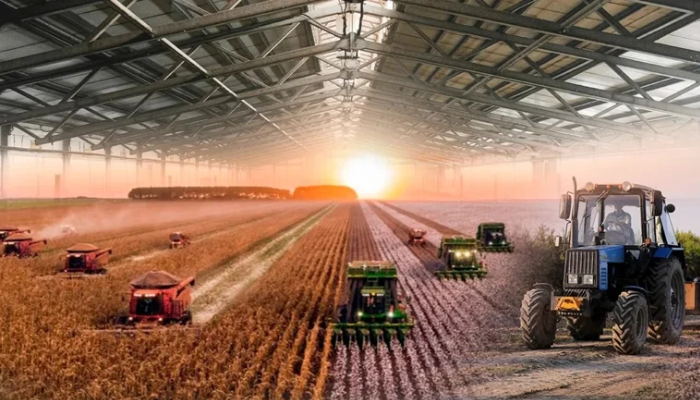
Over the last seven years, Kazakhstan's agricultural output has nearly doubled
The gross agricultural output in Kazakhstan has increased nearly twofold over the past seven years — rising from 5.2 trillion tenge in 2019 to 9.8 trillion tenge in 2025. This was reported by Kazinform, citing the Ministry of Agriculture. These results were made possible by the strategic development course for the agro-industrial complex set by the Head of State, as well as comprehensive government support measures for the industry.
A significant impact was made by the large-scale financial support provided to farmers. Driven by concessional loans — the volume of which reached 1 trillion tenge — the agricultural sector has demonstrated record-breaking indicators for the second consecutive year, confirming the stability and efficiency of the agrarian industry.
The positive dynamics were the result of enhanced technological equipment in agriculture, the expansion of modern agricultural technologies, the use of high-quality seed material, and an increase in the volume of fertilizer application.
Thanks to the saturation of the sector with preferential financial resources, it was possible to significantly expand the coverage of farmers with financing — around 14,000 agricultural producers gained access to affordable credit funds. This allowed domestic farmers to improve the quality of planning and the discipline in fulfilling financial obligations.
In 2025, a record harvest of oilseeds was also achieved — 4.9 million tons, along with 1 million tons of legumes. A total of 2.8 million tons of potatoes, 3.7 million tons of vegetables, and 2.5 million tons of melon crops were harvested. The gross harvest of raw cotton amounted to 466,000 tons with a yield of 3.2 tons per hectare—the highest figure in the last 18 years.
The level of equipment renewal increased from 5.5% to 6.5%. The processing industry also shows significant growth. By the end of 2025, the production volume of food products amounted to 3.9 trillion tenge, which is 8% higher than the 2024 level (3.3 trillion tenge).
Compared to 2019, food production has grown 2.3 times — from 1.7 trillion to 3.9 trillion tenge.
Today, the share of food production accounts for 13% of the structure of the manufacturing industry and 6% of the total industrial production.
In recent years, the output of key products has increased significantly: butter production doubled, vegetable oil increased 1.9 times, cheese and curd by 1.7 times, and sausage products by 43.3%. Furthermore, processed milk output rose by 16.4%, flour by 10.7%, and pasta products by 1.4%.
At present, the self-sufficiency of the domestic market for the 24 primary food commodities stands at 80–100% or higher, driven by domestic production.
To stabilize prices for socially significant food products, regions have contracted 246,900 tons of produce, including potatoes, onions, cabbage, and carrots. Sales are conducted through retail chains, social grocery stores, and distribution outlets of Social-Entrepreneurial Corporations at fixed, reduced prices.
As of March 11, 153,400 tons of produce have already been sold, including 89,900 tons of potatoes, 17,400 tons of onions, 22,000 tons of carrots, and 24,100 tons of cabbage.
According to official statistics, the price index for socially significant food products remains stable. Price monitoring and control over the adherence to the trade margin for socially significant food products, not exceeding 15% of the producer's price, is carried out on an ongoing basis.
Systemic state support aimed at diversifying production and increasing the share of high-value-added products has also had a positive impact on the export performance of the sector. For the first time in the last 10 years, Kazakhstan's agribusiness sector export reached 7 billion US dollars, exceeding last year's figure by 37%. The harvested crop is sufficient to fully meet the needs of the domestic market and expand export supplies. In the 2024–2025 marketing year, 15.3 million tons of grain were exported, which is almost 60% higher than the same period last year (9.6 million tons) and represents the highest export figure in the last 20 years.
All of this indicates that Kazakhstan's agricultural sector is confidently strengthening its position as one of the key drivers of the country’s economic development.
As previously reported, the Ministry of Agriculture of the Republic of Kazakhstan has launched preferential livestock financing at 6%.
- Category: News
- Hits: 3096
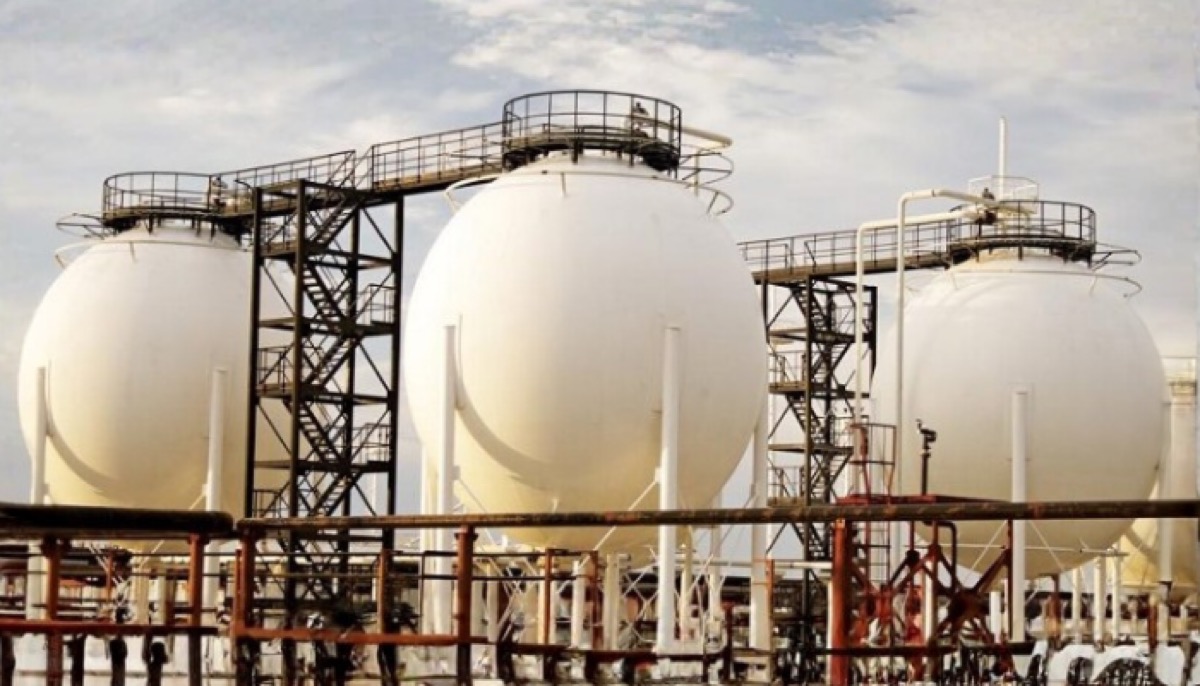
The International Energy Agency (IEA) recently released its natural gas market report for the first quarter of 2025. The report indicates that global demand for natural gas grew steadily in 2024, though the growth rate is expected to slow in 2025, reaching approximately 4.286 trillion cubic meters. It is projected that the supply of liquefied natural gas (LNG) will continue to grow into 2026, while natural gas consumption is set to keep rising, potentially breaking historical records. Notably, gas prices spiked in the first half of 2025 due to supply shortages but declined in the second half of the year as LNG production increased in the U.S. and other regions.
Driven by expanding industrial activity, natural gas consumption in Africa increased by 3% in 2025 and is projected to grow by 2.5% in 2026. However, in terms of global regional consumption in 2025, the highest volumes are attributed to North America and Asia, while Africa's consumption remains relatively low. Specifically, North America will consume 1.175 trillion cubic meters, the Asia-Pacific region will consume 982 billion cubic meters, the Middle East 639 billion cubic meters, Europe 522 billion cubic meters, Africa 175 billion cubic meters, and Latin America 154 billion cubic meters. Caspian Energy Media reports, citing shpgx.com.
Furthermore, the report shows that although Africa's LNG exports decreased in 2025, new exporting countries have emerged. Nigeria became Africa's largest LNG exporter, while recently constructed Floating Liquefied Natural Gas (FLNG) facilities in the Republic of the Congo and Senegal have expanded their capacities. Mauritania has also emerged as a new LNG exporter. In addition, Angola, Mozambique, and Nigeria have demonstrated further expansion of their LNG business operations.
African LNG exports decreased by 15% in 2025, driven by factors such as falling exports from Algeria and rising imports from Egypt. Algeria's LNG exports in 2025 dropped by 18% compared to 2024, a decline attributed to growing domestic demand, aging oilfield infrastructure, and the necessity of conducting scheduled maintenance. Furthermore, natural gas production in Egypt significantly decreased while domestic demand grew, resulting in LNG imports reaching 12.5 billion cubic meters (bcm) in 2025. Approximately 80% of these imports originated from the United States. Additionally, Egypt imported 8.4 billion cubic meters of natural gas from Israel via pipeline. Although Mozambique continues to face security challenges and financing uncertainty, new LNG projects are expected to come online in 2028.
- Category: News
- Hits: 543
- vezife: Natalya Susel, Editor-in-Chief of Caspian Energy Journal
- Rubrika: SPOTLIGHT
On Thursday, March 5, China unveiled its main development goals for the period 2026-2030 in a government work report presented for review at the 4th session of the 14th National People's Congress.
According to the report, over the next five years, China aims to maintain GDP growth within a rational range and set annual targets based on specific conditions. Caspian Energy Media reports with reference to Chinese Xinhua.
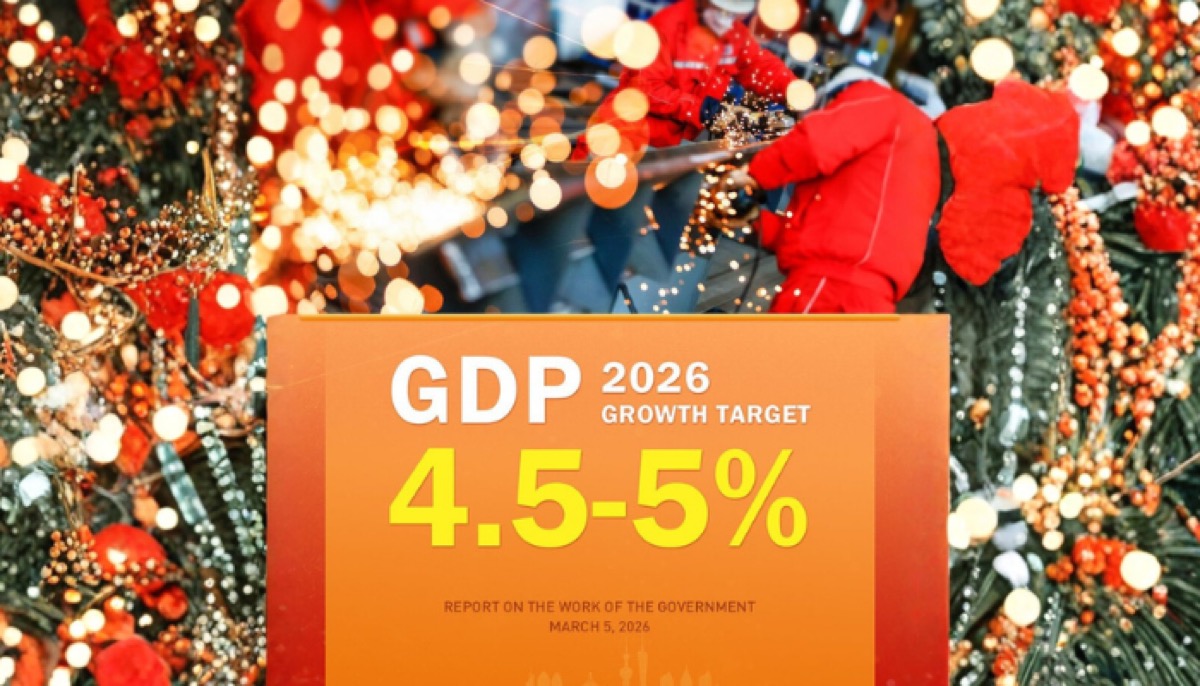
This will lay a solid foundation for doubling GDP by 2035 compared to the 2020 level and achieving the status of a moderately developed country, the report states. China has set a target to ensure economic growth of 4.5-5 percent in 2026 and will strive to exceed this target in practice. This is stated in the government work report presented on Thursday for review at the 4th session of the 14th National People's Congress.
According to the report, China has outlined other key development targets for the current year: the surveyed urban unemployment rate is set at approximately 5.5%; over 12 million new urban jobs are to be created; the Consumer Price Index (CPI) is expected to rise by around 2%; personal income is projected to grow in step with economic growth; the balance of payments will remain generally stable; grain output is targeted to reach approximately 700 million tonnes; and energy consumption per unit of GDP (carbon intensity) is to be reduced by about 3.8%.
To ensure innovative and 'green' development, annual spending in these areas is projected to increase by over 7%, while overall carbon intensity of GDP is targeted to decrease by 17% during the 2026–2030 period.
According to the report, China will also increase the share of added value from key sectors of the digital economy in GDP to 12.5 percent, and raise the expected average life expectancy of the population to 80 years.
To ensure the effective implementation of the goals and objectives of the 15th Five-Year Plan, China has put forward a total of 109 major projects across six sectors, such as directing the development of productive forces of a new quality and ensuring and improving the well-being of the people, the report says.
- Category: News
- Hits: 541
- Rubrika: SPOTLIGHT
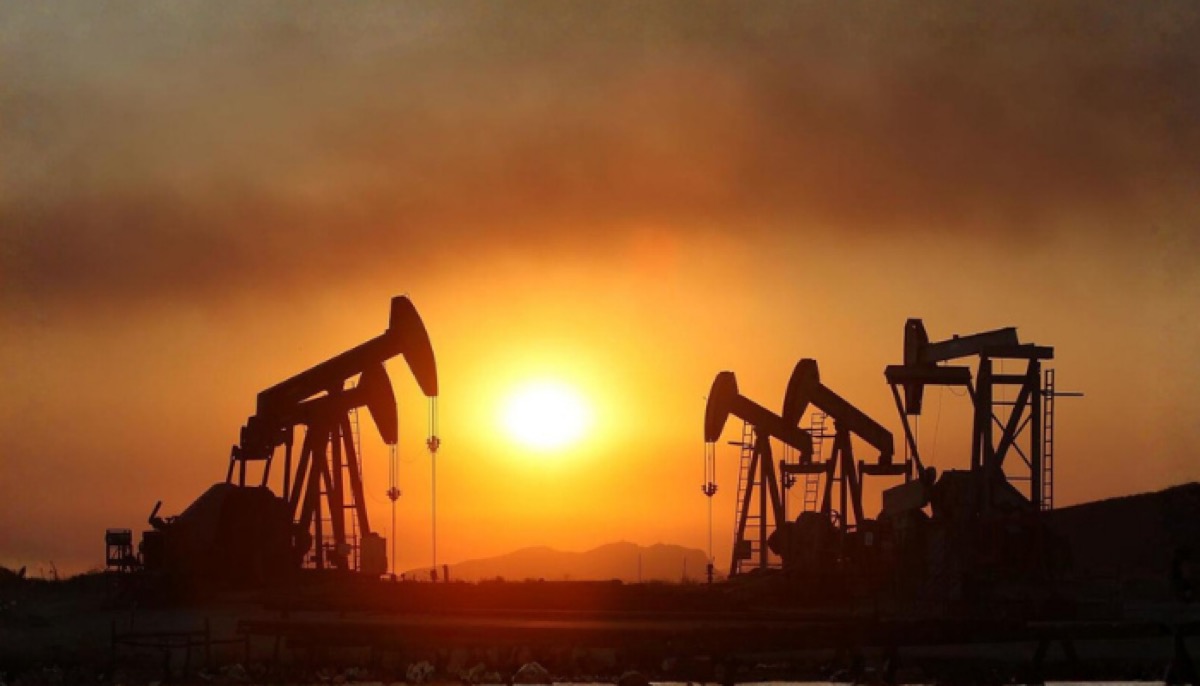
The International Energy Agency (IEA), in its February Oil Market Report, stated that global oil supply fell by 1.2 million barrels per day (bpd) in January, dropping to a total of 106.6 million bpd. This decline was driven by factors such as escalating geopolitical tensions, blizzards and extreme temperatures in North America, as well as reduced oil exports from Kazakhstan, Russia, and Venezuela. The price of Brent crude, the global benchmark, recently surpassed the $70 per barrel mark, reaching a new high since September 2025.
Russian oil supplies saw a sharp decrease of 350,000 bpd in January, as its primary buyers reduced imports under pressure from expanded US and EU sanctions. In particular, Indian oil refineries have intensified their efforts to secure alternative supply sources, which has had the most significant impact on Russian oil exports. Indian imports of Russian oil fell to 1.1 million bpd in January, marking the lowest level since November 2022 and significantly trailing the 2025 average of 1.7 million bpd.
Venezuelan oil production in January decreased by 210,000 bpd compared to the previous month, totaling 780,000 bpd. However, the market anticipates a swift recovery in Venezuelan output following the US government's authorization for US-registered companies to export Venezuelan crude.
Furthermore, extreme cold weather in January led to the shut-in of over 1 million bpd of production capacity in North America. Operations at Kazakhstan’s key oil export terminals have been suspended for an extended period since last November. In January, Kazakhstan’s largest oil field, Tengiz, was forced to temporarily halt operations due to a fire. This incident resulted in a reduction of light crude supply and contributed to the rise in international oil prices. Caspian Energy Media reports with reference to shpgx.com.
The report indicates that global refinery throughput in January of this year declined to 85.7 million bpd, down from a record high of 86.3 million bpd in December 2025. This decrease was attributed to seasonal maintenance and a decline in refining margins.
Global oil inventories increased by 37 million barrels in December 2025, bringing the total inventory growth for the year to 477 million barrels. In OECD countries, oil stocks rose by 3.9 million barrels last December—a counter-seasonal increase that, for the first time since 2021, exceeded the five-year average. It is projected that global oil inventories will increase by an additional 49 million barrels in January.
The report forecasts a significant recovery in global oil supply through the end of 2026, following the sharp decline seen in January. Global oil demand is projected to grow by 850,000 bpd in 2026, up from 770,000 bpd in 2025. This demand growth will be driven entirely by non-OECD countries. Furthermore, petrochemical feedstocks are expected to account for more than 50% of the demand growth in 2026, compared to one-third in 2025.
Following a global production increase of nearly 3.1 million bpd in 2025, the report estimates that world oil output will rise by 2.4 million bpd in 2026, reaching a total of 108.6 million bpd. This growth is expected to be split equally between OPEC+ and non-OPEC+ producing nations. Finally, global refinery throughput is projected to grow by an average of 790,000 bpd in 2026, reaching 84.6 million bpd, primarily driven by capacity increases in non-OECD countries.
Meanwhile, oil-producing nations within OPEC+ have reaffirmed their plan to maintain current production quotas through the end of March this year. Against this backdrop, global oil supplies are expected to recover in the coming months. Overall, world oil supply is projected to increase by 2.4 million bpd this year, with non-OPEC+ and OPEC+ countries each contributing 50% of this growth, provided that OPEC+ adheres to its existing production agreement.
Due to economic uncertainty and rising oil prices dampening consumption, the report slightly revised down the global oil demand growth forecast for 2026 to 850,000 bpd. China remains the largest source of growth, with an annual increase of approximately 200,000 bpd.
The report indicates that due to a persistent supply surplus, global oil inventories increased by an additional 37 million barrels in December 2025, reaching a record level of 477 million barrels for the year. However, given the seasonal decline in refinery utilization rates from the record highs seen in December, alongside the ongoing recovery in oil supply, the shifting dynamics of global oil supply and demand remain to be fully evaluated.

- Category: News
- Hits: 1062
Growth rates slowed in 2025, while inflation accelerated. Hydrocarbon production declined significantly last year, and growth in the non-resource sector decelerated due to the indirect impact of falling hydrocarbon prices and the normalization of investment from previous high levels. Overall, real GDP growth slowed to 1.4%, compared to 4.2% in 2024.
Driven largely by external factors, inflation temporarily exceeded the upper limit of the target range before returning to within that range in the second half of 2025. Credit growth slowed significantly in 2025, while banks remain well-capitalized and profitable. The combined reserves of the Central Bank of Azerbaijan (CBA) and the State Oil Fund (SOFAZ) increased from $70 billion at the end of 2024 to $85 billion by the end of 2025.
Looking ahead, GDP is expected to grow by 2.1% in 2026 amid continued weakness in oil and gas production and a slight acceleration in non-oil GDP growth, before stabilizing at 2.5% in the medium term. Inflation is projected to decline to 5.0% by the end of 2026 and to 4.0% by the end of 2027, provided that external inflationary pressures ease and fiscal consolidation continues.
The external position is expected to weaken, with the trade surplus narrowing due to declining oil production. However, the current account balance is projected to remain positive throughout 2026–2027. The combined reserves of the CBA and SOFAZ will continue to grow, albeit at a slower pace. According to the IMF mission’s February report, risks to the outlook remain generally balanced, though external uncertainty remains high.
"Medium-term fiscal consolidation is appropriate and will ensure equity while supporting external sustainability. A clear and comprehensive strategy, based on the identification of specific revenue-enhancing and expenditure-management measures, will bolster the credibility of fiscal consolidation. It is necessary to continue efforts to improve the profitability of state-owned enterprises (SOEs) and reduce subsidies, rationalize tax incentives, and strengthen tax administration and compliance monitoring," the document states.
“While inflation is projected to decline, careful monitoring of inflationary risks and responsiveness to inflationary surprises will be essential, given heightened external uncertainty and the still-evolving transmission of monetary policy to the economy. Interbank rates remain close to the policy rate, reflecting the Central Bank’s successful management of excess liquidity. Substantially improving the transmission of monetary policy to the broader economy will require further development of the risk-free yield curve and continued efforts to address long-standing structural issues, such as dollarization, high operating costs, and low competition within the banking sector.”
Maintaining the current level of the countercyclical capital buffer is appropriate given the slowdown in credit growth, while the implementation of the Liquidity Coverage Ratio (LCR) and the planned introduction of the Net Stable Funding Ratio (NSFR) will contribute to the resilience of the banking sector. The recent implementation of risk-based supervision will strengthen prudential oversight and, along with the gradual rollout of Basel III and the ongoing improvement of the financial safety net, will bolster financial stability and further enhance public confidence in the banking sector."
"Azerbaijan is appropriately focusing on economic diversification. Expanding the role of the private sector in this diversification, including through the attraction of foreign direct investment, requires deepening capital markets to broaden private sector access to financing and enhancing labor productivity through investment in human capital. Alongside recent progress in monitoring the performance of state-owned enterprises, reducing the role of regulated prices and cutting government subsidies to state-owned enterprises will stimulate competition and facilitate the optimization of their operations," the IMF stated.
- Category: News
- Hits: 377
- Rubrika: SPOTLIGHT
- Category: News
- Hits: 407
- vezife: Natalya Susel, Editor-in-Chief of Caspian Energy Journal
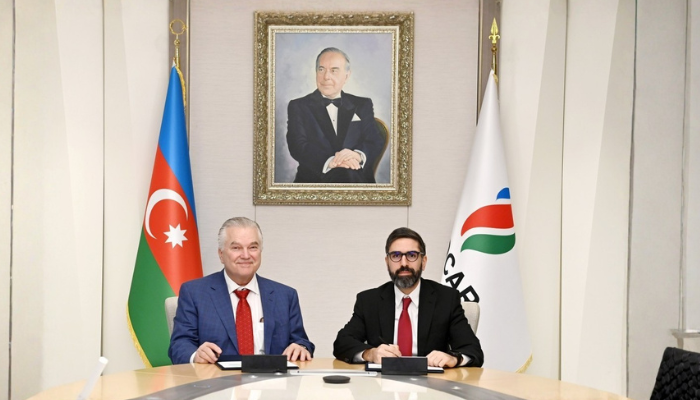
SOCAR and Gran Tierra Energy Inc. signed a Production Sharing Agreement for the exploration, development, and production of a promising onshore field located in the Guba-Caspian region of the Republic of Azerbaijan.
The document was signed by SOCAR President Rovshan Najaf and Gran Tierra Energy Inc. President and CEO Gary Guidry, Oku.Az reports.
Azerbaijan is a highly developed oil and gas region with major discoveries and world-class export-ready infrastructure, backed by over a century of oil and gas production history, including some of the world’s earliest and most productive commercial oil extraction projects. This aligns well with our strategy of reducing risks and increasing capital efficiency in regions with proven growth potential. Crucially, Azerbaijan plays a vital role in Europe's energy security by supplying oil and gas to key European markets, and we are pleased with the opportunity to participate in this value chain over the long term," said Gary Guidry.
The PSA provides significant access rights in a proven region, ensuring access to developed infrastructure and covering an adjacent basin trend supported by common geology, well data, and seismic data, which opens clear prospects for exploration, appraisal, and field development.
Azerbaijan is a world-class oil and gas producing region, centered around some of the world's largest conventional oil and gas fields. The contract area covers a structure approximately 65 kilometers in length, which has already produced over 100 million barrels of oil and more than 200 billion cubic feet of natural gas, highlighting the scale and quality of Azerbaijan's petroleum system.
This will allow Gran Tierra to leverage its proven expertise in exploration, appraisal, development, and optimization, combining the company’s core technical and operational capabilities with strategic access to European markets.
Gran Tierra has secured a 65% working interest (WI) and operatorship in the contract area, which encompasses approximately 0.4 million acres — more than double the company’s current acreage in Ecuador.
Under the PSA, Gran Tierra is granted five years for exploration and appraisal, along with 25 years for the development of any economically viable fields, with an option to extend the development period for an additional five years. The exploration period consists of an initial three-year phase, followed by a second two-year phase. The initial phase includes conducting gravimetric surveys, as well as an obligation to drill two wells and acquire 3D seismic data over an area of 250 km2. The second phase provides for the drilling of two additional wells and the acquisition of 3D seismic data over an additional 250 km2. Upon completion of the initial phase, the Company has the right to proceed to the second phase.
Gran Tierra plans to begin the aerogravimetric survey in 2026, with seismic work and drilling scheduled for 2027. These activities are expected to be funded by the company's projected net cash flow from operating activities.
The agreement will enter into force following ratification by the Milli Majlis of the Republic of Azerbaijan.
- Category: News
- Hits: 239
- vezife: Ilham Aliyev President of the Republic of Azerbaijan
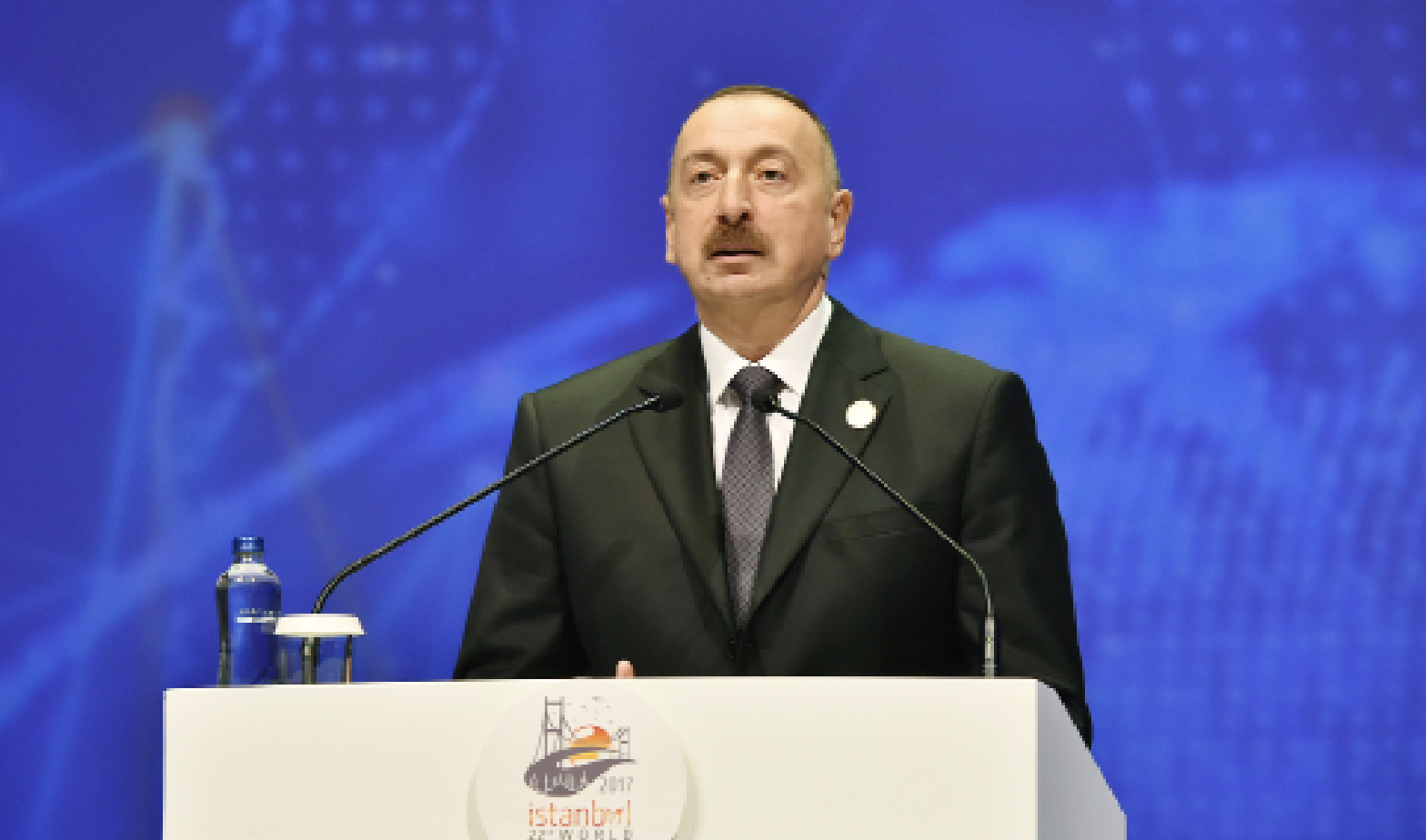
Dear journalists,
I would like to congratulate you and your numerous readers on the 10th anniversary of Caspian Energy Journal.
Amidst media sources narrating about processes of dynamical development across the country, Caspian Energy Journal has gained a peculiar niche in terns of topics covered and geography of the journal.
The policy on strategic development initiated by National Leader Heydar Aliyev is now continued in the Republic of Azerbaijan. This policy is contributing much to the social and economic life of the country. The start of implementation of the oil strategy goes back to 1994 when the Contract of the Century was singed. Once launched, this strategy did much to speed up the progress in Azerbaijan, ensure energy security, turn the non-oil sector to the path of stable development and improve the image of Azerbaijan the international arena. Azerbaijan was one of the initiators and active participants of the process aiming at creation of regional and global energy security and now has become the center of implementation of transnational projects. Commissioning of Baku-Tbilisi-Ceyhan Crude Oil Pipeline and Baku-Tbilisi-Erzurum Gas Line, the biggest projects of the century, has strengthened geopolitical and economic positions of our country. Azerbaijan successfully performed the goals on diversification of energy resources transportation resources and is now performing a major role in ensuring energy security of both the region and Europe.
Our achievements are widely covered by foremost Azerbaijani and global media sources, including Caspian Energy Journal that particularly narrates about the valuable contribution of our country to regional security and cooperation. Journal’s professional and fair materials in the field of global energy projects and economic topics have made Caspian Energy Journal a reliable source of information and attracted many readers both in Azerbaijan and abroad.
The growing significance of Azerbaijan in implementation of international energy projects actualizes expansion of such editions as Caspian Energy International Journal. I do believe that your journal will be strengthening its achievements gained over 10 years of its activity and apply more efforts to spread fair and full information about the role of our country in transnational projects across our region.
Once again I would like to congratulate the journal team and wish you new successes in creative work.
Ilham Aliyev President of the Republic of Azerbaijan
- Category: News
- Hits: 413
- Rubrika: SPOTLIGHT
- Category: News
- Hits: 318
- Rubrika: SPOTLIGHT
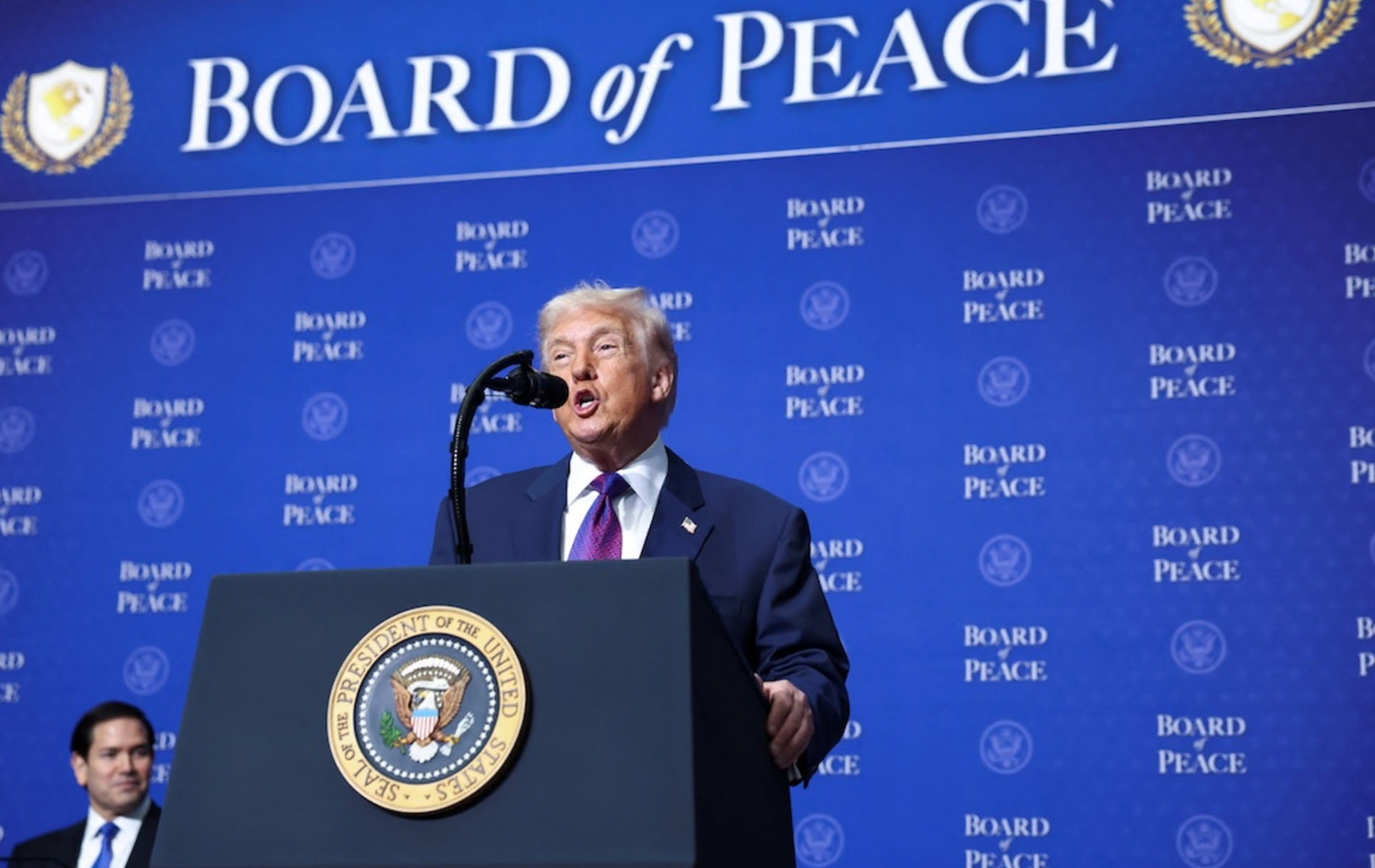
At the invitation of the President of the United States of America, Donald Trump, the President of the Republic of Azerbaijan, Ilham Aliyev, is on a working visit to the country to participate in the inaugural meeting of the Board of Peace, which will be held today in Washington.
According to APA, on February 18, the Head of State met in Washington with the Executive Director of the American Israel Public Affairs Committee (AIPAC), Elliot Brandt, and other members of AIPAC’s senior leadership. During the conversation, the visit of the American Israel Public Affairs Committee delegation to our country and their meetings with the Head of State were recalled with satisfaction
The role of the American Israel Public Affairs Committee (AIPAC) in deepening bilateral relations between Azerbaijan and the United States, as well as between Azerbaijan and Israel, was emphasized.
The meeting on February 19 will also be attended by the President of Kazakhstan, Kassym-Jomart Tokayev, the President of Uzbekistan, Shavkat Mirziyoyev, the Prime Minister of Armenia, Nikol Pashinyan, and the President of Azerbaijan, Ilham Aliyev.
Southeast Asia will be represented by the President of Indonesia, Prabowo Subianto, and the leader of the Communist Party of Vietnam, To Lam. Pakistan will be the sole country representing South Asia, with Prime Minister Shehbaz Sharif in attendance.
The meeting will also be attended by the European Commissioner for the Mediterranean, Dubravka Šuica, in an observer capacity for the EU. Furthermore, Italy, Cyprus, Greece, and Romania will also dispatch observers.
Pope Leo XIV declined the invitation to join the Board, noting that crisis situations across the globe should be resolved within the United Nations.
In total, the United States extended invitations to join the Board of Peace to 50 countries, of which 35 expressed interest. Meanwhile, a total of 26 have officially joined the organization as founding members, and at least 14 have declined the proposal.
Many have criticized the Board, noting that the American President seeks to replace the UN. It was initially assumed that the Board of Peace would focus exclusively on resolving the situation in the Gaza Strip; however, following the publication of the organization's charter, it became clear that the Board is prepared to engage in conflict resolution worldwide. Trump himself stated that the "Board of Peace will become the most significant international organization in history." Furthermore, the President emphasized that the organization intends to "present its bold vision to the civilians in Gaza and later, ultimately, far beyond Gaza — peace to the whole world!"
The creation of the Board of Peace was a component of the plan proposed by Trump to end the conflict in the Gaza Strip. Its formation was announced in January 2026. The founding ceremony of the Board of Peace took place on January 22 in Davos, Switzerland, as part of the World Economic Forum.
Previously, on February 10, 2026, in Baku, Azerbaijan and the United States officially signed a Strategic Partnership Agreement following a high-level visit, during which a meeting was held between President Ilham Aliyev and U.S. Vice President JD Vance. The ceremony, held at the Presidential Palace, was preceded by several hours of bilateral and expanded negotiations on regional security, energy, technological cooperation, and long-term economic prospects.
From the very beginning of the negotiations, both sides expressed a clear desire to build their relationship on a sustainable and institutional basis. The agreement provides for the establishment of a regular strategic dialogue between the respective ministries, featuring specialized monitoring mechanisms. In the sphere of security, discussions focused on strengthening cooperation in the protection of energy infrastructure, counter-terrorism, and regional stability in the South Caucasus.
In 2025, the trade turnover between Azerbaijan and the United States amounted to approximately $1.6 billion, accounting for 3.15% of the total foreign trade turnover of the Republic of Azerbaijan.
- Category: News
- Hits: 458
- Rubrika: SPOTLIGHT