


Caspian Energy (CE): What is your assessment of the outcomes of COP29 and what are your key expectations for COP30 in terms of global climate action and South Africa’s role?
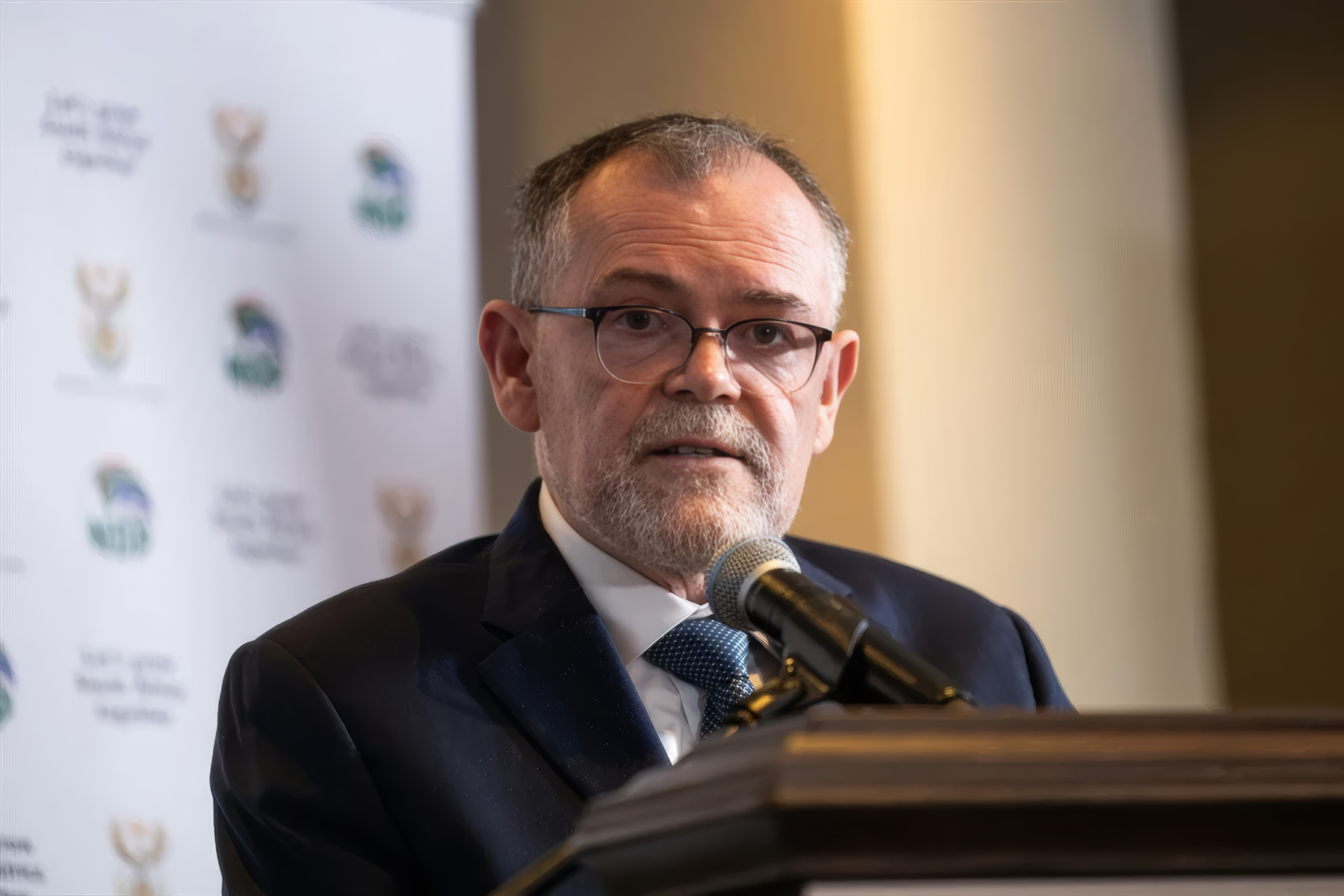
Dion George, Minister of Forestry, Fisheries and the Environment of the Republic of South Africa: Despite the tense conclusion of the two-week long COP29 consultations and negotiations in November 2024, I was quite pleased that a new deal was eventually adopted. I know a great deal of time was dedicated by South Africa’s negotiating team to ensure that key issues were included in key texts with the view to not only reach a consensus, but to also effect tangible change. Our negotiating team paid particular attention to making contributions to the parts of the text that would aid in quantifying resources for developing economy countries to meet ambitious climate targets and we achieved this.
As such, one of the biggest outcomes of the Baku Climate Unity Pact was the New Collective Quantified Goal (NCQG) on climate finance. The NCQG has now been set at USD300 billion annually by 2035 for developing economy countries for climate action, which is a significant leap from the previous USD100 billion. The agreement provides signals to developed economy countries, the private sector and multilateral development banks to scale up financing to developing economy countries to USD1.3 trillion per year by 2035.
I believe that COP29 was a major game changer for future climate talks and I believe much of the talks at COP30 will be about translating the COP29 agreements into action. As President of the G20 this year, the work that South Africa will be doing will also inform much of our COP30 negotiating goals mainly on issues such as the high cost of capital and, South Africa’s efforts to attract investment in green technologies and unlock economic opportunities in the transition to a low-carbon economy, amongst other.
Please login or subscribe to read the full article.
Login / Subscribe