


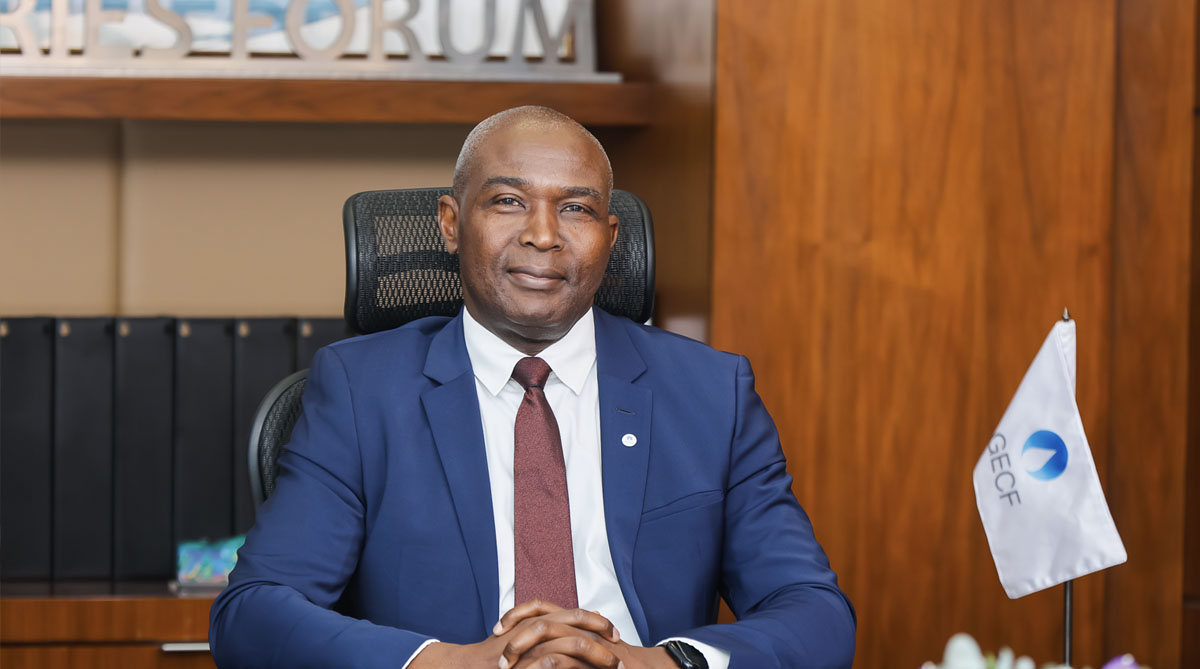
Caspian Energy (CE): With a massive wave of new LNG export capacity expected to come online from Qatar, the U.S. and other players over the next few years, the market is bracing for a potential supply glut. How should GECF members strategically position themselves to manage this impending volatility and defend long-term market stability?
Philip Mshelbila, Secretary General of the Gas Exporting Countries Forum (GECF): The global LNG market is entering a new phase. Prior to the ongoing Middle East tensions, the market was expected to loosen significantly from 2027 onwards, driven by a substantial wave of new LNG capacity from Qatar, the US and other producers. By 2030, approximately 250 Mtpa of new LNG export capacity is expected to come online globally, potentially placing downward pressure on spot LNG prices. While the Middle East conflict has delayed this timeline by around one to two years, owing to disruptions in the Strait of Hormuz, damage to existing facilities and delays to some expansion projects, the underlying outlook is delayed but otherwise unchanged, assuming that the current conflict in the Gulf is resolved imminently and there are no similar production or supply disruptions in the intervening period.
For GECF Member Countries, the expected medium-term glut and lower prices are not viewed solely as a challenge, but also as an opportunity. Lower LNG prices will improve the competitiveness of natural gas relative to higher emissions fuels such as coal, stimulating additional gas demand, particularly in emerging markets and the power sector. This could support the continued expansion of natural gas in the global energy mix.
Against this backdrop, the strategic imperative for GECF Member Countries is to maintain a long-term, often counter-cyclical, investment perspective. Collectively holding approximately 70% of the world's proven natural gas reserves, GECF Member Countries are central to the future of global gas supply and energy security. Most LNG exports from GECF Member Countries are sold under long-term, oil-indexed contracts, which continue to provide revenue stability, underpin investment decisions, and reduce exposure to short-term spot market volatility. This contractual model remains fundamental to financing the large-scale investments required across the gas value chain. Sustained investment is particularly important given that global natural gas demand is expected to continue growing over the long term. Conversely, a slowdown in investment today would increase the risk of future supply deficits, tighter market conditions and renewed price volatility.
At the same time, LNG producers should continue strengthening their competitiveness by optimizing production costs, improving operational efficiency, adopting commercial flexibility where appropriate, and deepening partnerships with importing countries.
History has shown that the LNG industry is inherently cyclical, with periods of market tightness followed by phases of market loosening. As new LNG supply is absorbed and demand continues to expand, the market will eventually rebalance, as it has in previous cycles. The key question is not whether rebalancing will occur, but at what price level. If spot LNG prices fall to unsustainably low levels, higher-cost and more spot-exposed producers are likely to curtail output first, helping restore market equilibrium. Over the longer term, market stability will continue to depend on sustained investment, diversified markets, balanced contractual structures that provide value and security for both producers and consumers.
Please login or subscribe to read the full article.
Login / Subscribe