


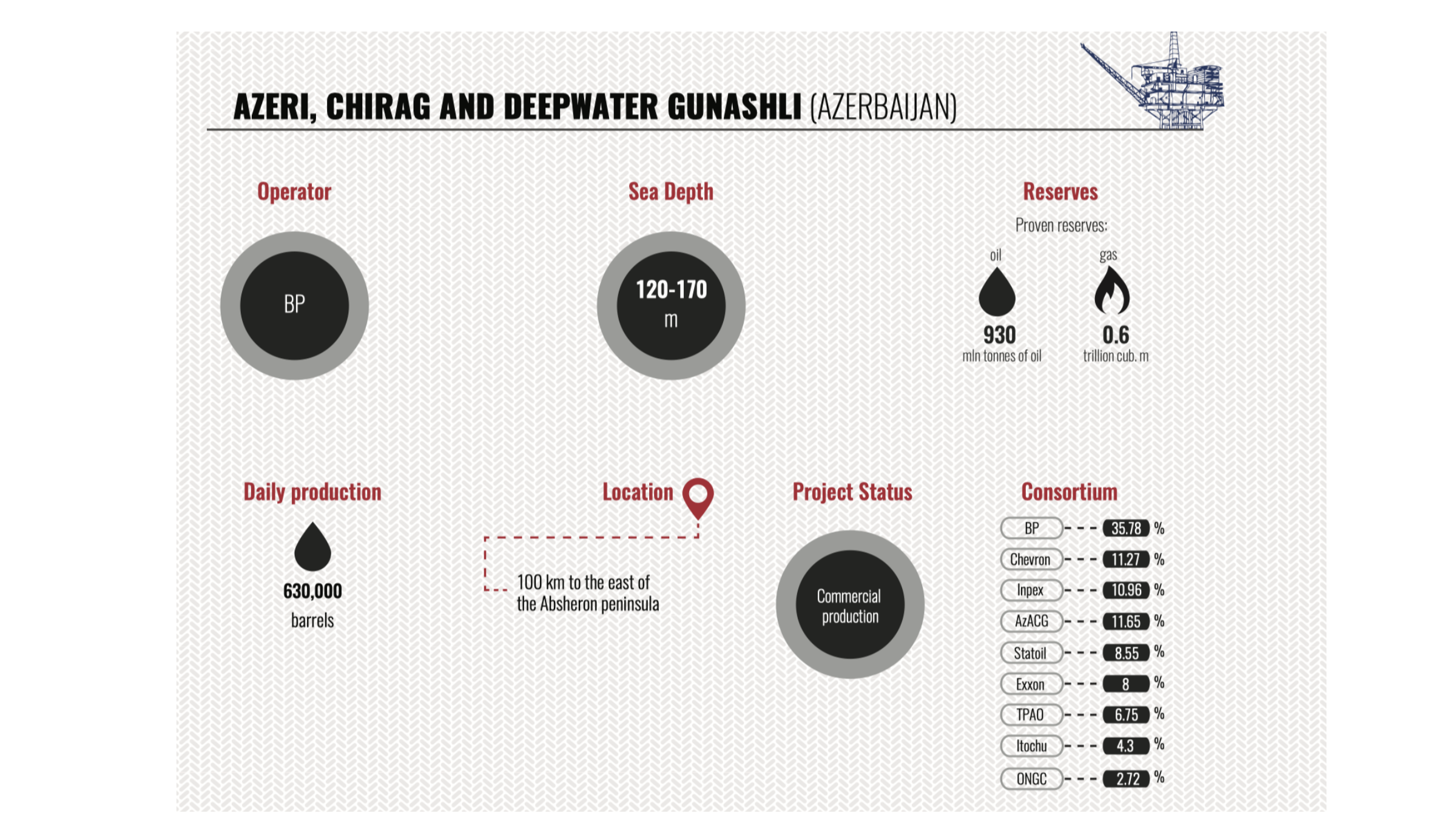
Compiling the investment rating of companies performing oil-gas operations in the Caspian fields, we have split the rating into three parts in order to provide a complete picture of the present pattern of investing in oil-gas operations in the Caspian, a high potential of Caspian fields and promising areas in current hard market conditions. The first part covers old Caspian fields(some of them have been under development for 100 (!) years, there is no analogue for it in the world now), the second one covers relatively new investment projects in Azerbaijan and on the Caspian in general, where production is already running. And the third part includes fields discovered by foreign consortiums in the Azeri sector late in the 20th century and projects on them were closed just because the result of exploration and further appraisal revealed mainly gas bearing deposits which used to be considered commercially unfavourable at that period.
Nowadays the situation is different and these structures can fully complement dwindling Caspian fields in the short term already. SOCAR's management also backs it up. According to SOCAR's First Vice President Khoshbakht Yusifzade's article published in Caspian Energy, large gas-condensate fields Absheron and Umid are supposed to reveal prospects of discovering oil new oil-gas fields in Azeri sector of Caspian Sea. New information obtained as a result of the appraisal drilling confirms our assumption that Babek, Nakhchivan, Zafar, Mashal, Asiman and Shafag are promising structures.
Traditionally, most of the oil-gas operations are performed in the Azeri sector of the Caspian Sea as the development of fields here has been carried out since 1949 (at Pirallakhy Island since 1902), since 2006 in the Turkmen sector, since 2010 in the Russian sector. Production and transportation of hydrocarbons from Kashagan, the world's largest offshore field located in the Kazakhstan's sector. started in 2016.
The more intensive are the running upstream operations, the higher and more advanced must be environmental standards and technologies applied at exploratory drilling and further operation of the fields. Attraction of foreign investment and modern technologies is becoming more topical considering geologically challenging features of Caspian fields and promising structures.It is high water depth, anomalously high formation pressure in the south-west part, environmentally hazardous hydrogen sulphide and mercaptan content of oil, specific shallow water area in the north part of the Caspian.
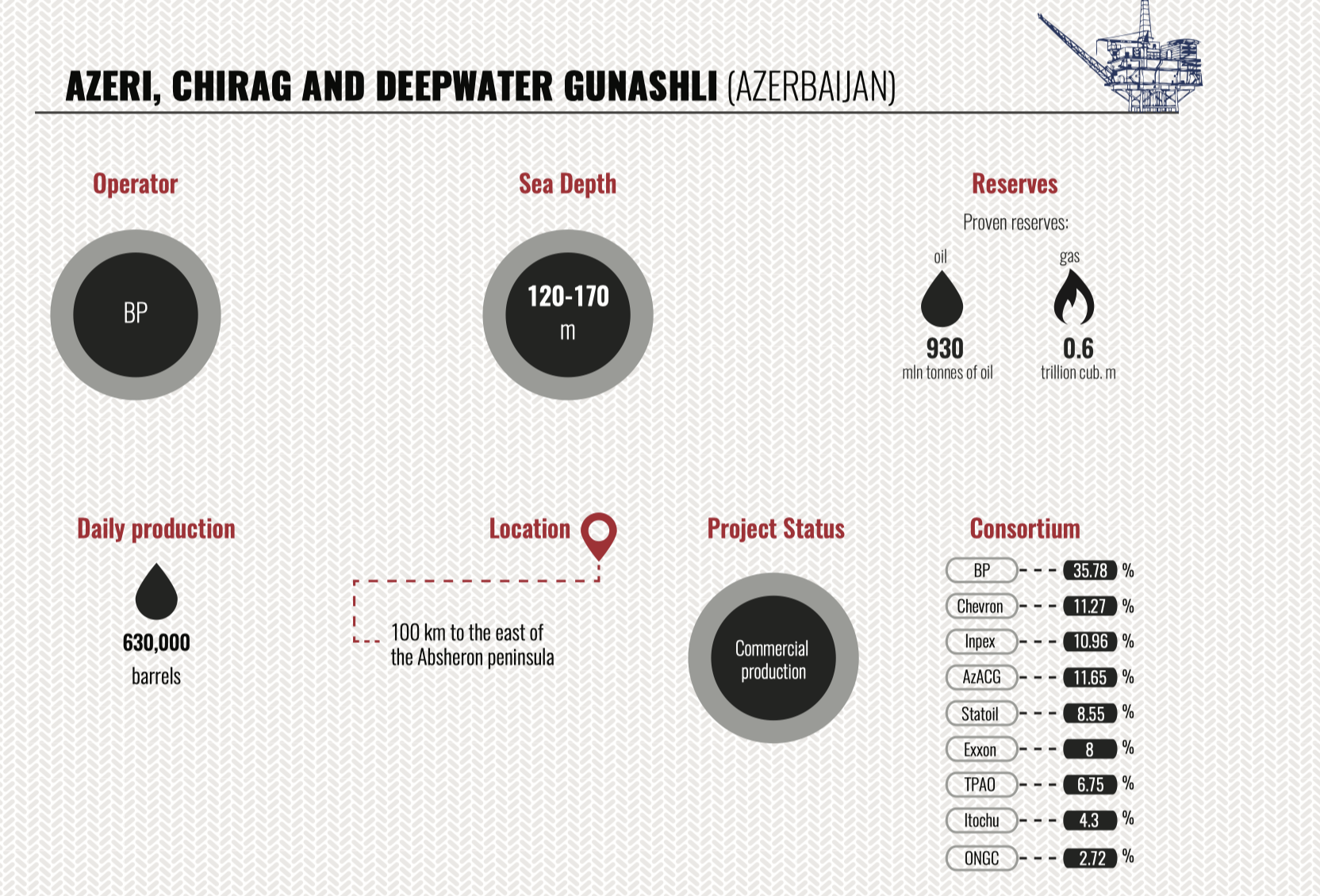
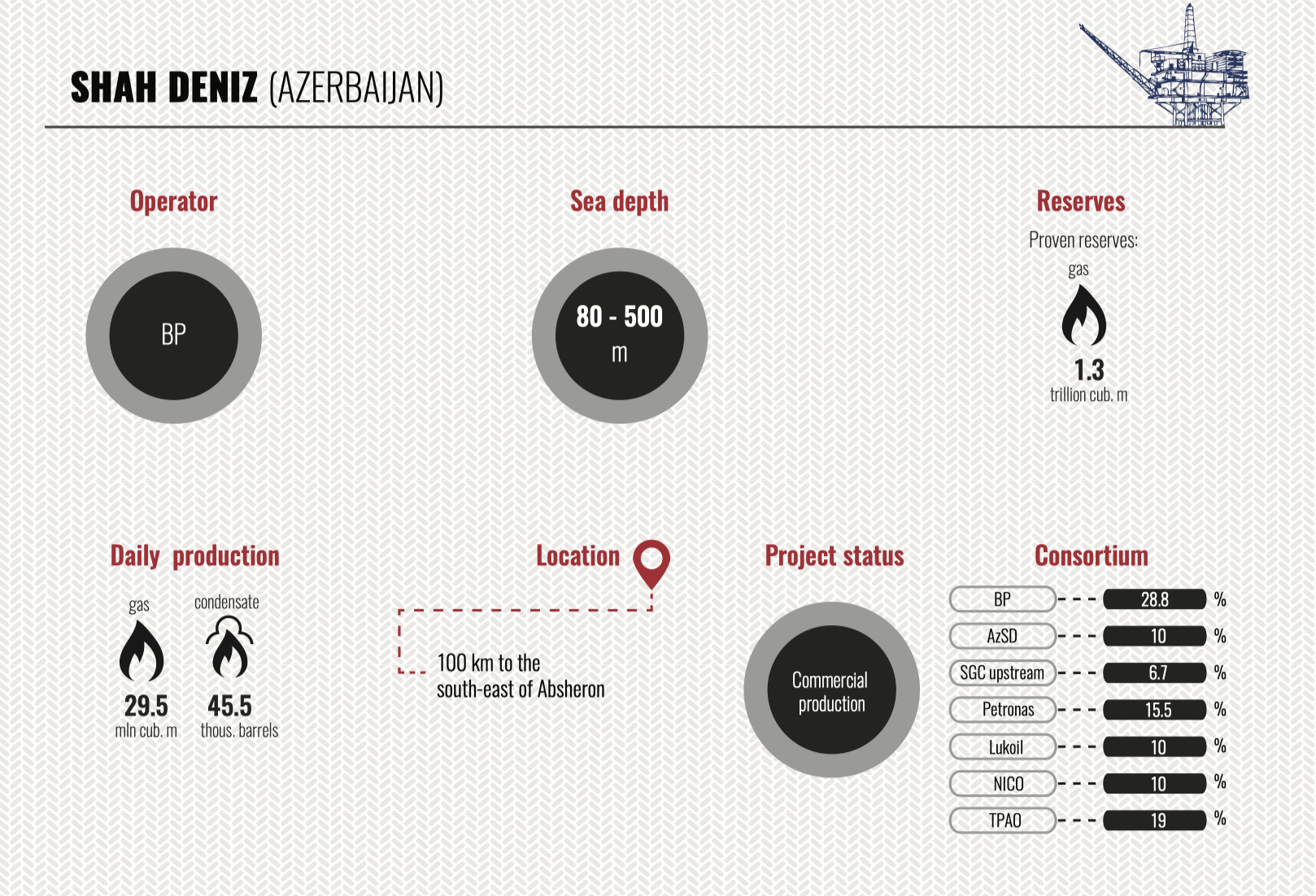
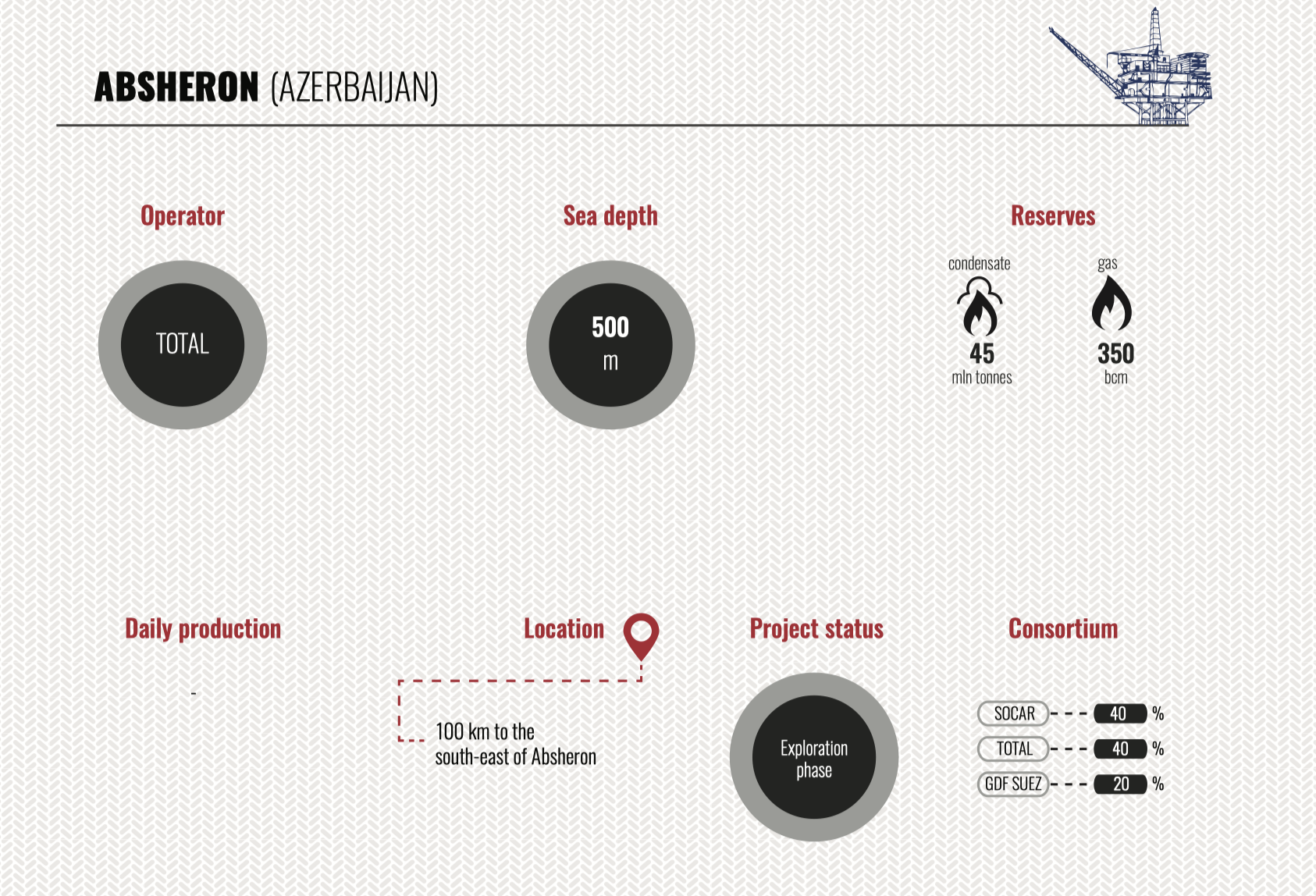
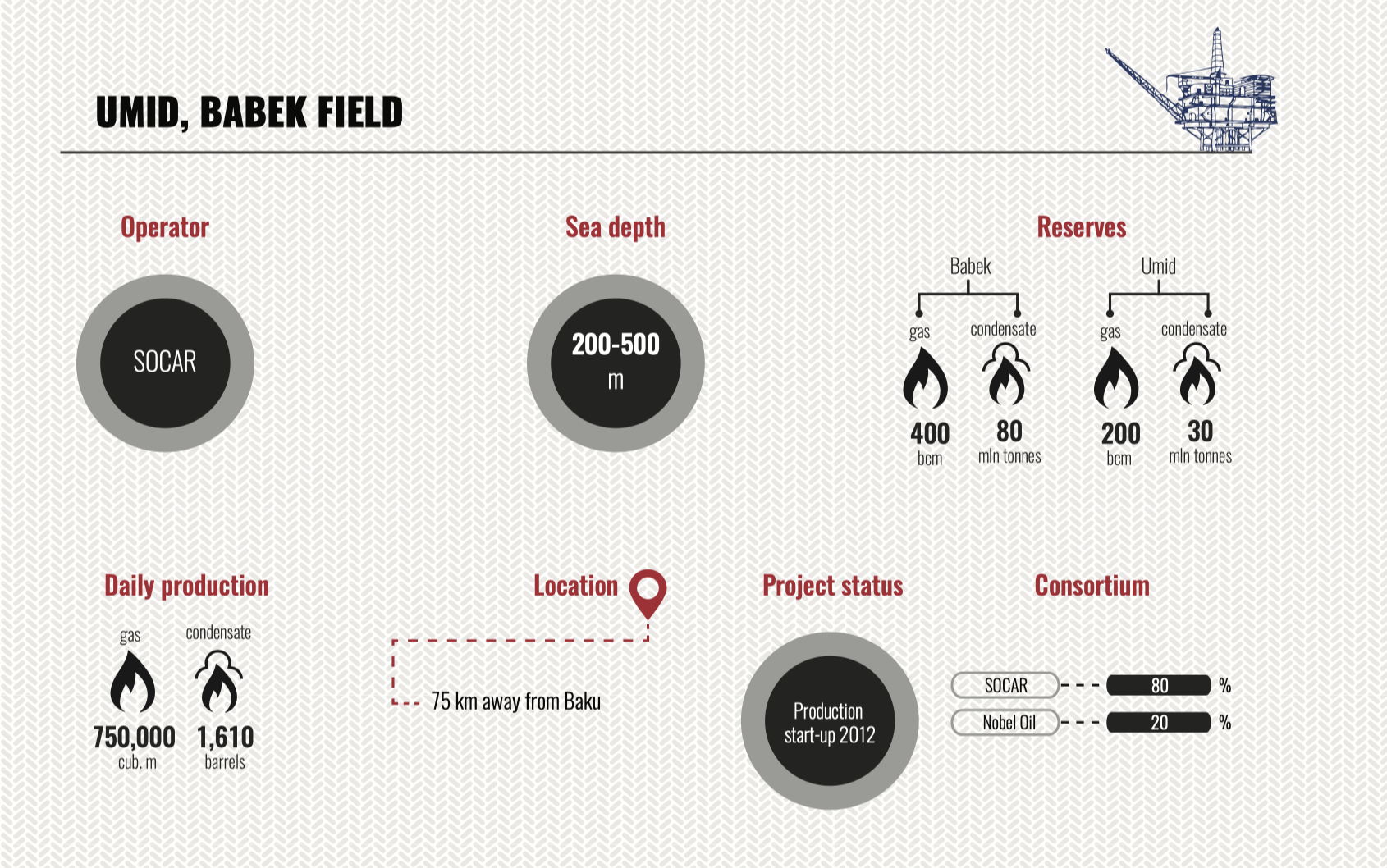
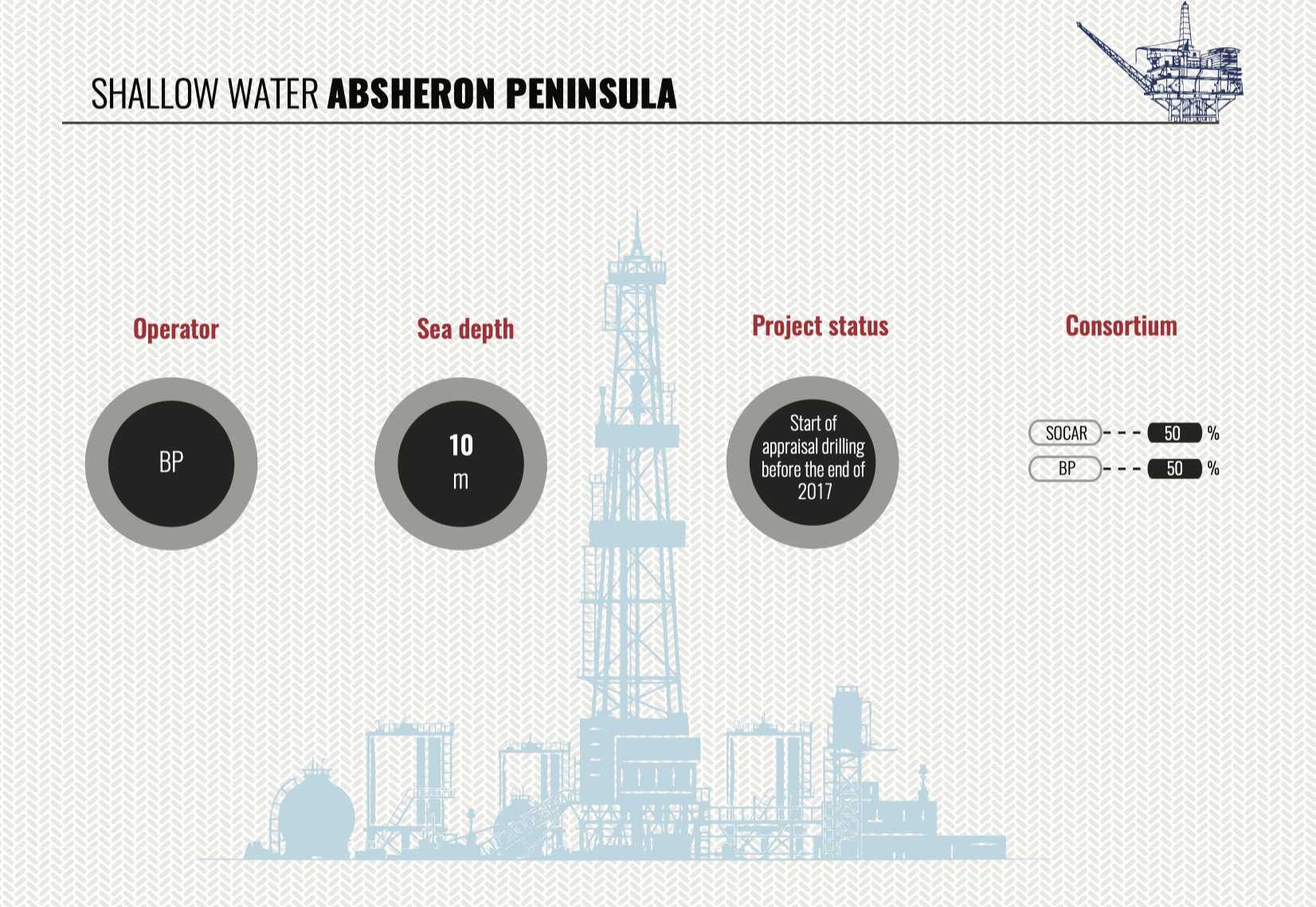
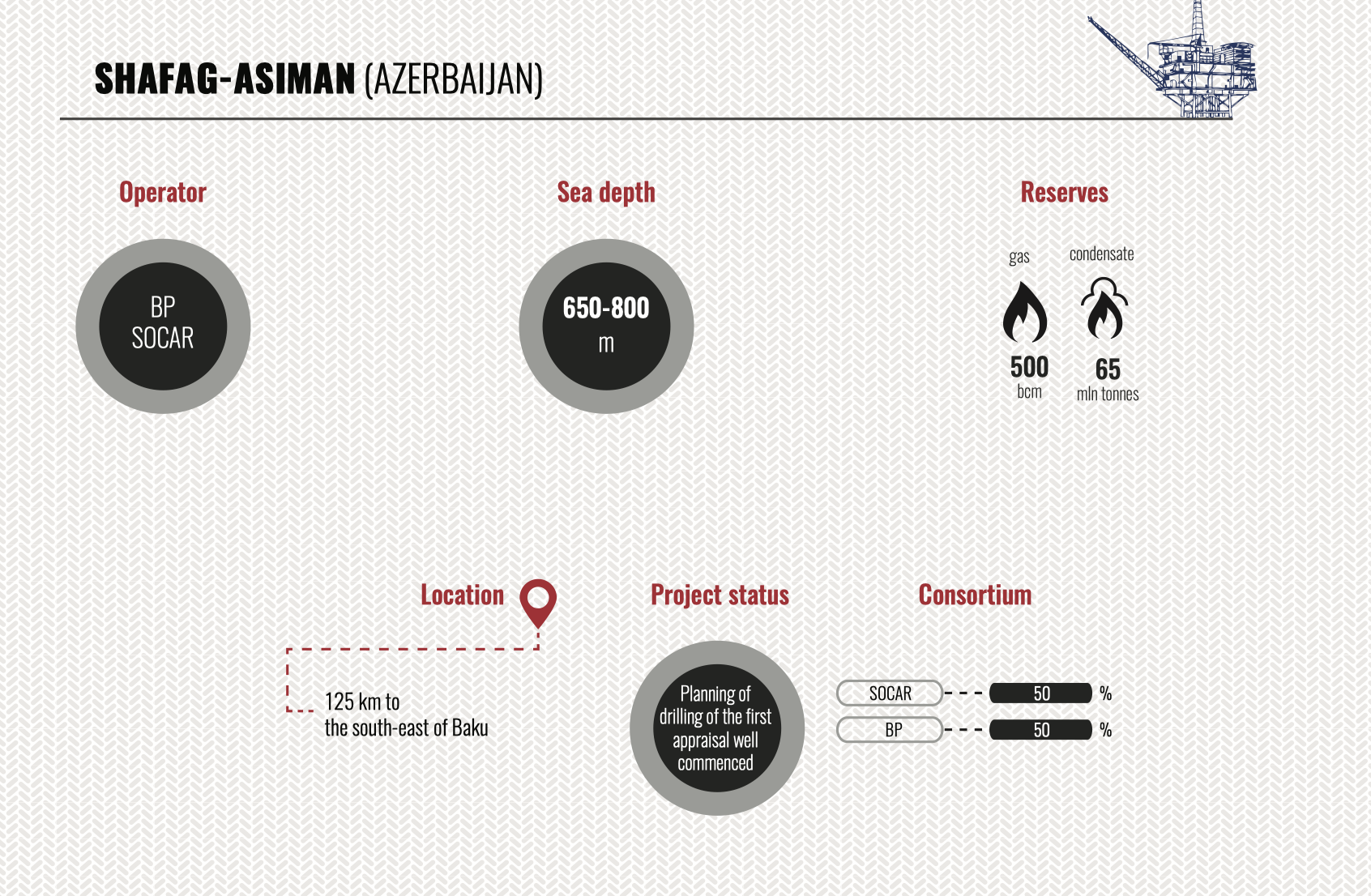
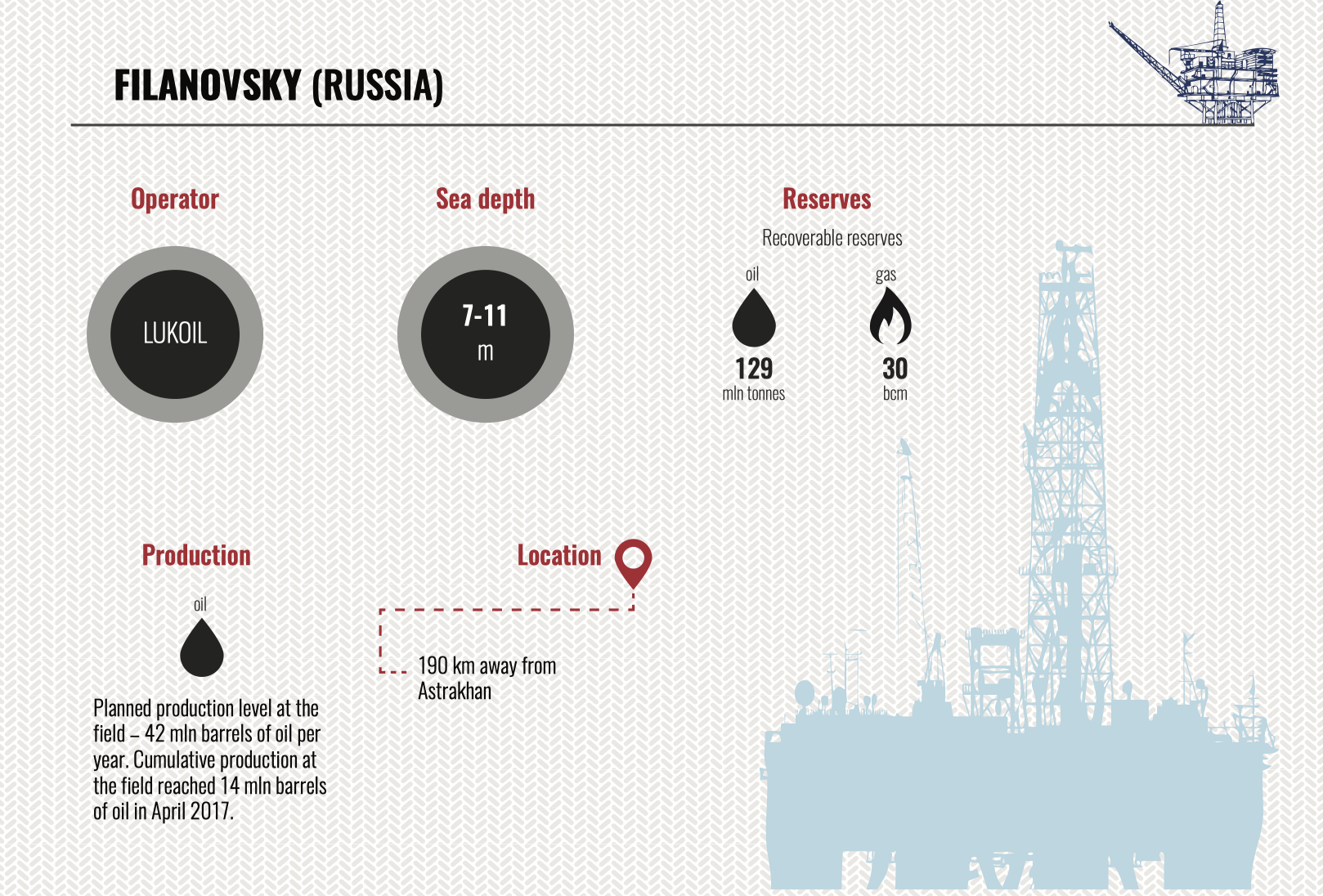
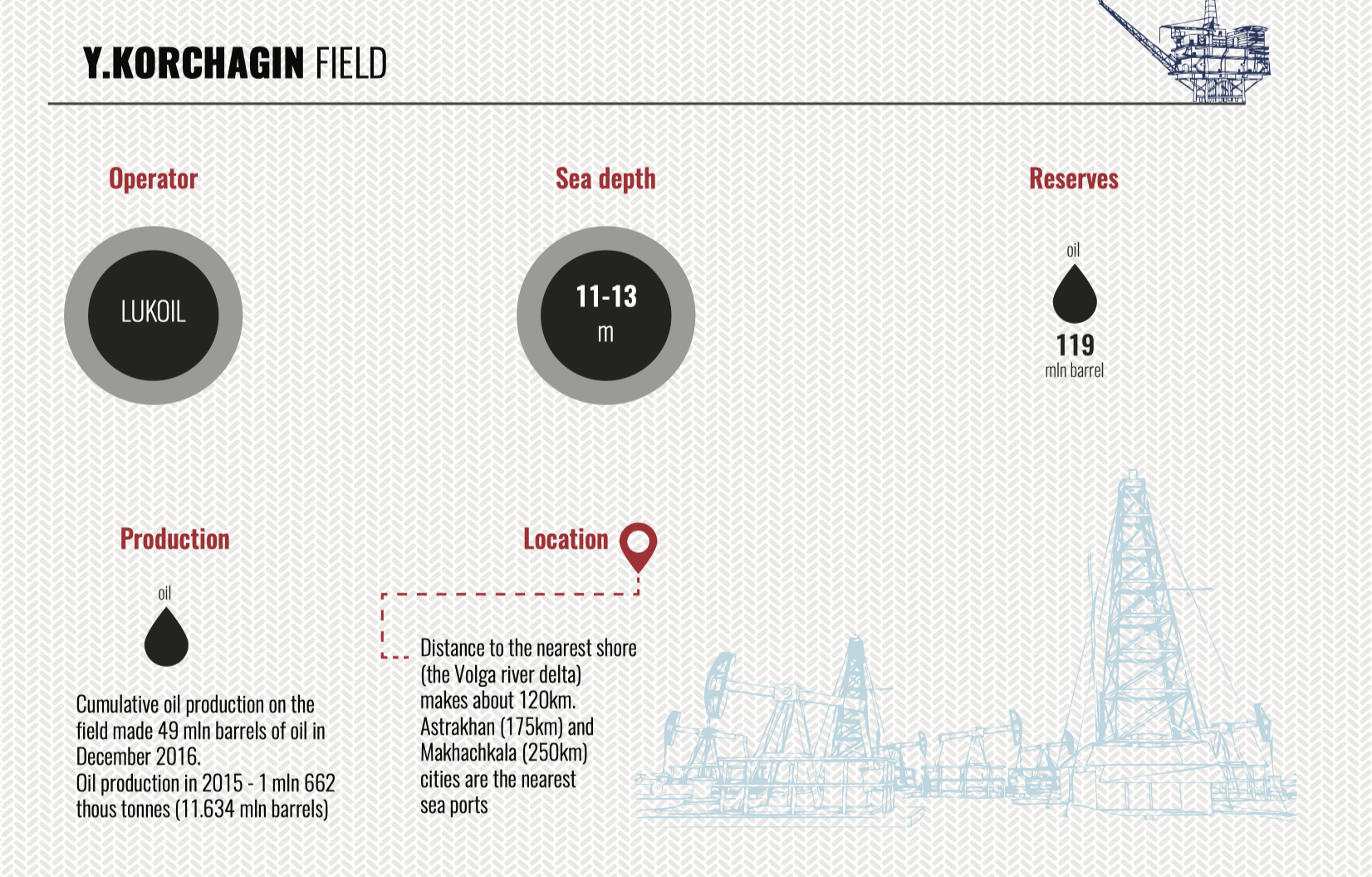
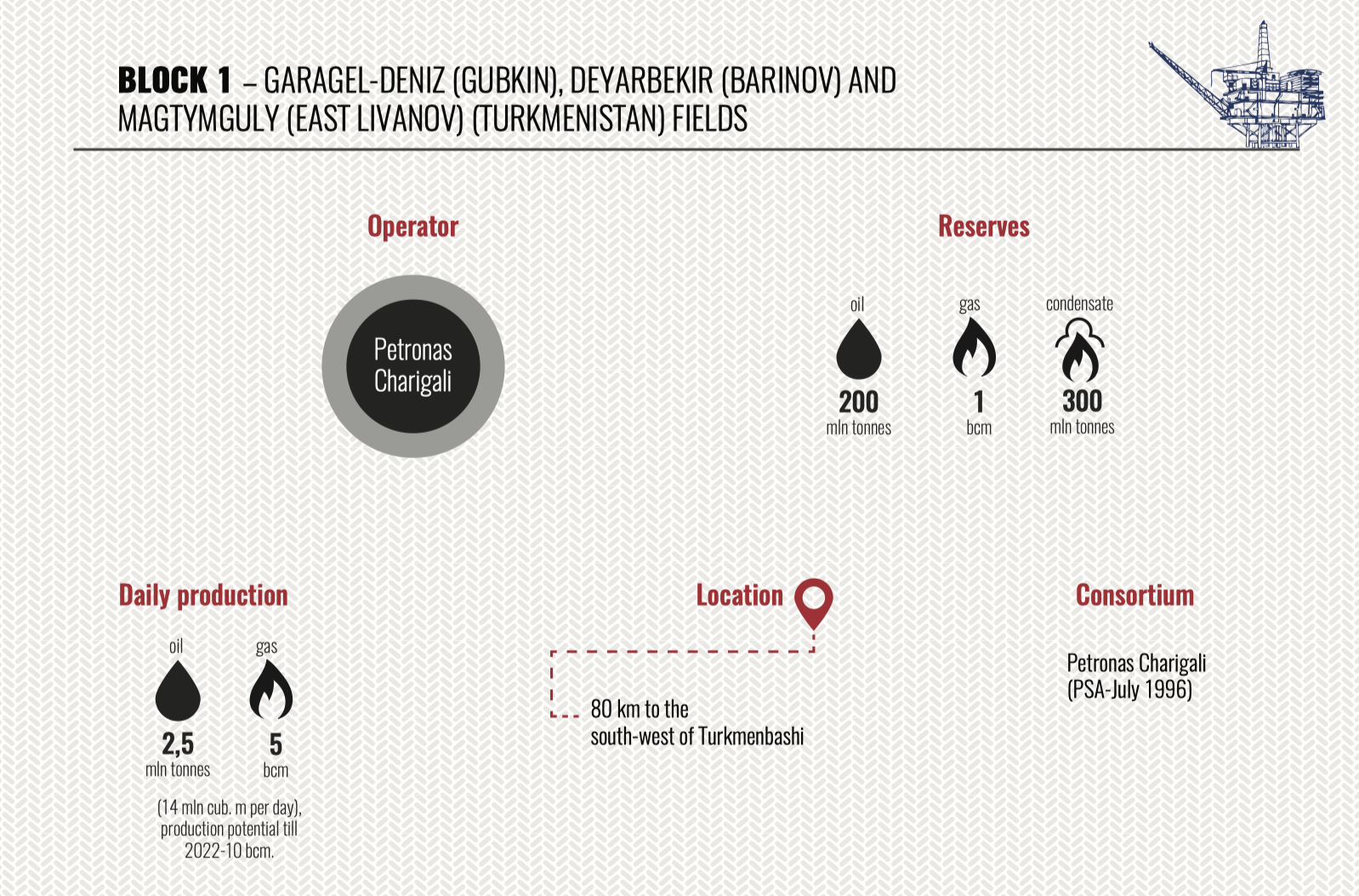
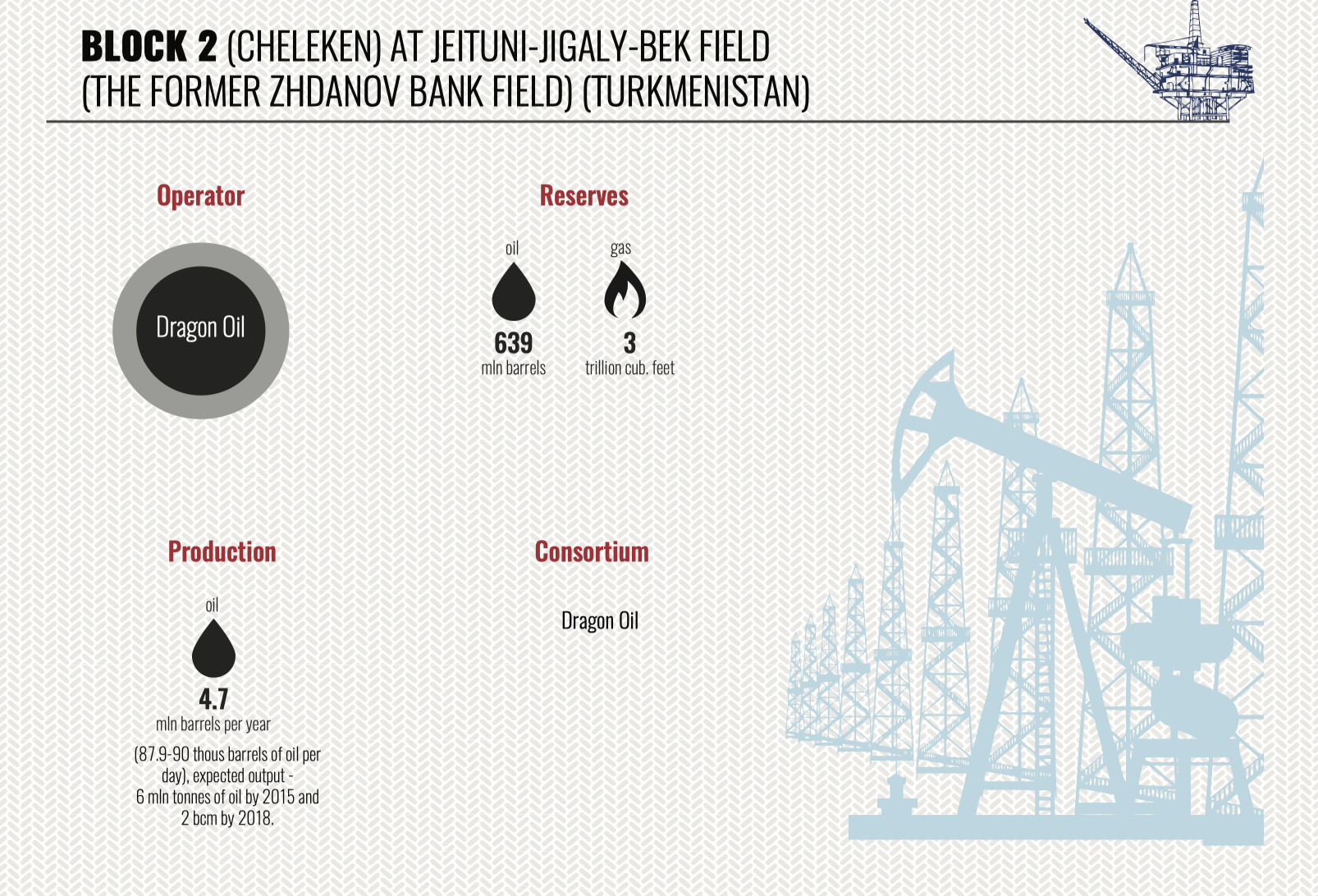
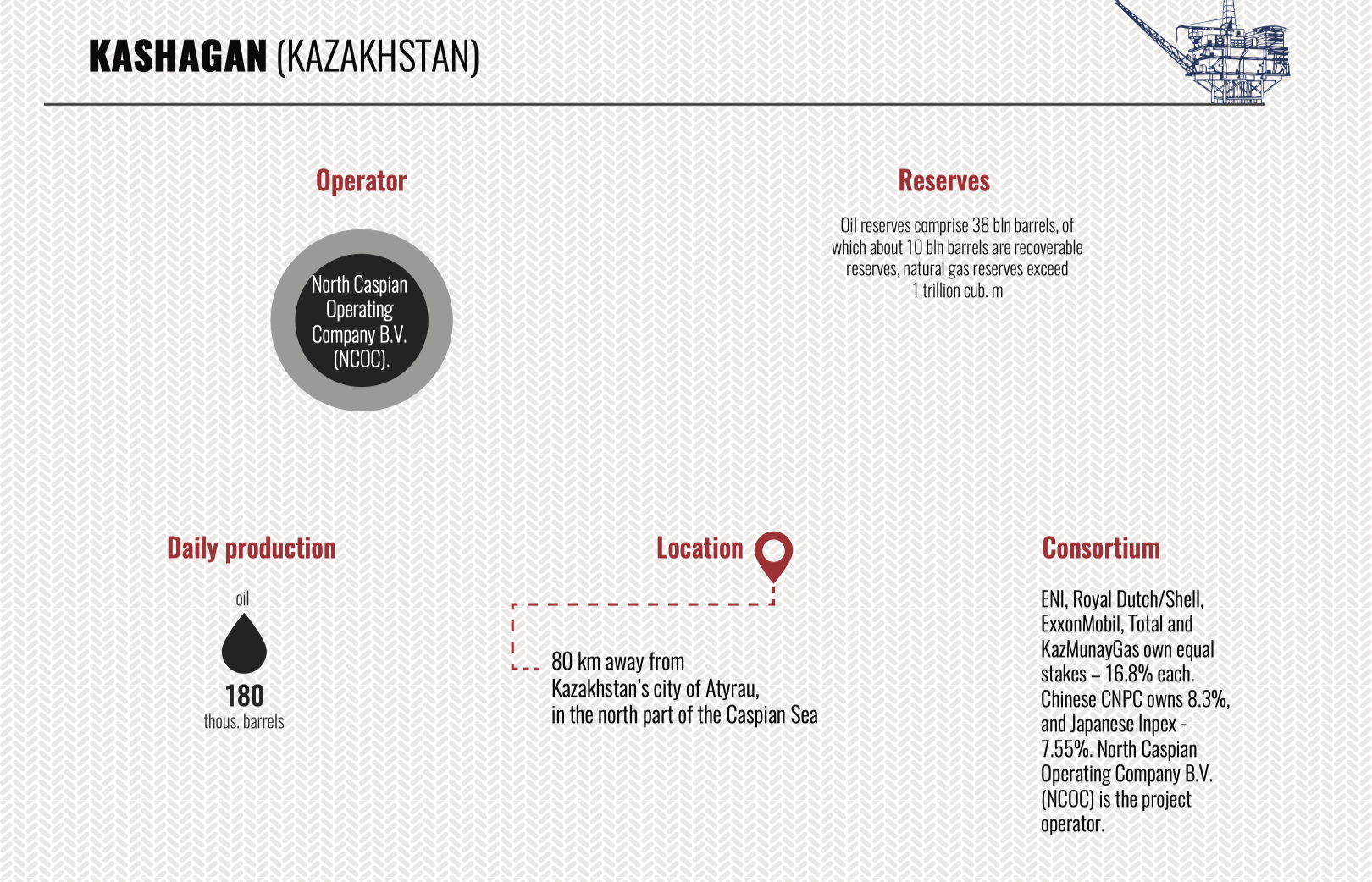
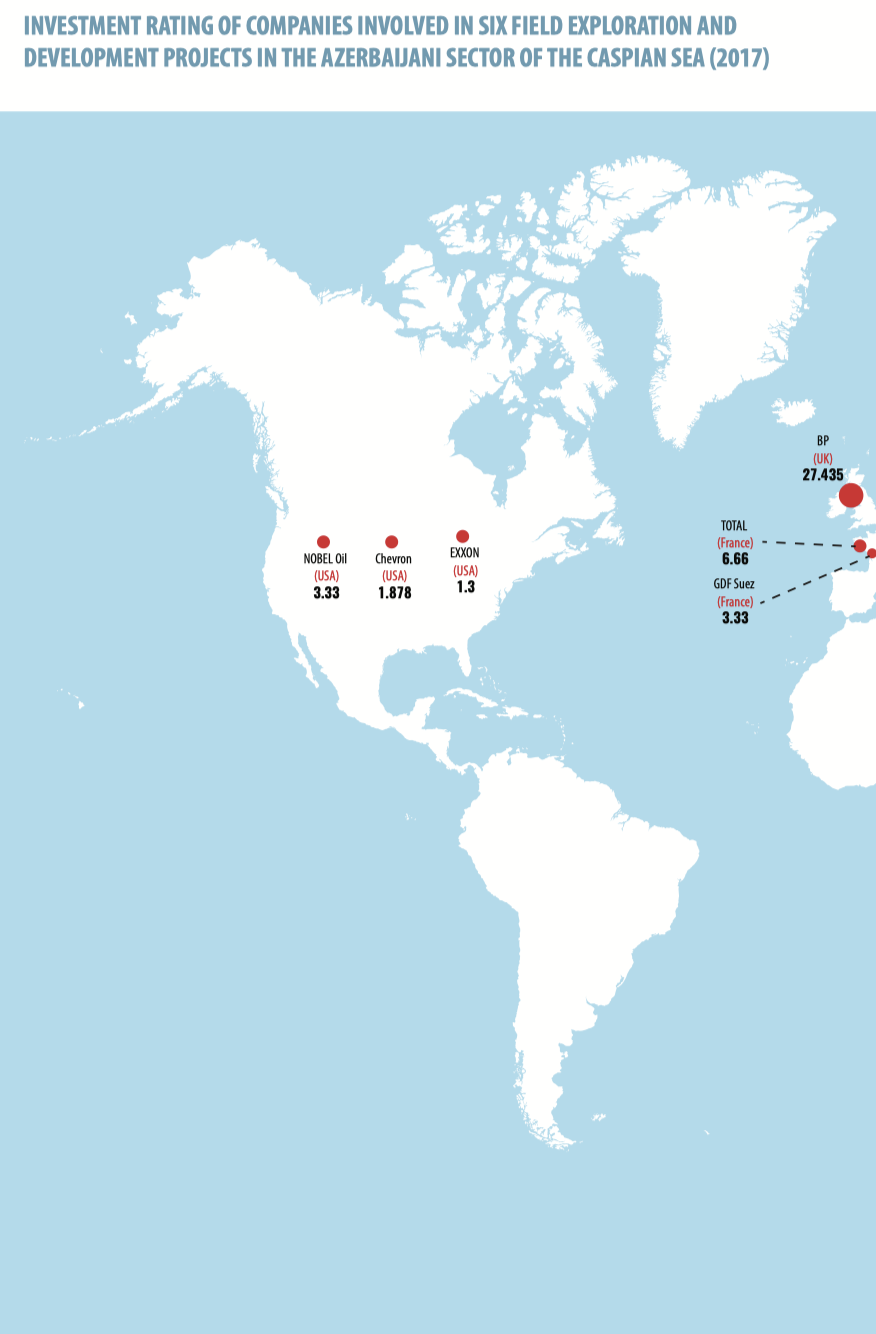
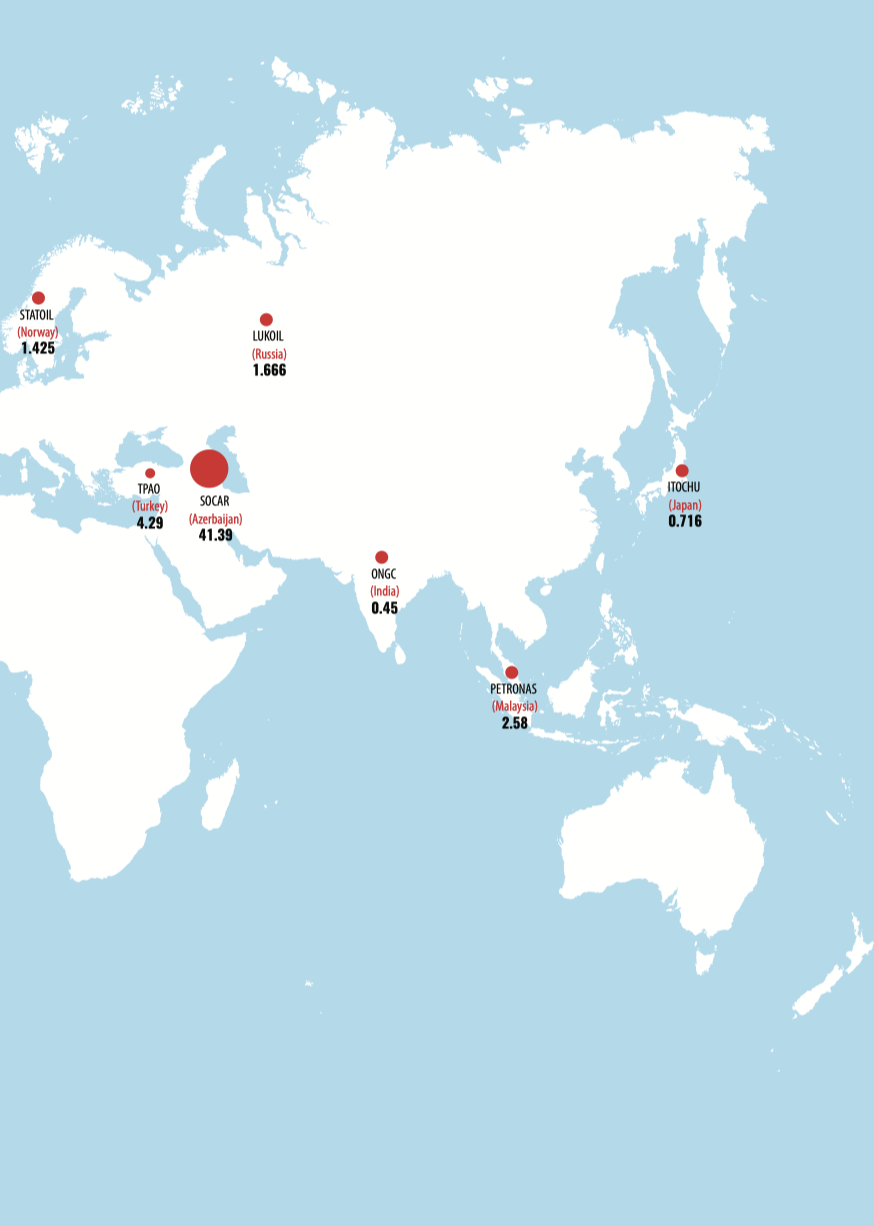
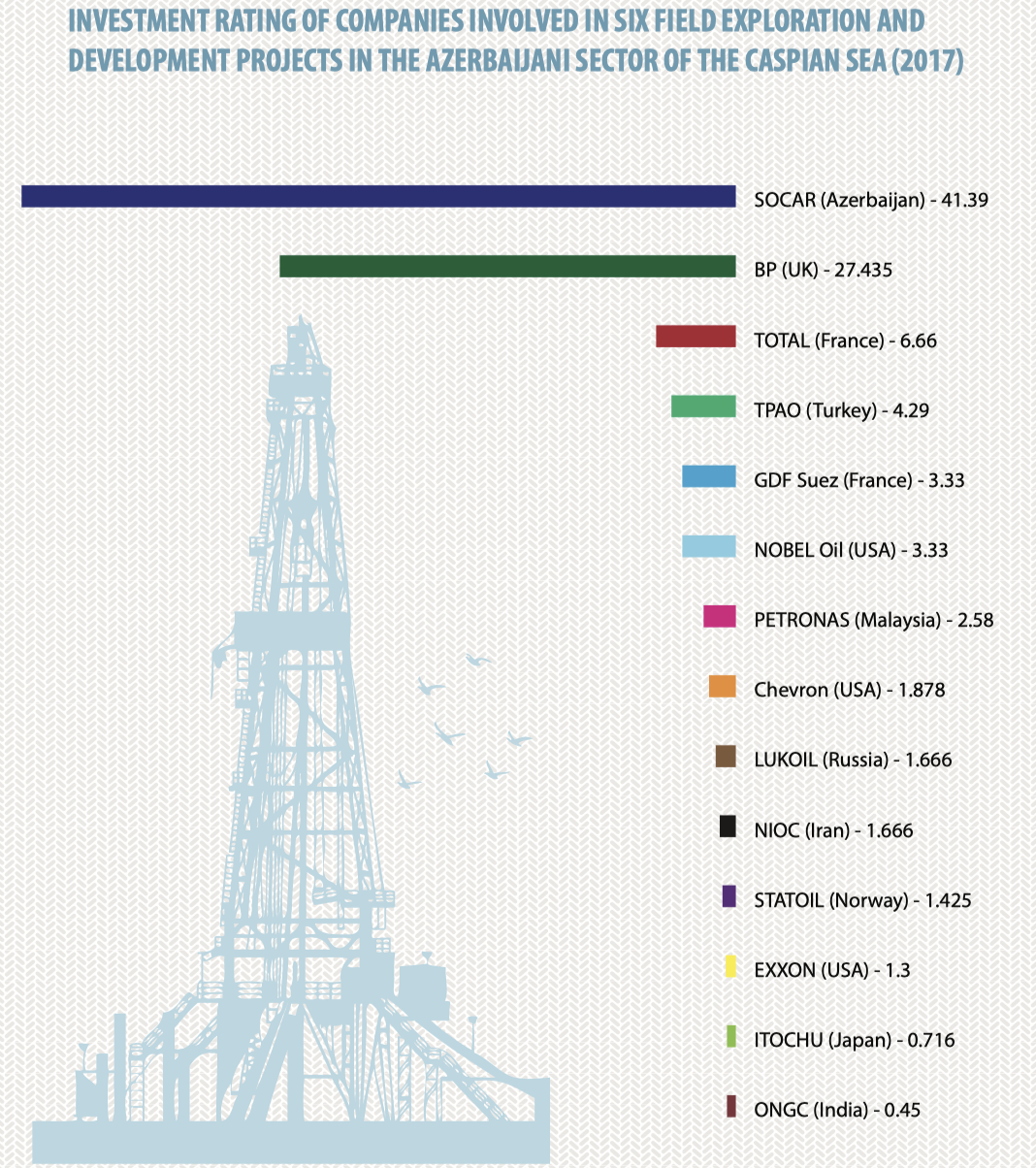
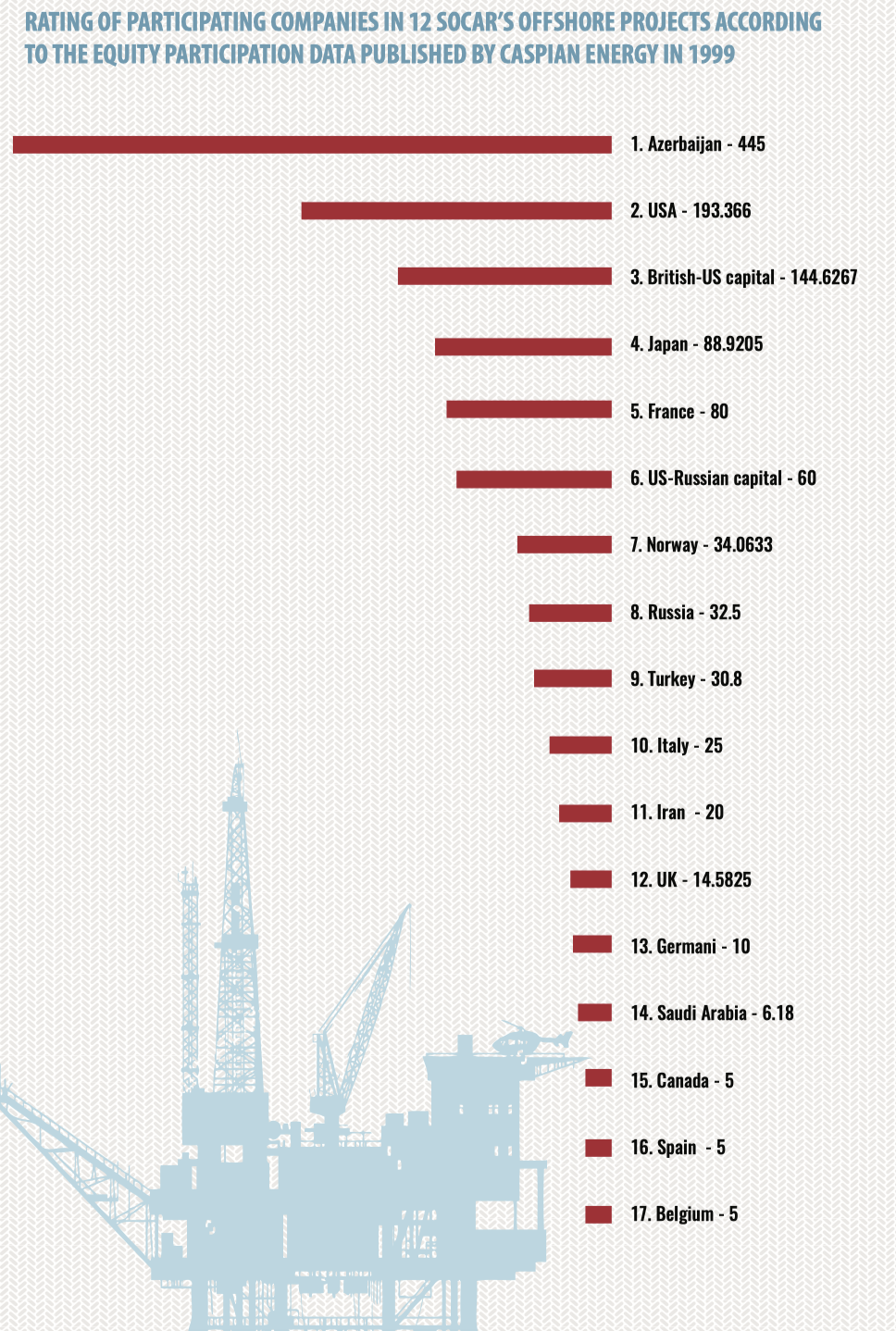
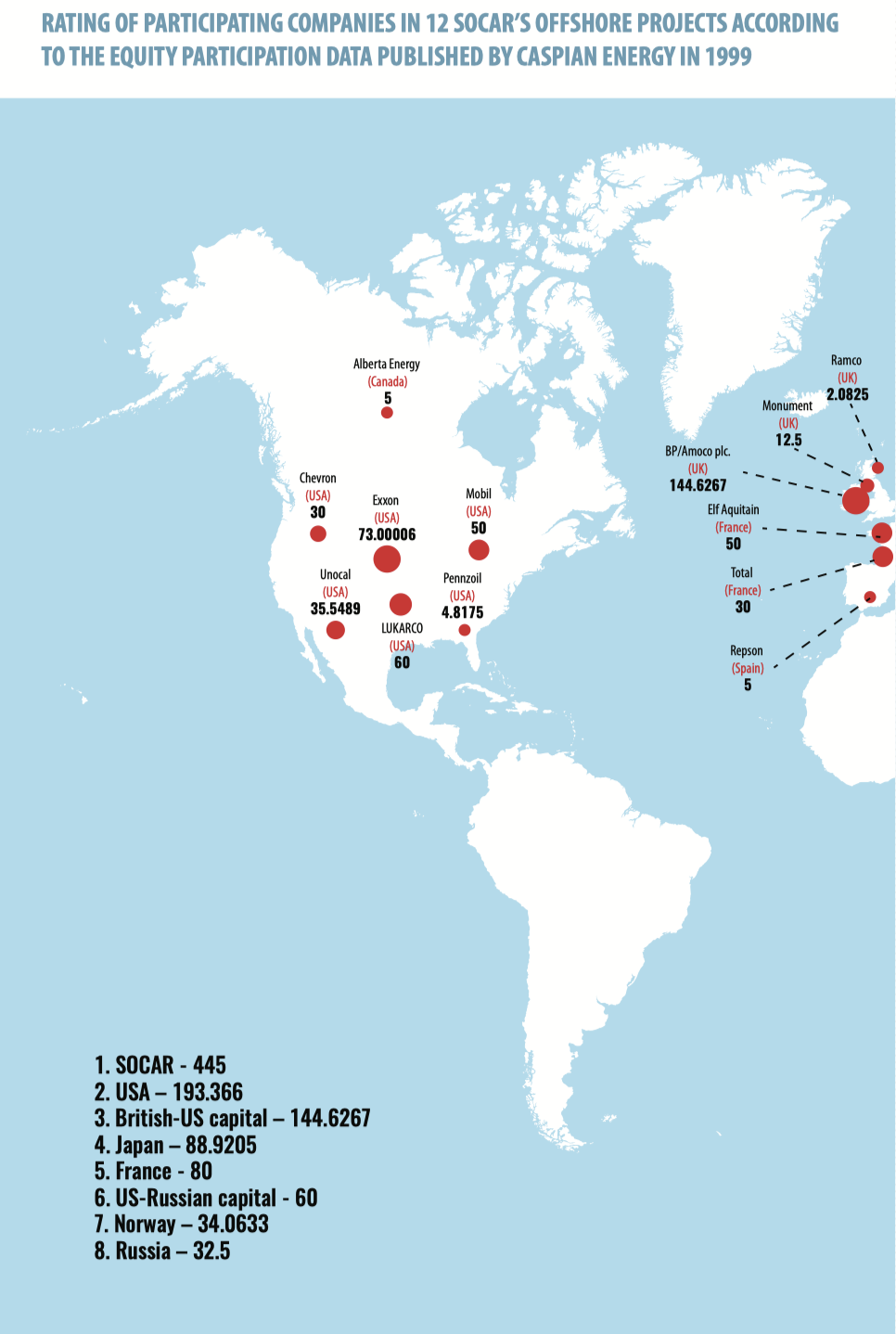
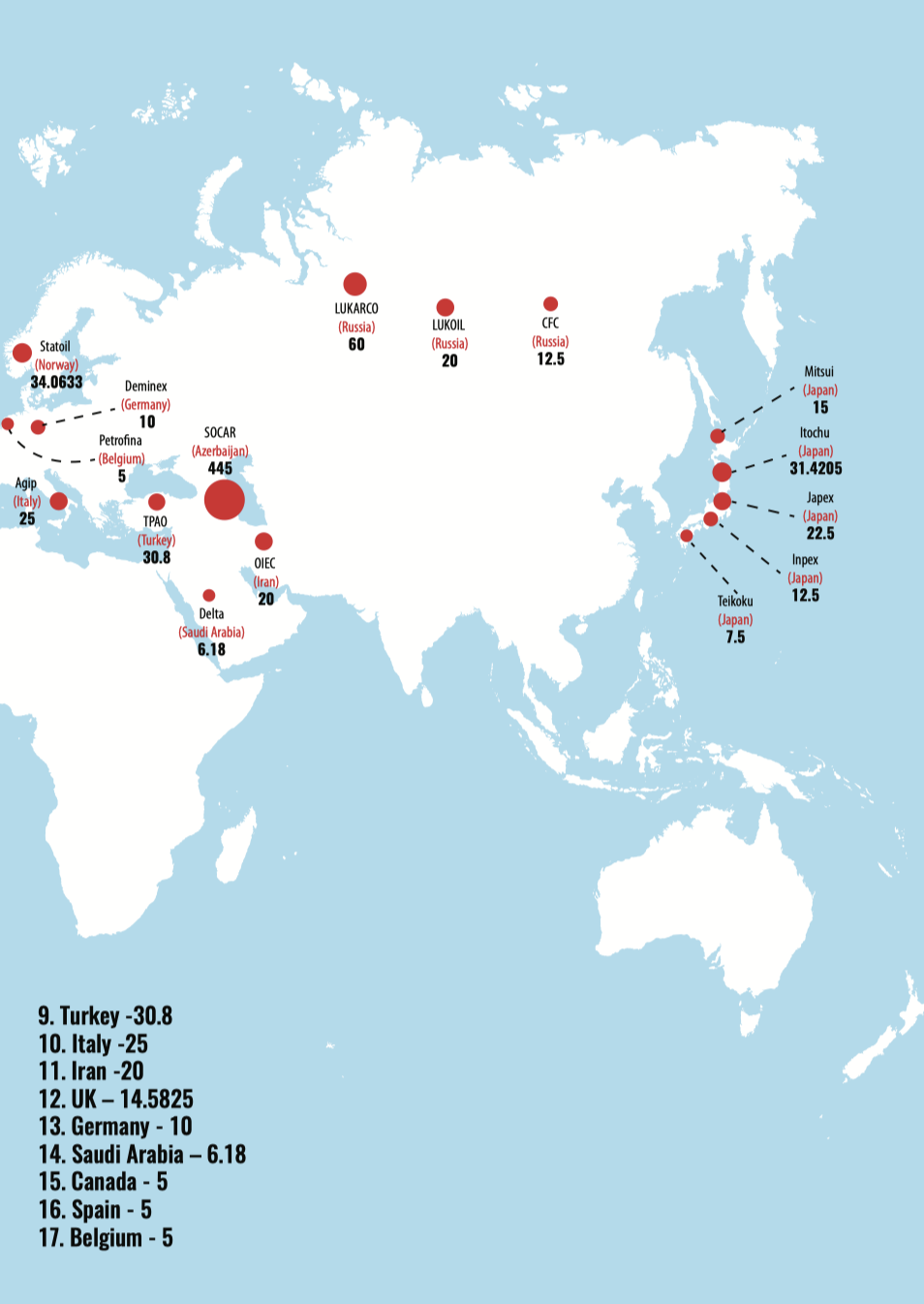
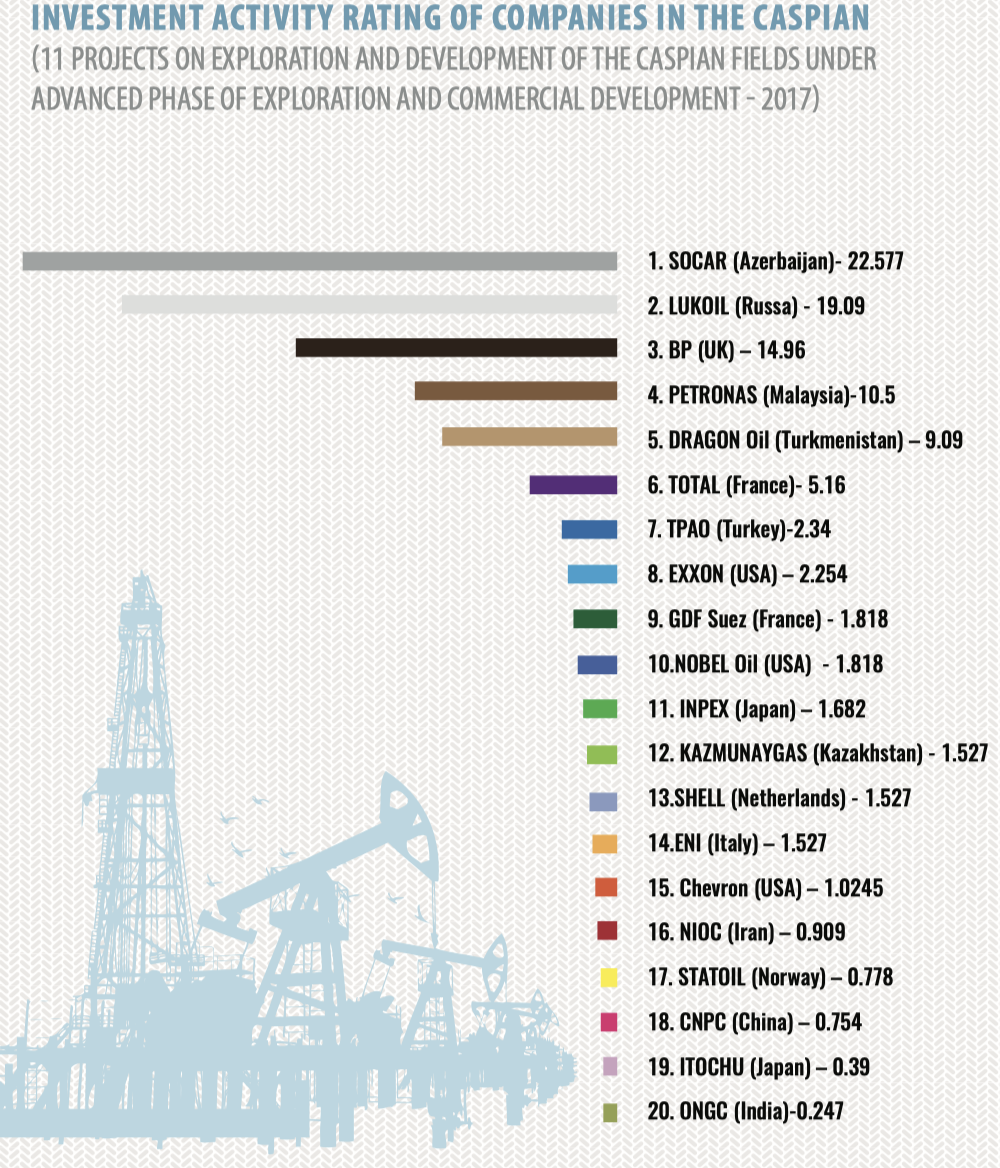
As it is seen from the rating, Azerbaijan National Company SOCAR firmly holds the first position in the investment activity rating both within its national sector of the Caspian Sea and across the entire Caspian space. It points to the importance of the Caspian fields for the economy of Azerbaijan, as well as to high geological certainty compared to sectors of other Caspian countries and the interest that foreign investors keep showing in upstream projects.
Russian holding LUKOIL, which occupied the second place in the rating, is carrying out broad activity in the Caspian mainly in the Russian sector, boosting oil production. Besides, the Russian company also owns a 10% stake in Shah Deniz development. Despite the creation of a number of joint ventures, noteworthy is the low level of cooperation between the companies of the Caspian states because every Caspian state sets the rate of upstream operations in accordance with the national priorities, export policy, tax and legal base, as well as the role of Caspian energy resources in GDP of Caspian states.
This year marks 115th anniversary of the development of the oldest offshore field Pirallahi
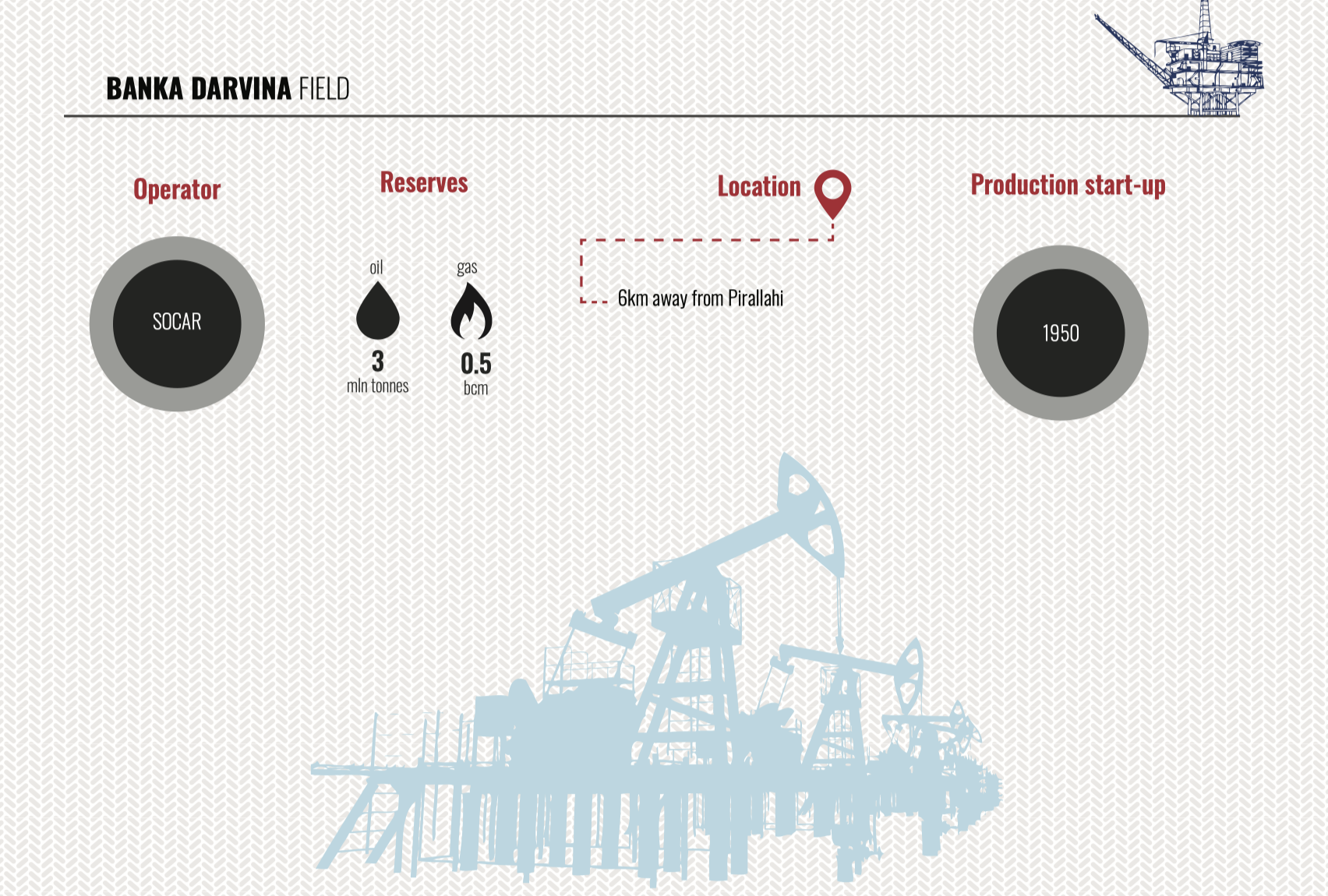
As it is known, old fields of the Azeri sector or the mature production fields are of great value in the fuel-energy balance of the country and the data about their reserves is confident. Therefore, the data of reserves of the late 90s is used as a basis and we put it into the rating according to available production data. The rating of old fields is not so relevant today, as their falling production will be gradually replaced by new commissioned fields. However, they are still investment-attractive as modern methods of branched drilling, deep formation stimulation and presence of the pipeline infrastructure can substantially lower rehabilitation expenditures. Besides, the deep-water part of many of the old fields still remains undeveloped because development has so far been carried at low and average depths due to the lack of technologies, which also makes these fields more investment-attractive. As it was mentioned above, today it has been 115 years since the development of the oldest fields in the sea – at Pirallahi Island. There is no precedent for this in the global history of upstream operations. It is a further proof of the high resource potential of the Caspian Sea, which has not been fully studied yet.
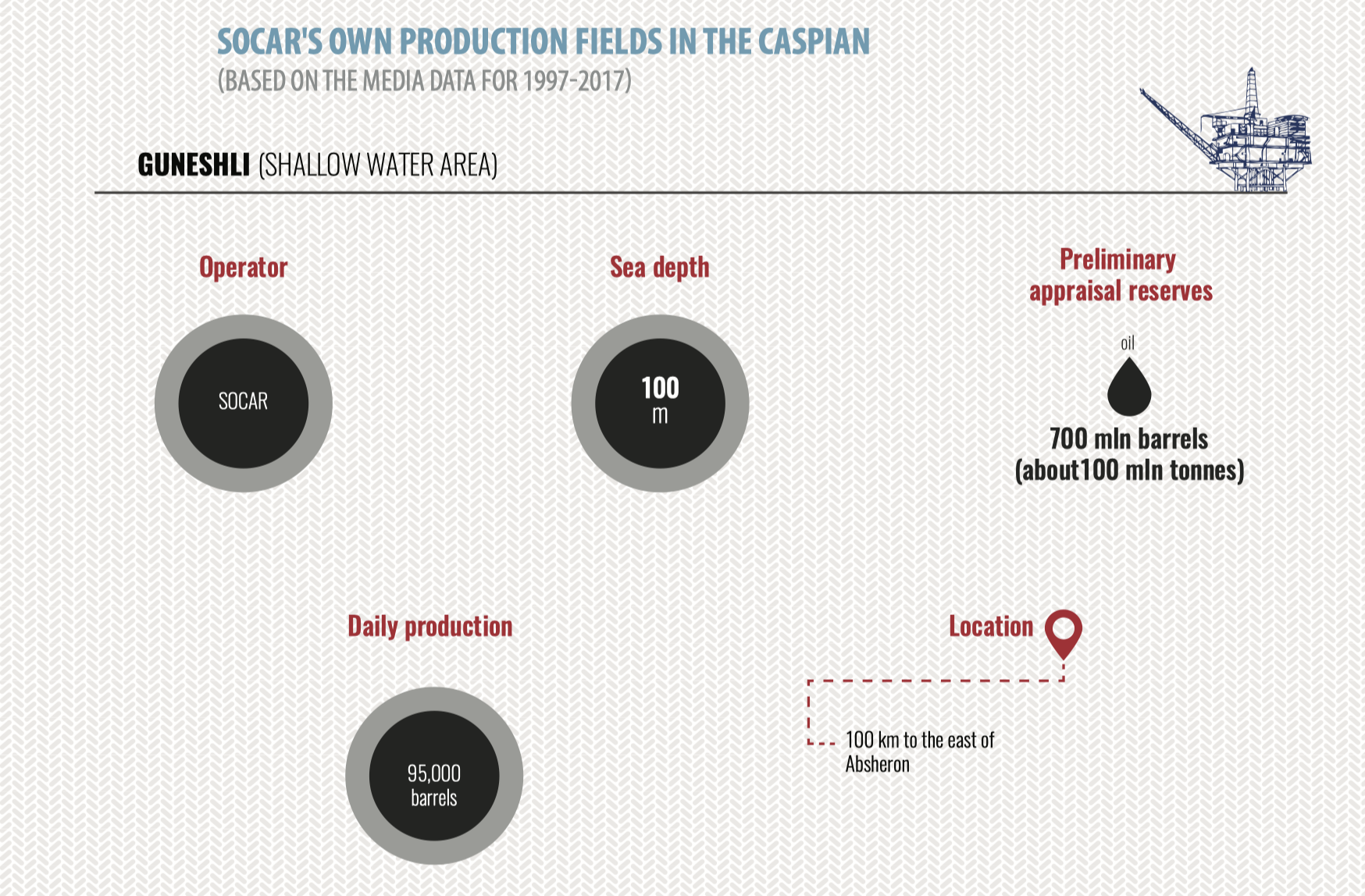
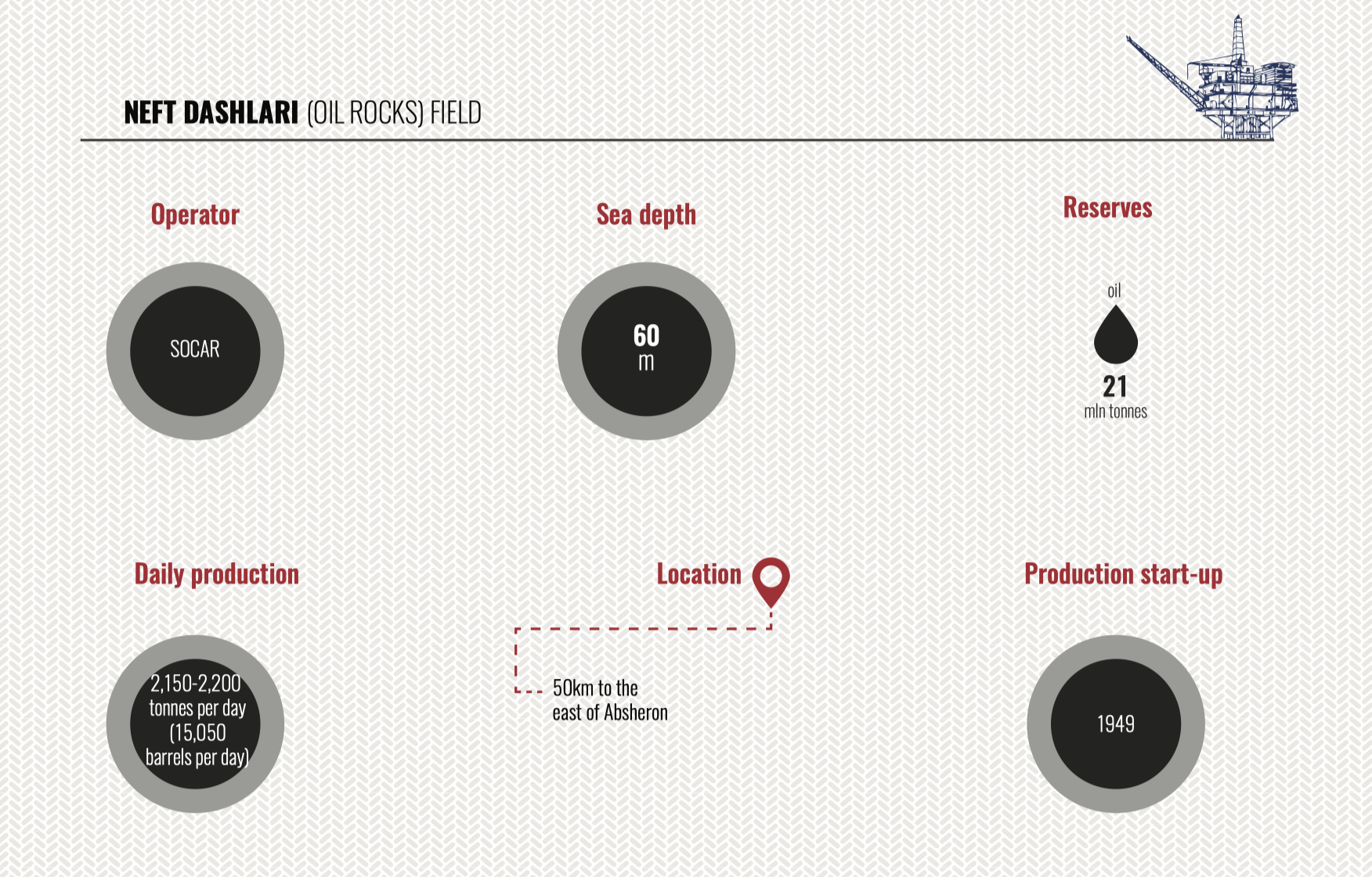
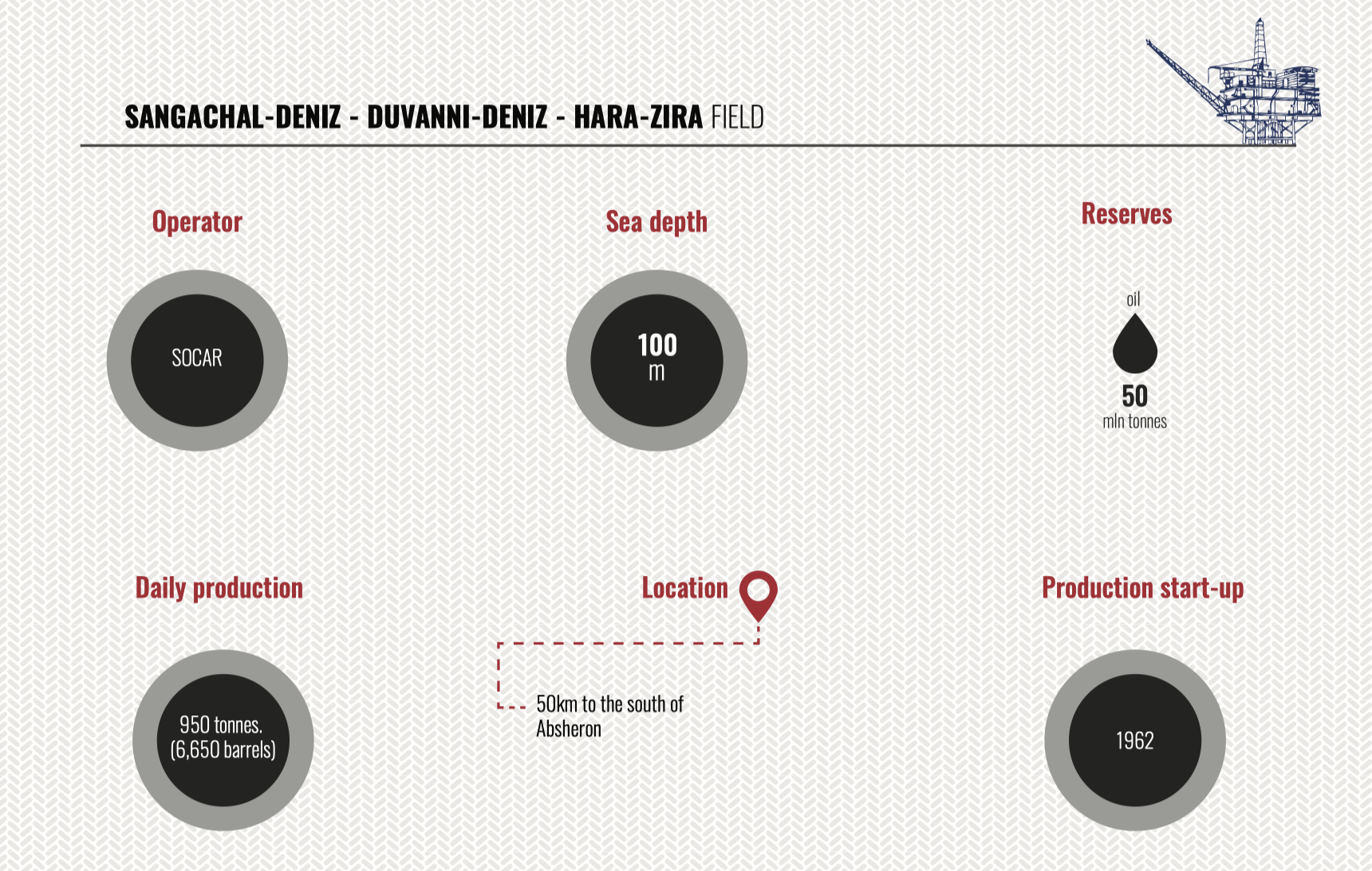
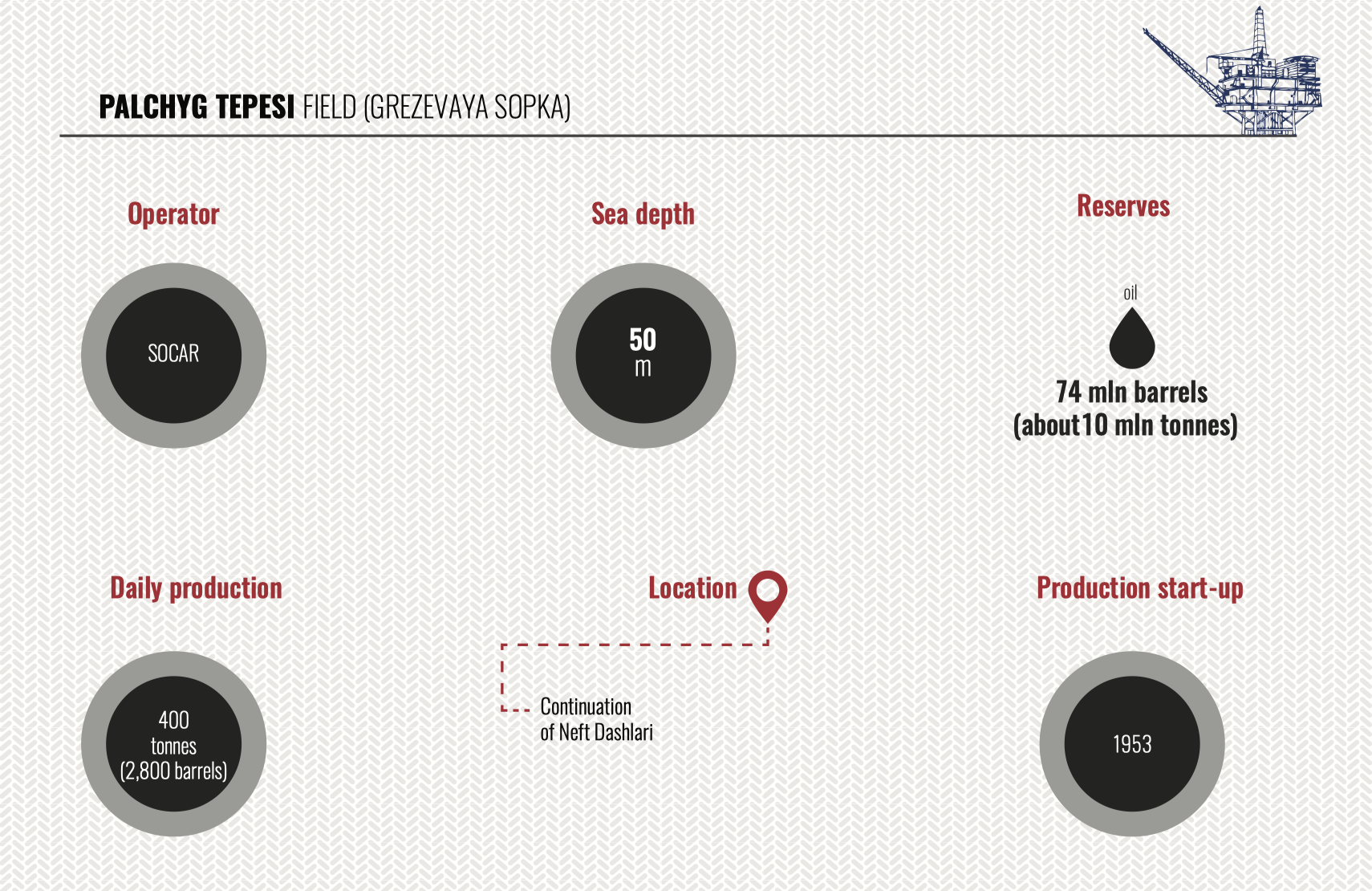
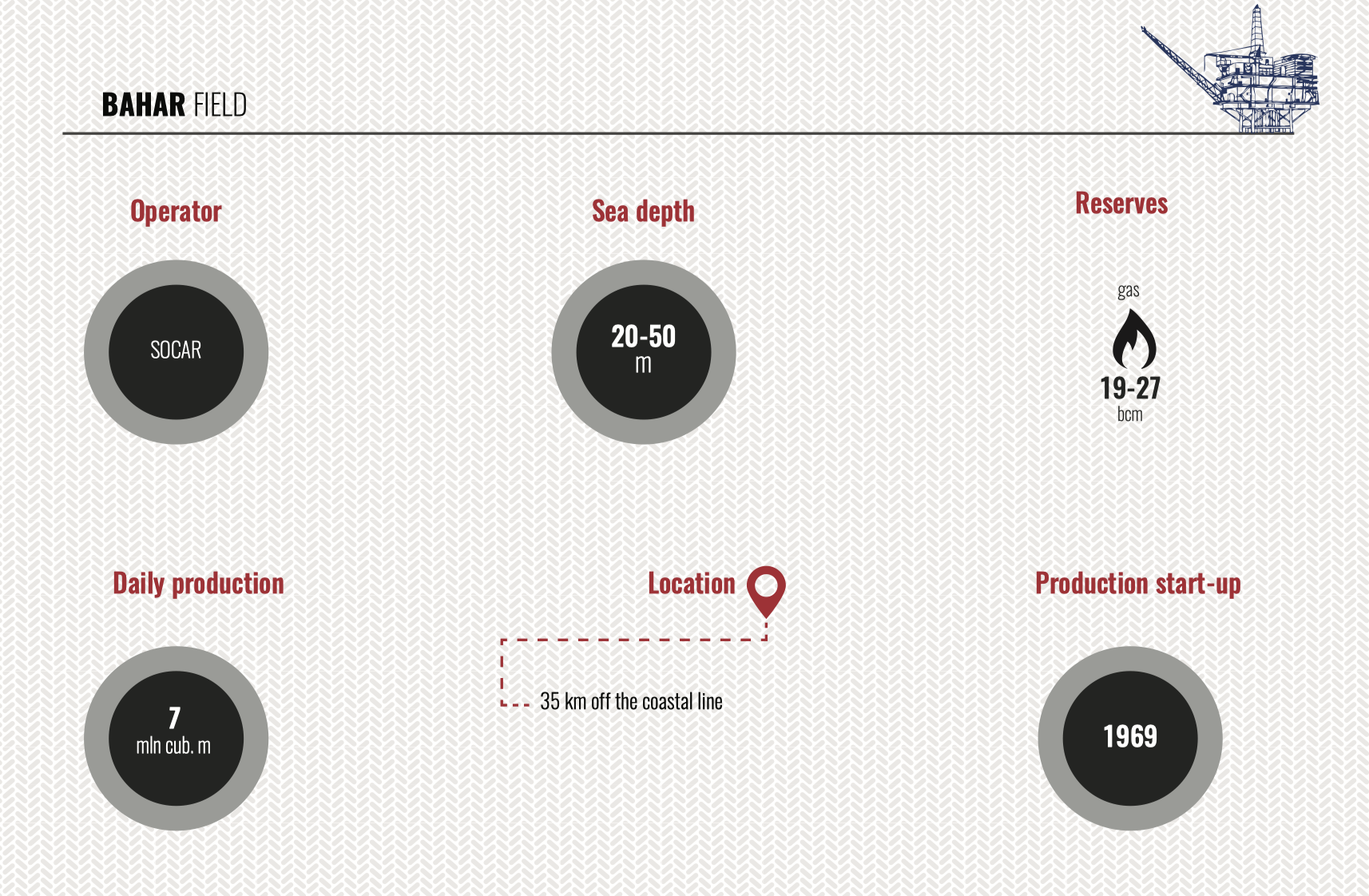
Besides, SOCAR produced 7.5 mln tonnes of oil and 6.3bcm at the expense of its own resources. In 2015 these figures totaled 8.16mln tonnes of oil and 6.871 bcm respectively. In addition to the above, 9.022 mln tonnes of oil and 5.964 bcm of gas were produced in the republic in 1997. Maximum oil production in the Caspian reaching 12.9mln tonnes was fixed in 1970 while gas production totaled 14.1bcm in 1982. Development of large oil fields located at shallow areas was launched by that time.
Today further decline of oil production is forecasted in 2017 as well. Production decline in the range of 35-42 thou barrels per day was put into the oil production forecast for 2017 prepared by the Ministry of Energy of Azerbaijan. Thus, the government of Azerbaijan predicts oil and gas production for 2017 at the rate of 39.8 mln tonnes and 28.4 bcm respectively.
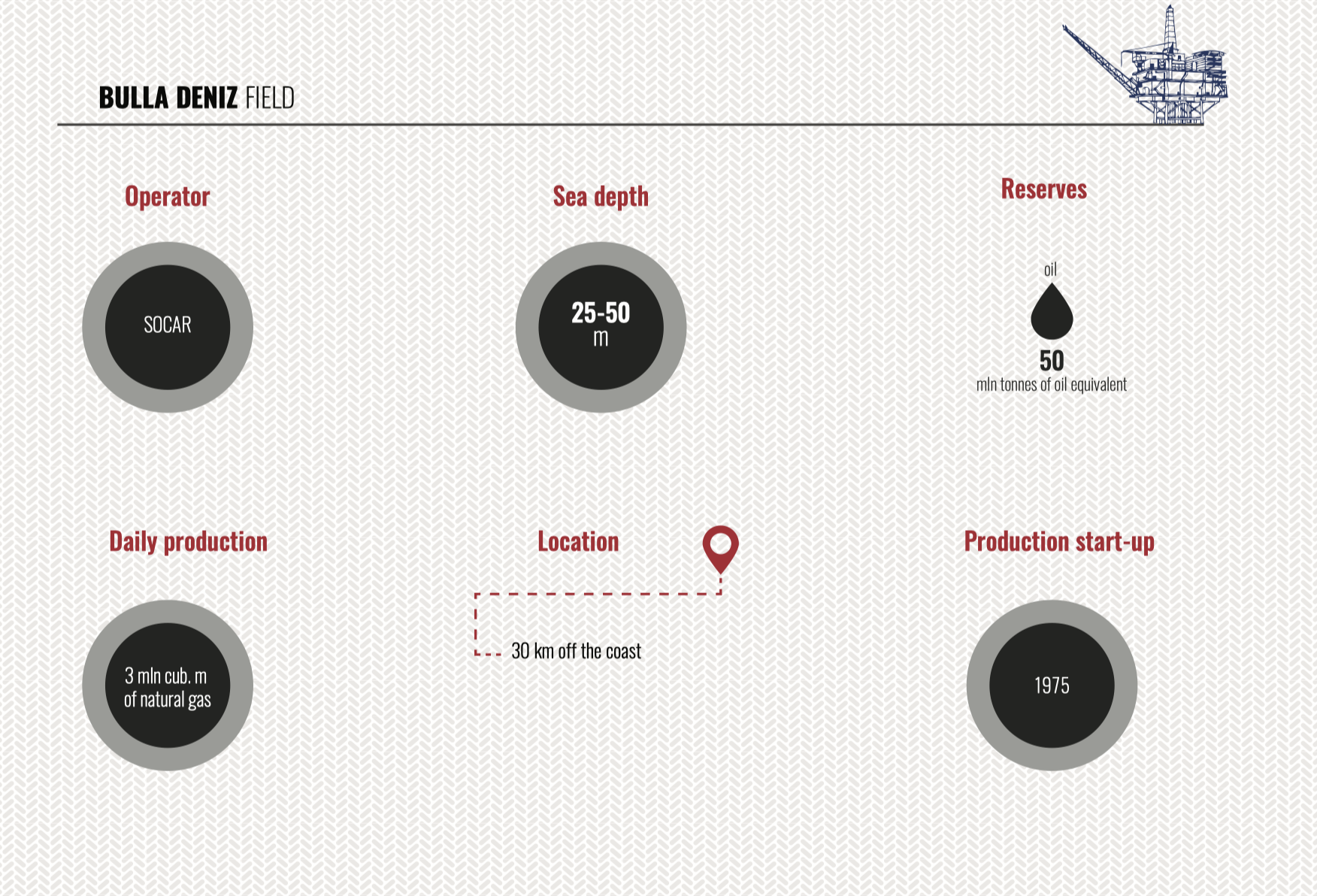
Unavoidable decline of both domestic production and production of foreign companies make the upstream problems more aggravated. It is noteworthy that as early as the end of 90s SOCAR planned to announce a tender to choose a company (or several companies) there were altogether about 30 companies) which would be engaged in rehabilitation of one or several old fields such as Bulla Deniz, Palchig Tepesi, Neft Dashlari, Bahar, basically the fields operated by Narimanov OGPD. There were also negotiations about rehabilitation of production at shallow water area of Guneshli. According to the management of SOCAR, even with the current production rate the reserves of the mentioned fields will get depleted approximately in 30 years.