


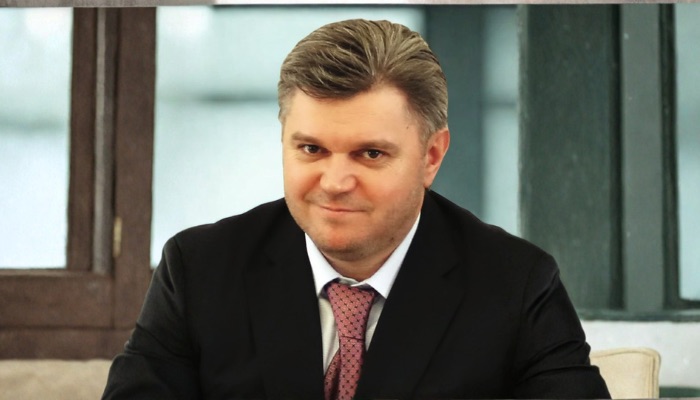
CE: How can you evaluate the current energy security of Ukraine? What does Ukraine mean when mentioning energy security?
Eduard Stavitsky, Minister of Energy and Coal Industry of Ukraine: Ensuring energy security, in particular the timely, complete and uninterrupted supply of fuel and energy resources, material production, non-production sphere, population, household and other consumers, prevention of harmful effects on the environment, transport, transformation and consumption of fuel and energy resources in market conditions, trends and indicators of the global energy market is one of the main activities of the Government of Ukraine.
Energy security of the state is certainly part of national security. Presidential Decree of 12 February 2007 number 105 (as amended Decree of the President of Ukraine dated 8 June 2012 number 389/2012) approved the National Security Strategy of Ukraine (hereinafter called the Strategy) .
The Strategy outlines the threats to energy security, namely:
- Over-dependence on energy imports, unresolved issues of diversification of sources and routes of supply, insufficient use of own energy potential;
- Low efficiency of usage of energy resources, the relatively slow rates in introduction of new technologies;
- Insufficient implementation of energy transit potential and integration of Ukraine into the European market;
- Lack of the consolidated energy balance of the government.
The Strategy identifies major challenges aimed at strengthening energy security :
- More efficient use of energy resources, application of energy-saving technologies, development and use of alternative energy sources;
- Ensuring the security of energy resources supply, in particular through the diversification of sources;
- Creation of conditions for the reliable operation of the national infrastructure of transit and energy supplies both to the domestic and foreign markets;
- Establishment of strategic reserves of fuel and energy resources in line with EU practices and standards of the International Energy Agency;
- Ensuring the formation of the balance of main types of energy sources and consolidated balance of the government and the analysis of their performance, introduction of an effective system of forecasting and strategic planning of the fuel and energy complex development;
- Effective protection of the critical infrastructure of the fuel and energy complex of environmental and technological impacts as well as any malicious acts;
- Modernization of nuclear power plants;
- Reduced dependence on imported energy through the development of extraction (production) of own energy resources.
In 2012, the Ukrainian gas transportation system transported 54.8 billion cubic meters of natural gas to Ukrainian consumers. Transit of gas comprised 84.3 billion cubic meters, including - 81.2 billion cubic meters to European countries (in 2011 the Ukrainian gas transportation system transported 59.3 billion cubic meters of natural gas to Ukrainian consumers, gas transit amounted to 104.2 billion cubic meters, including 101.1 billion cubic meters to European countries) .
Many years of experience in effective operation of the gas transportation system of Ukraine confirms its reliability and technical readiness for the supply of natural gas to consumers in Ukraine and the fulfillment of contractual obligations on the transit of natural gas to Europe.
Note: the supply of natural gas from Russia and its transit to other European countries has been carried out in accordance with the long-term sale and purchase contract between the National Joint Stock Company Naftogaz Ukrainy and Gazprom, as well as the Contract on the volume and terms of transit for the period of 2009 - 2019, with respect to additions, signed between the companies.
Pursuant to the provisions of the Joint Declaration dated 23.03.09, by results of the international conference Ukraine - EU to modernize the Ukrainian gas transportation system, Naftogaz Ukrainy commenced a large-scale project of reconstruction and modernization of the Ukrainian GTS, aimed at achieving world-class quality, higher reliability of gas transportation systems reducing their negative impact on the environment.
At the same time, it should be noted that full planning work on the modernization of Ukraine's gas transport system requires long-term guarantee of the exporter (the Russian Federation) and the importer (EU member-states) on the volume of natural gas transited through the territory of Ukraine, as significant investments may be ineffective, if the gas transportation system is not loaded fully during further operation.
In this regard, considering the economic viability and ensuring the balance of interests, the Ukrainian side considers it necessary to address the issue of loading the Ukrainian gas transportation system and modernizing it in a trilateral format: Russia (natural gas supplier) - Ukraine (transit of gas) - European Union (gas consumers) and this should be performed through signing of an appropriate document. This document should include, along with the obligations regarding the supply, transit and purchase volumes of natural gas, a commitment to investing the modernization and reconstruction of the Ukrainian GTS.
Please login or subscribe to read the full article.
Login / Subscribe